
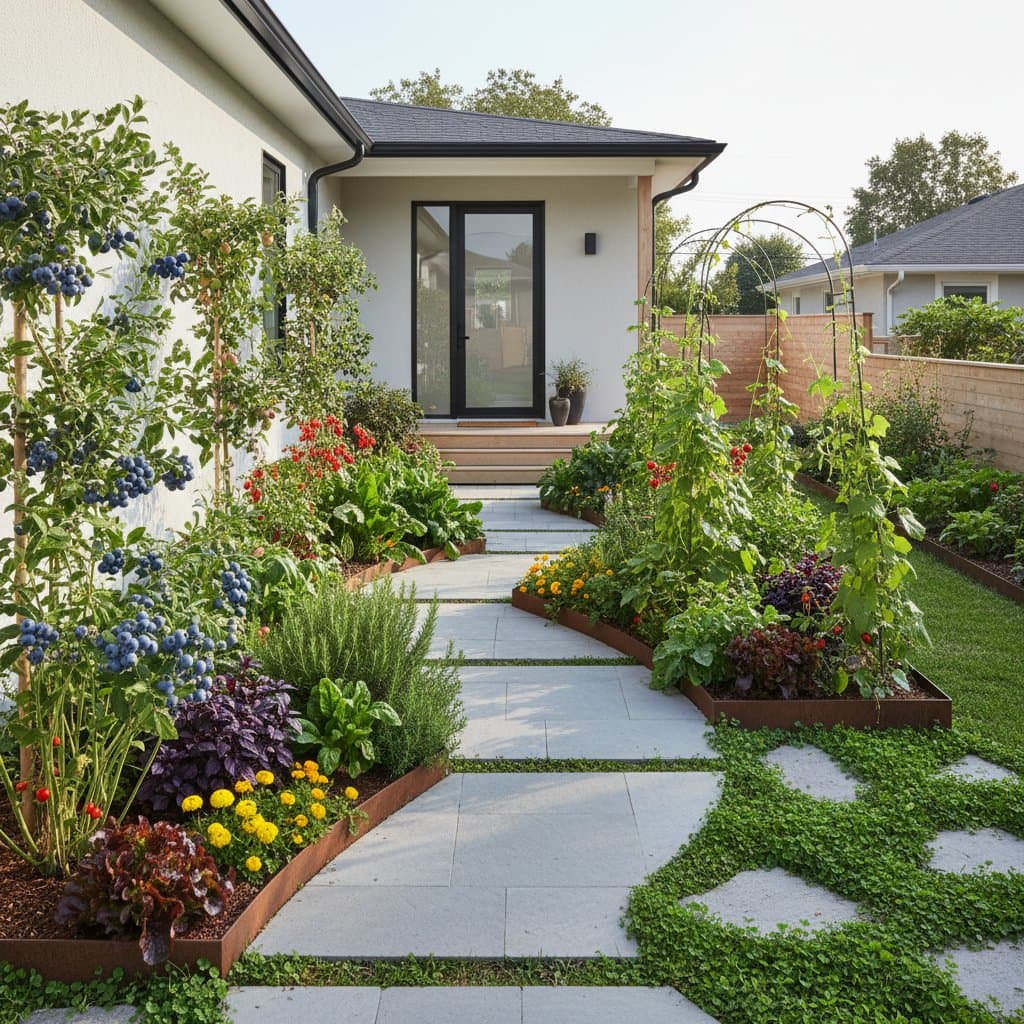
Edible Landscaping Replaces Ornamental Plants with Productive Ones
A front yard featuring fresh herbs, vibrant peppers, and trailing strawberries rivals the appeal of rose-filled beds. Edible landscaping merges food production with landscape artistry. This practice lowers expenses, advances sustainability, and fosters abundance beyond what decorative gardens provide. In California and other regions, residents replace flowerbeds with gardens that delight the senses and supply meals.
Reasons to Adopt Edible Landscaping
Edible landscapes convert standard yards into functional ecosystems. Designers apply the same principles used in ornamental gardens, substituting decorative elements with multifunctional plants. Basil, thyme, and sage deliver aroma and visual interest. Blueberries and pomegranates supply bursts of color across seasons. Kale and rainbow chard serve as bold foliage while providing edible yields.
This strategy aligns with California's environment and habits. Water-efficient planting, local sourcing, and al fresco lifestyles define the area. Edible landscaping unifies these elements. It trims food budgets, shortens supply chains, and strengthens ties to the surrounding landscape.
Establish a Strong Base Through Planning
Approach the project as both designer and cultivator. Effective edible landscapes begin with plans accounting for climate, soil quality, light exposure, and upkeep demands.
- Evaluate the location. Track sunlight patterns daily. Vegetables and fruits typically require six hours of direct sun. Shade-tolerant options include herbs and greens.
- Assess and amend soil. Robust soil supports growth. Incorporate compost, mulch, and organic materials to enhance texture and moisture retention.
- Design irrigation systems. Drip irrigation targets roots efficiently, conserving water and limiting weed growth.
- Select suitable plants. Opt for regional varieties with low pest needs and extended yields. In California, consider citrus, figs, artichokes, and rosemary, which endure sunny, arid conditions.
Create Designs That Balance Aesthetics and Utility
Successful edible landscapes avoid a utilitarian appearance. They integrate form, hue, and pattern for a deliberate, refined effect. View the space as purposeful artistry.
- Vary plant elevations for dimension. Ground-level oregano or strawberries line walks, mid-tier peppers or eggplants occupy central areas, and fruit trees add height.
- Apply repetition for flow. Consistent shapes, tones, or foliage patterns build cohesion. Purple basil interspersed with green lettuce yields eye-catching arrangements.
- Incorporate ornamental edibles. Chard displays vivid stems, and beans or cucumbers adorn trellises with foliage and produce.
- Install enduring features. Raised beds, stone edges, and arches organize the area, simplify access, and prolong garden vitality.
Incorporate Edibles into Front Yards
Front-yard edibles once drew scrutiny, yet perceptions evolve. Intentional layouts integrate them into communities while elevating property allure.
Terraced beds with dwarf citrus, herbs, and edible blooms present a refined facade. Shape lavender, thyme, and sage into hedges. Blueberries mimic hydrangea vibrancy. Substitute lawns with thyme or chamomile carpets that resist drought and tolerate steps.
To achieve harmony:
- Position tall crops like corn or sunflowers at rear or edges.
- Employ symmetry or motifs for order.
- Combine edibles with supportive ornamentals. Marigolds enhance tomatoes aesthetically and repel insects.
- Define borders and routes with gravel, granite, or stone for ease and style.
Select Fruit Trees and Shrubs
Fruit trees and berry shrubs form the core of edible designs. They offer shelter, seclusion, and changing visuals alongside harvests.
- Citrus trees flourish in mild climates, providing constant green and scented blooms.
- Pomegranates deliver architectural shapes and autumn hues.
- Olive trees evoke Mediterranean vibes with yields for preservation.
- Blueberries thrive in acidic conditions, yielding berries and fall color.
Account for full growth and placement. Dwarf types suit compact spaces and fruit sooner.
Utilize Herbs and Ground Covers
Herbs enhance edible landscapes with scent, form, and nuance. Most tolerate dryness and demand little attention.
- Thyme spreads along paths, releasing fragrance when stepped on.
- Oregano and marjoram create plush borders.
- Chives yield pollinator-friendly blooms.
- Mint requires containment in pots or beds to control spread.
Perennials provide stability, while annuals like basil or cilantro introduce seasonal shifts.
Manage Seasonal Changes and Variety
Edible landscapes shift with weather. Crop rotation preserves soil and sustains output. Greens excel in mild periods, while heat-lovers like tomatoes and squash peak in summer.
Sample rotation:
- Cool season: Plant lettuce, kale, peas, and carrots.
- Warm season: Sow tomatoes, beans, cucumbers, and basil.
- Interim phase: Use clover or vetch as cover to restore nutrients.
Blend perennials such as artichokes or asparagus with annuals for ongoing vibrancy.
Promote Water Conservation and Durability
Arid spells in California demand prudent hydration. Proper edible landscaping thrives under constraints.
- Apply thick mulch. Organic layers retain water, stabilize temperatures, and suppress weeds.
- Implement drip systems. Root-directed watering cuts evaporation.
- Harvest rainwater. Barrels or swales store excess for reuse.
- Choose resilient species. Herbs, figs, and pomegranates endure scarcity better than water-hungry plants.
Compost and natural amendments recycle elements, amplifying resilience.
Handle Pests and Support Pollinators
Edible gardens attract allies and adversaries. Foster helpful species while minimizing harm, avoiding synthetic interventions.
- Sow pollinator blooms. Borage, calendula, and alyssum summon bees for better yields.
- Attract predators. Ladybugs and lacewings manage aphids naturally.
- Practice companions. Basil bolsters tomatoes; garlic guards against borers.
- Inspect routinely. Remove pests manually or apply soap solutions promptly.
Equilibrium permits minor damage for a dynamic ecosystem.
Calculate Expenses and Enduring Benefits
Shift to edible landscaping incrementally or comprehensively. Begin by converting one bed to herbs, then scale up.
Initial outlays cover beds, watering setups, and soils. Returns include produce savings and self-reliance joy. Maintenance proves easier than lawns, with perennials cutting replants and efficient systems reducing bills. The setup evolves into a low-effort asset through composting and planning.
Ensure Visual Unity and Community Fit
Edible designs meet neighborhood rules when executed with care.
- Trim plants and clear walks regularly.
- Select uniform edging for consistency.
- Match containers to home style.
- Add accents like benches or features for polish.
Tended spaces spark dialogue and motivate others.
Experience Life in an Edible Garden
Mature landscapes influence habits profoundly. Enjoy coffee near berries, teach children about roots, or share herb displays with visitors.
Harvests integrate into routines seamlessly. Seasonal evolutions bring fresh palettes. Tasks like tending become restorative pauses.
Harvest the Rewards of Your Design
Edible landscapes respond to effort and innovation. Tailor them to needs, from herb patches to full orchards. They replace market reliance with grounded fulfillment.
Aesthetics persist in evolved ways. Peppers substitute blooms, trees cycle colors, herbs draw life. Each element fulfills dual roles, culminating in the delight of a doorstep tomato.