
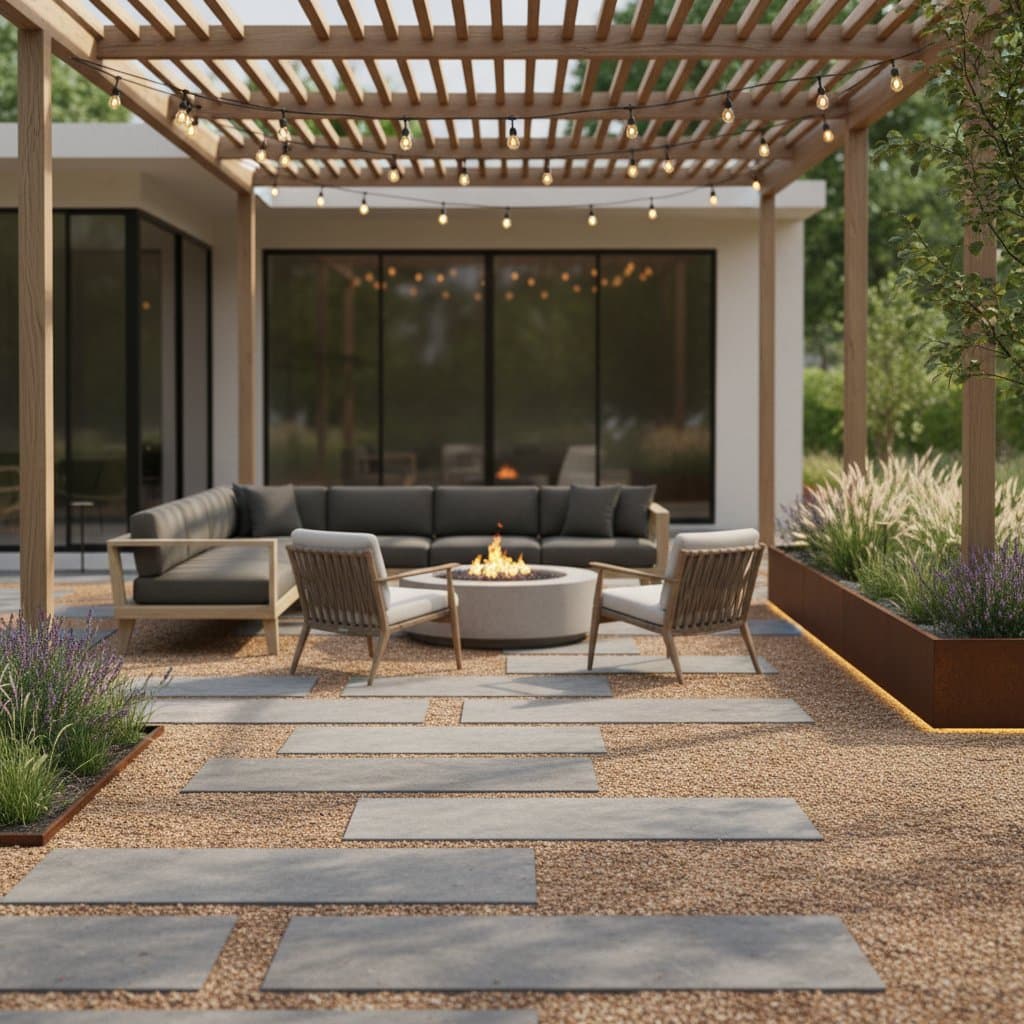
Why Gravel Patios Are the $3,000 Backyard Essential for 2026
Homeowners seek outdoor spaces that blend functionality with style without straining budgets. Gravel patios emerge as a leading choice for 2026, offering a cost-effective alternative to traditional paving at around $3,000 for a standard 200-square-foot area. This trend highlights sustainability, with permeable surfaces that reduce runoff and support eco-friendly landscaping.
The appeal lies in gravel's versatility. It accommodates various aesthetics, from sleek contemporary to rustic retreats, while requiring minimal upkeep. Installation proves straightforward for DIY enthusiasts or professionals, yielding durable results that enhance property value and daily enjoyment.
Step-by-Step Installation Guide
Proper preparation ensures a long-lasting gravel patio. Follow these structured steps to achieve a stable, attractive surface.
-
Site Excavation and Base Layer: Clear the area of vegetation and excavate to a depth of at least six inches. Add a two-inch layer of crushed stone or gravel base, then compact it firmly with a plate compactor to create a solid foundation that prevents shifting over time.
-
Weed Barrier Installation: Lay heavy-duty landscape fabric across the base. This material suppresses weed growth while allowing water to percolate through, maintaining the patio's permeability and reducing future maintenance.
-
Gravel Application: Spread two to three inches of topcoat gravel, such as pea gravel or crushed stone, evenly over the fabric. Compact lightly with a tamper and rake smooth to form a uniform surface that supports foot traffic and furniture.
-
Edging for Definition: Secure steel, aluminum, or plastic edging around the perimeter before adding gravel. This containment keeps edges crisp and prevents material spread, contributing to a polished appearance.
-
**Drainage ** Slope the site gently, about one inch per foot, away from the house and structures. Verify water flow during a test by hosing the area, adjusting as needed to avoid pooling.
-
Ongoing Maintenance: Replenish gravel annually or biennially based on traffic levels. Rake periodically to redistribute and remove debris, ensuring the surface remains even and inviting.
These steps typically complete in a weekend, with costs covering materials and basic tools. Consult local codes for any permitting requirements.
Customizing Your Gravel Patio Style
Gravel patios adapt to diverse design preferences through material selections and complementary elements. The gravel type dictates texture and tone, setting the overall ambiance.
Modern Minimalist Approach
Select charcoal crushed basalt for a sleek, monochromatic base. Pair with black steel edging and minimalist furniture in clean lines. Incorporate subtle LED path lights to highlight the gravel's subtle sheen at night.
Mediterranean Vibes
Opt for warm golden pea gravel to evoke sun-drenched landscapes. Surround with terracotta pots filled with lavender and olive branches, plus rustic wooden benches. String lights overhead add a festive touch without overwhelming the natural palette.
Coastal Relaxation
Choose pale limestone fines for a soft, beach-inspired feel. Combine with whitewashed teak loungers and nautical blue cushions. Scatter seashells or driftwood accents to enhance the serene, breezy atmosphere.
Woodland Escape
Mix earthy gravel tones like river rock in grays and browns. Encircle with native ferns, moss-covered boulders, and a simple hammock. Solar lanterns provide gentle illumination, fostering a tranquil, nature-immersed retreat.
Budget control remains key. Source gravel locally to cut transport costs, and focus on efficient layouts that maximize space. These variations stay under $3,000 by emphasizing strategic, high-impact additions over excess.
Everyday Benefits and Real-Life Integration
Once installed, a gravel patio seamlessly extends indoor living outdoors. Families report it becomes a hub for gatherings, with the soft crunch underfoot adding a sensory delight. Children play safely around fire pits, while evenings stretch into relaxed conversations at dining setups.
Environmentally, the design conserves resources. Gravel replaces thirsty lawns, allowing drought-resistant plants to flourish and lowering water bills. The surface stays cooler than concrete, mitigating urban heat, and its permeability curbs erosion during rains.
Maintenance simplicity stands out. Skip the sealing, staining, or mowing routines of other surfaces. A quick rake and occasional top-up suffice to keep it pristine.
“It’s the kind of project that grows with you,” said the designer. “You can add a pergola, swap furniture, or expand the edges without tearing anything up.”
Evolving Your Space for Long-Term Use
Gravel's loose nature permits easy modifications as lifestyles change. Introduce zoned areas for lounging or grilling by adding borders or pavers. Stepping stones guide paths through planted sections, while a compact outdoor kitchen integrates via gravel surround.
Plan ahead by assessing usage patterns. Measure for key furniture pieces, evaluate sun exposure for shading, and integrate electrical for lighting early. This foresight ensures the patio evolves without major disruptions.
Achieving Lasting Outdoor Elegance
A $3,000 investment in a gravel patio rivals pricier options through intentional design. Thoughtful pairings of texture, planting, and illumination create balanced, sophisticated spaces. The result proves enduring style stems from harmony and practicality, not extravagance.
Daily interactions—the shift of gravel with each step, sunlight dancing on its facets, effortless care—underscore gravel's role in contemporary outdoor havens. This trend invites homeowners to craft personal sanctuaries that enrich life year after year.