
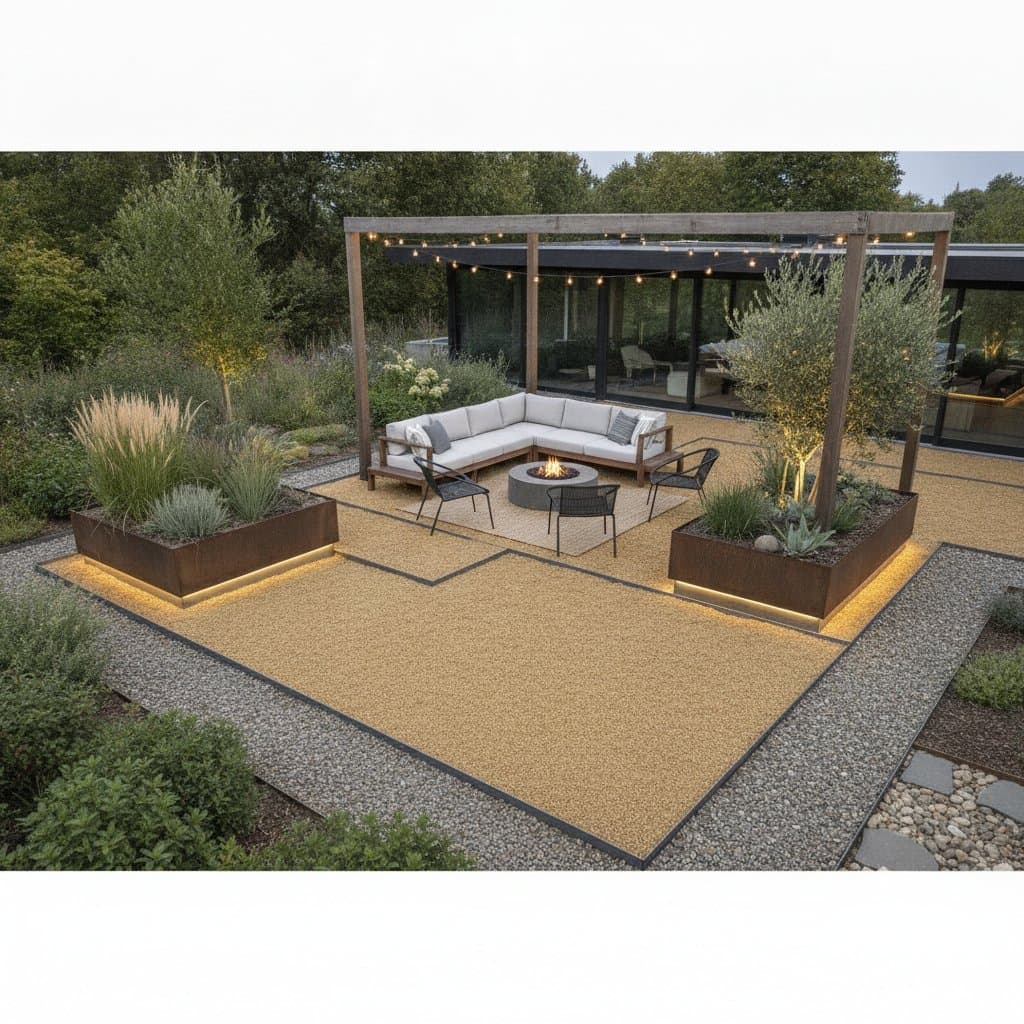
Gravel Patios Deliver Luxury Looks on a Budget in 2026
A gravel patio offers texture, sound, and style that rival pricier materials. Its soft crunch underfoot, natural appearance, and straightforward installation make it a favorite for homeowners who want an inviting outdoor space without overspending. The result feels grounded and timeless.
At a Glance
- Location: Suitable for most climates
- Surface Type: Crushed stone, pea gravel, or decomposed granite
- Best For: Low-cost outdoor living, casual entertaining, relaxed garden settings
- Project Goal: Create a visually rich and low-maintenance patio surface
Choose the Right Gravel Type
Select gravel based on foot traffic and desired texture. Crushed stone packs tightly for stability under furniture. Pea gravel offers a smoother feel but requires edging to stay in place. Decomposed granite creates a firm surface that compacts over time.
Test samples in your space before purchase. Consider color tones that complement surrounding plants and structures. A 2 to 3 inch layer over a compacted base provides lasting comfort.
Define Edges for Structure
Edges keep gravel contained and give the patio a finished appearance. Steel, brick, or natural stone borders prevent migration into lawns or beds. The right edge visually separates the space, making it feel intentional.
A landscape contractor notes that a crisp steel edge holds form and lets the gravel read as a distinct design feature. For a softer look, timber edging works well in wooded or cottage gardens.
Match edging materials to architectural style. Use weathered steel for modern homes or irregular flagstone for rustic settings. A circular gravel terrace framed with limestone cobbles creates a focal point in open lawn areas.
Create Defined Zones
Dividing a gravel patio into zones helps organize outdoor living. Use furniture groupings, planters, or pathways to separate dining, lounging, and fire pit areas. Gravel naturally transitions between spaces without hard breaks, allowing flexibility over time.
Zoning makes the yard feel larger and more purposeful. Even small yards benefit from distinct areas that encourage different kinds of gatherings. Combine gravel with pavers or wood decking to define transitions.
A compact patio with a gravel dining area and flagstone fire pit zone feels layered and complete. Low planters mark a shift between lounge and dining zones while keeping the palette cohesive.
Bring in Greenery
Plants soften the look of gravel while blending the patio into the landscape. Drought-tolerant species thrive in the reflected heat and low moisture conditions around gravel. Use ornamental grasses like little bluestem, prairie dropseed, or fountain grass for texture and movement.
Planting directly beside gravel creates a seamless transition from hardscape to garden. Raised planters or terracotta pots add structure and color contrast. Repeat plant colors that echo the gravel tone for visual unity.
Silvery sage and white limestone gravel create a calm, cohesive palette. Tufts of prairie dropseed soften the patio edge and sway in the breeze.
Keep Maintenance Simple
One of the greatest strengths of gravel patios is their low upkeep. Occasional raking keeps surfaces even and fresh. Adding new gravel every few seasons maintains depth and color. Weeds can be spot-treated or prevented with landscape fabric under the base layer.
Enjoy Your Gravel Patio Over Time
A gravel patio evolves naturally with the landscape. Over time, its surface settles in and takes on a comfortable, established feel. The adaptable nature of gravel allows for quick updates, new furniture layouts, or added features like fire bowls and planters without major renovation. Homeowners appreciate how this modest material creates a refined, livable outdoor room that works across budgets and styles.