
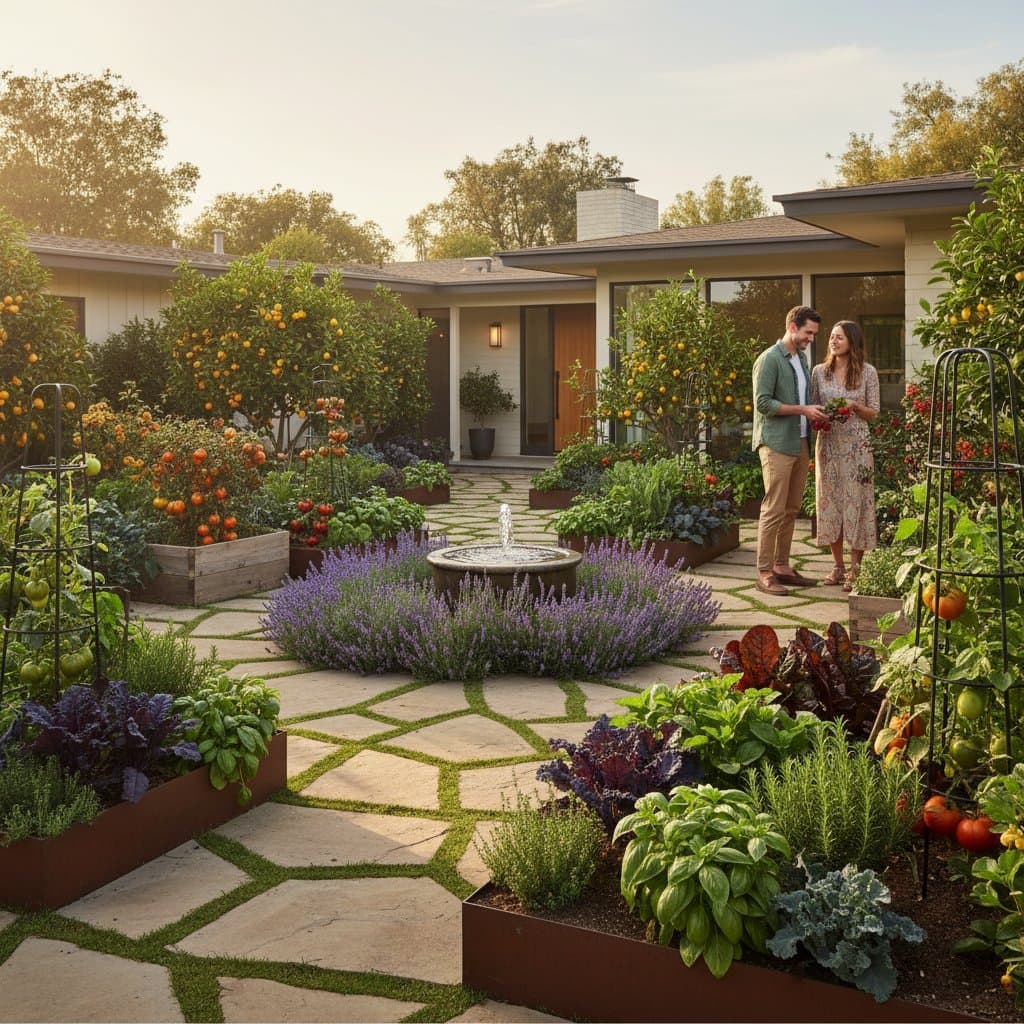
Transforming Front Yards into Edible Gardens to Reduce Grocery Expenses
A front yard designed to nourish your family while enhancing visual appeal may seem challenging, yet it proves feasible with proper planning. Substituting water-intensive lawns with edible landscapes lowers grocery expenses, elevates property aesthetics, and fosters abundance aligned with California's emphasis on outdoor living. Through deliberate design and implementation, this space evolves into a productive, attractive, and eco-friendly area.
Reimagining the Front Yard Landscape
Conventional front lawns demand significant water, fertilizers, and upkeep, yet offer minimal benefits. An edible garden shifts this dynamic by converting the area into an accessible source of fresh produce. The appeal stems from integrating utility with aesthetics, where a thoughtfully arranged edible landscape rivals traditional ornamental designs through vibrant colors, varied textures, and evolving seasonal displays.
Prior to planting, evaluate the site thoroughly. Observe sunlight patterns throughout the day, identify drainage points, and consider visibility from neighboring properties. Such analysis informs plant positioning and yields a purposeful layout. Homeowners often discover that substituting grass with elevated beds, fruit-bearing trees, and edible borders turns the yard into an engaging focal point.
Planning for Aesthetic and Functional Harmony
Divide the garden into distinct zones for optimal use. Position high-output vegetables adjacent to pathways for convenient harvesting. Install fruit trees or berry bushes along boundaries to establish form and screen views. Select herbs like rosemary, thyme, and oregano as border elements, which emit pleasant aromas upon contact.
Achieve equilibrium in the edible layout by merging visual elements with practical needs. Employ recurring shapes or color schemes to foster unity. For instance, intersperse kale and chard in alternating patterns to produce rhythmic contrasts of green and crimson foliage. Incorporate companion flowers such as marigolds, nasturtiums, or calendulas to introduce vibrancy, draw beneficial insects, and repel harmful ones. These choices ensure the garden appears curated rather than functional alone.
Selecting Appropriate Plant Varieties
The effectiveness of a front yard edible garden hinges on aligning selections with local conditions. In California's diverse regions, drought-tolerant, Mediterranean-adapted species perform reliably with reduced care. Begin with these groupings:
- Fruit trees: Opt for citrus like lemons or oranges, figs, pomegranates, and regionally adapted apples.
- Vegetables: Include tomatoes, bell peppers, leaf lettuces, kale, and summer squashes for steady yields.
- Perennial options: Choose artichokes, asparagus, and everbearing strawberries for enduring productivity.
- Herbs: Integrate lavender, sage, basil, and mint to enhance sensory and culinary experiences.
Blend long-lived perennials with short-season annuals to sustain output year-round and lessen replanting efforts. Prioritize resilient cultivars and promote variety over uniformity. This strategy bolsters ecosystem stability, enriches soil quality, and curbs pest proliferation.
Optimizing Water and Soil Practices
Implement precise irrigation to maximize efficiency. Drip irrigation targets roots directly, conserving water and avoiding leaf wetness that invites diseases. Supplement with organic mulch layers to preserve humidity, inhibit weed growth, and regulate soil temperature.
Home-generated compost supplies essential nutrients, sustains fertility, and diverts waste from landfills. For challenging soils lacking aeration or organics, construct raised beds to simplify initial efforts. These structures heat quickly in early seasons and facilitate superior drainage. Persistent applications of mulch and compost gradually amend underlying soil, enabling broader cultivation over time.
Enhancing Curb Appeal Through Edible Integration
Edible front yard gardens can seamlessly blend with residential surroundings without resembling agricultural patches. Employ precise edging, such as decomposed granite paths or metal frames, to convey neatness. Pair edible bushes with decorative grasses or drought-resistant succulents for textural variety.
Introduce a central feature, like a vine-covered trellis supporting pole beans or a compact fruit tree in an oversized pot. Incorporate subtle lighting along walkways or upward beams to accentuate forms after dark, improving security and allure. Position a simple bench or cafe table to encourage leisure, transforming the area into an inviting retreat.
Sustaining and Enjoying Garden Growth
An established edible front yard demands surprisingly modest maintenance. Frequent harvesting stimulates further yields, while targeted pruning preserves plant vigor. Monitor hydration levels during prolonged droughts and replenish mulch as it decomposes.
Cycle annual plantings across sections to preserve nutrient balance and avert exhaustion. As the garden matures, observe diminishing reliance on store-bought items and fuller home pantries. The joy of gathering morning herbs or assembling salads from freshly cut greens elevates daily routines. Ultimately, this approach cultivates environmental awareness, promotes responsible habits, and yields a landscape that sustains both nourishment and well-being.