
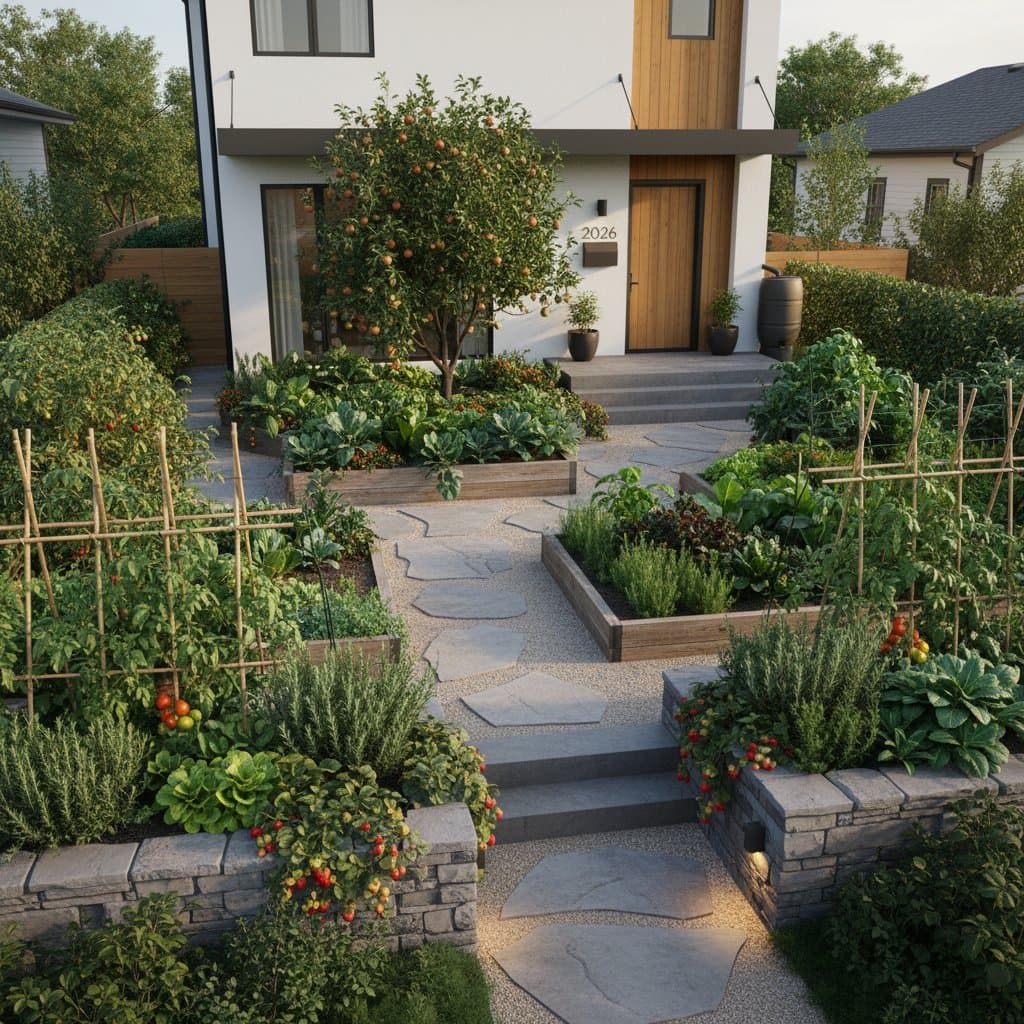
The Shift Toward Productive Landscapes
Homeowners associations have long enforced strict rules on yard maintenance, often prioritizing uniform lawns over diverse plantings. However, a nationwide policy change set for 2026 marks a significant departure. This update allows residents to install edible front yards, replacing traditional turf with gardens that yield fresh produce.
The decision stems from growing environmental concerns and a desire for self-sufficiency. Lawns consume vast amounts of water and require chemical treatments, contributing to resource strain. Edible alternatives address these issues while providing tangible benefits to homeowners.
Communities that adopt these gardens report higher resident satisfaction. The visual appeal of blooming fruit trees and lush vegetable patches enhances neighborhood charm without sacrificing order.
Why Edible Yards Align with Modern Community Standards
Sustainability drives this policy evolution. Traditional lawns offer little ecological value, whereas edible gardens support pollinators and reduce urban heat islands. Homeowners can select drought-resistant varieties like kale, tomatoes, and dwarf citrus trees that thrive in various climates.
Access to fresh food represents another key advantage. Many urban and suburban residents lack nearby markets, making home-grown produce a practical solution. These yards encourage healthier eating habits and cut down on grocery expenses over time.
HOA boards view this as a way to modernize rules without chaos. Guidelines will specify plant heights, placement, and maintenance to preserve curb appeal. For instance, borders of low-growing herbs can frame taller elements, creating structured yet lively designs.
Planning Your Edible Front Yard
Begin by reviewing your local HOA bylaws, which will update in early 2026. Most associations require submission of a landscape plan detailing plant selections and layout. Consult resources from extension services for region-specific recommendations.
Soil preparation forms the foundation of success. Test your yard's pH and amend it as needed with organic compost to support nutrient-rich growth. Raised beds work well for poor soil conditions, elevating plants above ground level for better drainage and accessibility.
Choose plants based on sunlight and space. Full-sun areas suit vegetables such as peppers and zucchini, while shaded spots accommodate leafy greens like lettuce and spinach. Incorporate perennials like berry bushes for long-term yields with minimal annual replanting.
- Sketch a design that integrates edibles with ornamental features, such as flowering companions that deter pests.
- Install irrigation systems early, opting for drip lines to conserve water compared to sprinklers.
- Schedule regular pruning to maintain neat appearances, aligning with HOA expectations.
Integrating Community and Design Elements
Edible yards foster social connections. Neighbors often share harvests, leading to informal exchanges that strengthen bonds. Some HOAs organize garden tours or workshops to educate residents on best practices.
Design principles ensure these spaces complement architectural styles. In contemporary neighborhoods, geometric beds with structured paths create modern appeal. Traditional areas benefit from cottage-style plantings, blending edibles seamlessly with existing flora.
Maintenance remains straightforward with proper planning. Mulching suppresses weeds and retains moisture, reducing labor. Companion planting, where marigolds protect tomatoes from insects, minimizes the need for interventions.
Overcoming Common Challenges
Initial costs may concern some homeowners, but long-term savings offset expenses. Seeds and starter plants prove affordable, and yields recoup investments through home consumption or small-scale sales. Grants for sustainable landscaping occasionally cover startup needs.
Pest management requires vigilance without harsh chemicals. Introduce beneficial insects like ladybugs to control aphids naturally. Rotating crops annually prevents soil depletion and disease buildup.
HOA approval processes vary, so engage board members early. Present your plan with visuals showing mature outcomes, emphasizing compliance and community enhancement.
Harvesting Benefits for Health and Environment
These gardens promote physical activity through tending and harvesting. Daily interactions with plants reduce stress and encourage outdoor time. Families involve children in planting, teaching responsibility and nutrition from a young age.
Environmentally, edible yards lower carbon footprints by decreasing food transport demands. Local production cuts emissions associated with shipping produce long distances. Water efficiency stands out, as many edibles require less irrigation than grass.
Communities experience broader impacts. Reduced lawn mowing decreases noise pollution and fuel use. Biodiversity increases, attracting birds and butterflies that enrich local ecosystems.
Preparing for Implementation in 2026
Start small if new to gardening. Dedicate a section of your yard to test varieties and techniques. Track growth patterns to refine future expansions.
Join online forums or local groups for advice tailored to your area. Experts share tips on seasonal planting and harvest timing to maximize output.
As 2026 approaches, this policy empowers homeowners to reclaim their spaces. Edible front yards blend utility with beauty, offering fresh rewards year-round. Embrace the change to cultivate not just plants, but a more connected, sustainable lifestyle.