
Front Yard Farms: Save on Groceries and Enhance Curb Appeal
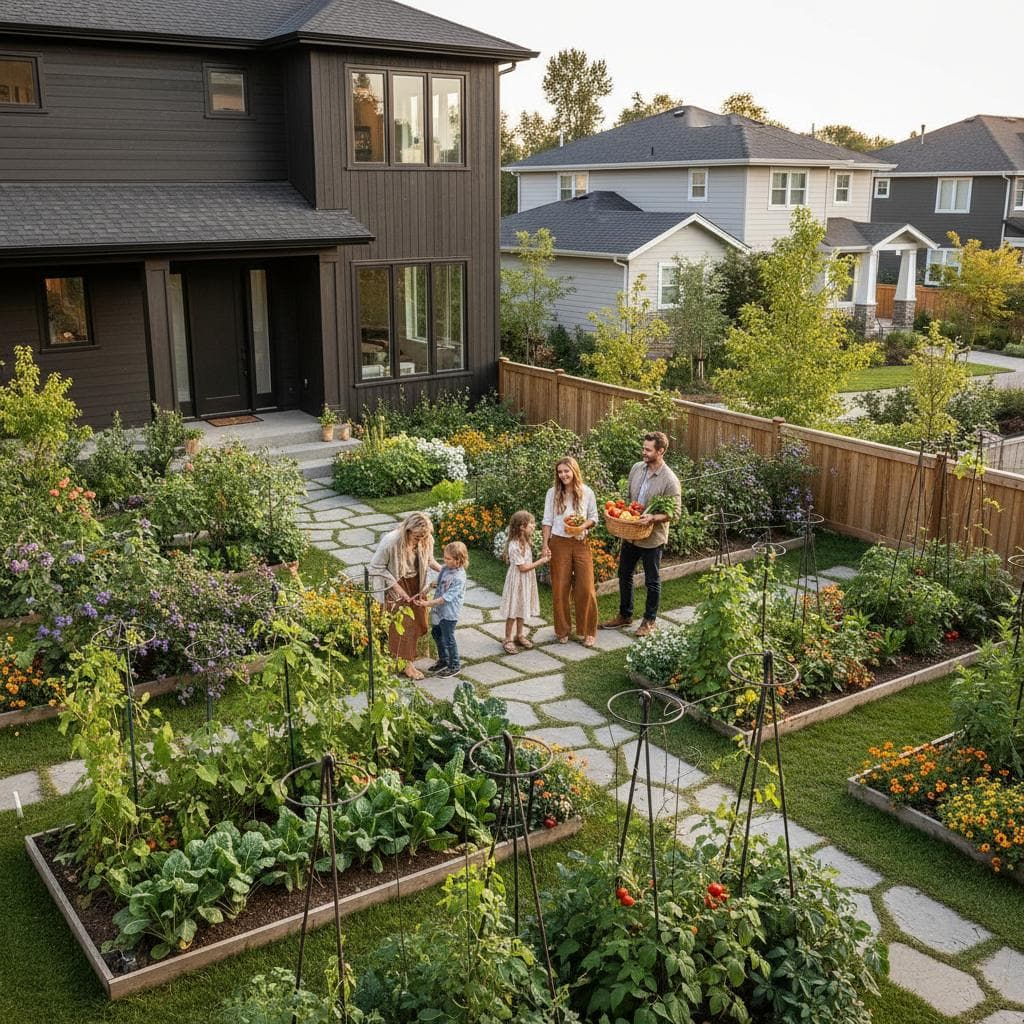
Marissa and Daniel purchased their suburban home with a vision to repurpose the front lawn. They sought a garden that appeared well-maintained and delivered practical benefits. Their objectives included lowering grocery expenses, cultivating fresh produce, and creating an appealing entryway. The outcome stands as a vibrant front yard farm that integrates aesthetics, utility, and neighborhood involvement.
Design a Welcoming Productive Space
Visitors approaching from the sidewalk encounter a scene reminiscent of a cottage garden rather than a simple vegetable area. A gravel pathway winds through groupings of herbs, berry shrubs, and blooming perennials. Elevated cedar beds outline the planting areas while preserving an airy quality. The arrangement incorporates diverse textures and varying heights to steer clear of a stark, farm-like appearance.
"People pause to inquire about our plants," Marissa noted. "It fosters a warmer neighborhood atmosphere. We have connected with more residents in the past six months than during the prior five years."
This renovation demonstrates that food gardening can achieve both practicality and refinement. Each element of the design harmonizes output with visual charm.
Select Plants for Year-Round Appeal and Yield
The selection of plants merges edible varieties with decorative ones to sustain interest across seasons. Structural elements derive from durable herbs such as rosemary and lavender, which retain shape during rotations of annual crops. Cool-weather greens occupy the space in milder periods, with heat-tolerant vegetables dominating in summer.
Recommended plant selections include:
- Front border: Strawberries, chives, and creeping thyme to form a low, aromatic boundary
- Mid-level layer: Swiss chard, kale, and compact peppers for vibrant hues and varied foliage
- Tall accents: Okra, artichokes, and sunflowers to guide the gaze skyward
- Pollinator-friendly additions: Salvia, echinacea, and bee balm woven among the edibles
This composition appears deliberate, not haphazard. The tiered approach resembles a traditional perennial bed, illustrating how food plants can rival ornamental ones through careful placement.
Choose Durable, Multifunctional Materials
Raised beds utilize cedar for its inherent durability against weathering. Gravel paths consist of crushed granite, selected for water permeability and a neutral tone that aligns with the house facade. A rain chain paired with a collection barrel beside the porch channels rooftop water to the garden, minimizing irrigation needs.
Matte black metal trellises accommodate vining beans and cucumbers. Their understated design mirrors the home's window framing, linking built and planted features. Shredded hardwood mulch maintains neatness in the beds and conserves soil moisture.
"Each material serves multiple roles," landscape designer Leah Torres stated. "It must function effectively, integrate seamlessly, and simplify upkeep."
Manage Seasonal Changes Effectively
A front yard farm requires consistent attractiveness amid crop shifts. The plan features permanent edge plantings surrounding adaptable central beds. The perimeter offers enduring framework, as the core responds to seasonal demands.
Early spring brings lettuce, radishes, and peas to the beds. Warmer conditions prompt succession with tomatoes, peppers, and basil. Fall and winter revert to greens and roots. Ornamental kale alongside pansies preserves vibrancy during slower harvest periods.
Such succession promotes soil vitality and visual engagement. Designers ensured continuity through echoed leaf colors. Purple basil echoes the shades of alliums, and silvery sage pairs with the gravel's gray undertones.
Blend Edibles and Ornamentals Seamlessly
Preserving curb appeal poses a primary hurdle in front yard food production. Success emerges from intermingling edible and decorative plants to convey purposeful landscaping over mere crop assortment.
Repetition unifies the area. Terracotta pots along the path hold alternating herbs and blooms. Lemon verbena neighbors geraniums, with thyme cascading over rims. This pattern of shapes and shades creates harmony.
Cedar-capped raised beds include trim that functions as a bench edge. Sharp borders render the garden polished during plant changes. Homeowners incorporate seasonal elements like baskets or lanterns to sustain an hospitable vibe.
Implement Efficient Watering and Soil Management
The design emphasizes water conservation through a subsurface drip system beneath the mulch. This setup targets roots precisely and links to a timer responsive to soil moisture. The method cuts excess usage and ensures steady plant development.
Kitchen compost replenishes the soil annually, supplemented by worm castings for organic nutrients. "We aim to recycle everything into the garden," Daniel remarked. "Nourishing the earth feels rewarding over discarding waste."
Deep mulch layers, targeted watering, and natural amendments sustain fertility with low labor. This framework bolsters enduring productivity without frequent resets or intensive interventions.
Calculate Financial Benefits
Though visually elegant, the garden operates as an efficient producer. The family sources most salad greens, herbs, and vegetables from their plot. Grocery spending decreased by approximately one-third following the initial season.
The shift also eliminated lawn care expenses, including mowing and treatments. Mulch and ground covers naturally suppress weeds.
Leah Torres described the intent as balanced independence. "We focused on steady, modest yields," she said. "This approach maintains manageability and allure while substantially reducing food costs."
Foster Neighborhood Engagement
Positioning the garden at the front yields social advantages. Passersby inquire and depart with herbs or tomatoes. Local children assist with watering or berry picking. The former lawn now sparks communal dialogue.
Marissa values the shift in family habits. "Outdoor time has increased. The children understand food origins, and our meals improve in quality."
Low-growing plants near the path ease the boundary between street and home. This arrangement subtly highlights how food gardens nurture both sustenance and social bonds.
Adapt and Maintain Your Front Yard Farm
Success in a front yard farm depends on ongoing adaptation. View it as a dynamic ecosystem, not a fixed scene. Marissa and Daniel refine crop choices yearly to match family preferences, substituting less productive varieties with hardier options.
Daily care involves brief checks for pests, herb trimming, and harvest collection. These habits ensure output and tidiness.
For those starting out, begin modestly with a single bed or edible border. Select weather-resistant materials and climate-suited plants. Establish watering and soil practices upfront to ease future work.
Above all, prioritize enjoyment in the design. A front yard farm ought to draw you outdoors with ease. When beauty and purpose align, it enriches daily life, nutrition, and connections.