
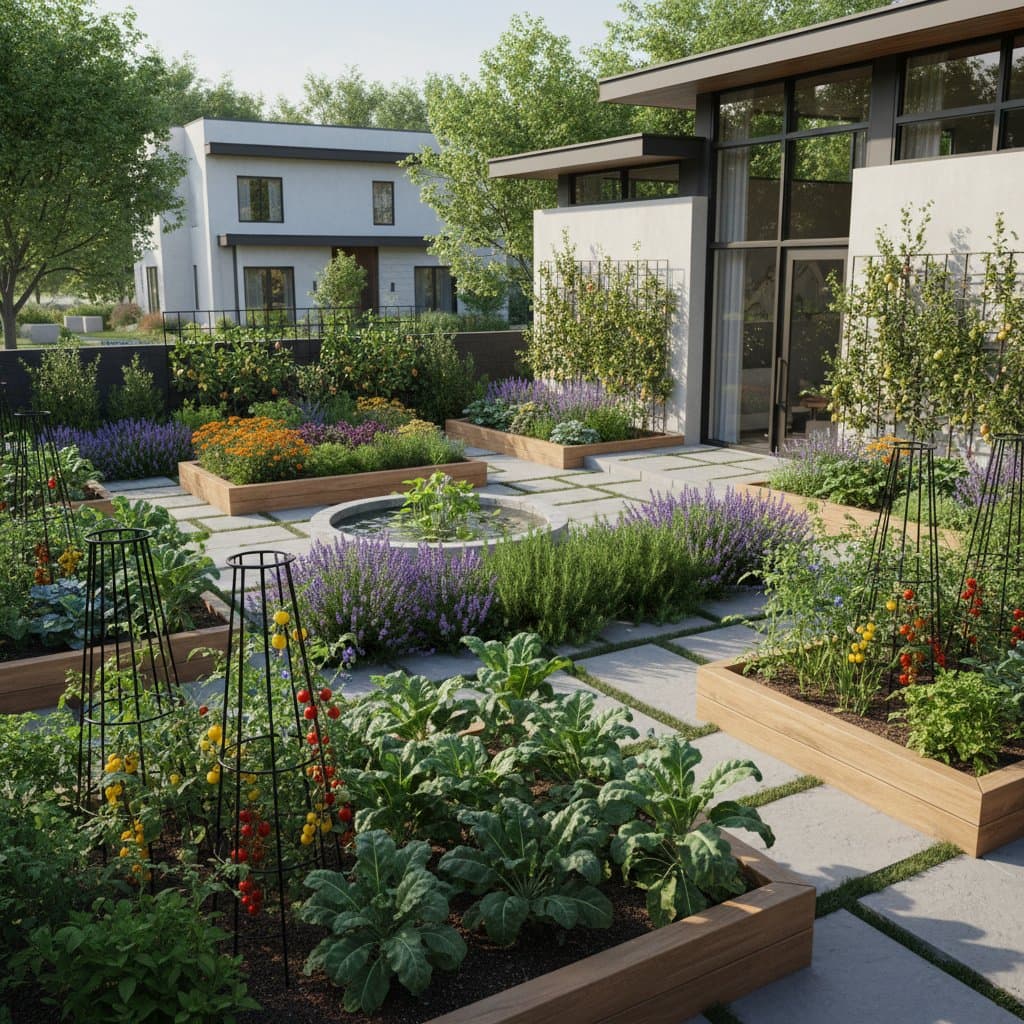
Why Front Yards Are Becoming Edible Ecosystems
Shifting from Ornamental Displays to Productive Landscapes
Front yards have traditionally symbolized the American ideal through vibrant colors, varied textures, and pleasant scents from flowerbeds. Increasing numbers of homeowners now redesign these spaces by incorporating edible plants in place of purely decorative ones. This approach allows for the cultivation of both visual appeal and practical yields. In regions like California, the trend underscores commitments to environmental stewardship, personal food security, and stronger ties to the natural world.
Edible landscaping maintains high standards of beauty without compromise. Homeowners create front yards that captivate visually while providing sustenance for the family. The advantages extend well past the immediate produce. A strategically designed edible garden enhances soil quality, draws in pollinators, lowers water consumption, and increases real estate value. The space evolves into a dynamic ecosystem rather than a fixed ornamental feature. Proper design ensures the garden rivals any conventional landscape in elegance, with added layers of utility.
Developing a Strategic Plan for Edible Landscaping
Effective edible landscaping requires a structured plan that balances form and purpose. Plant selections must align with local climate conditions, specific site variations, and the residents' daily routines.
1. Conduct a Thorough Site Evaluation
Evaluate exposure to sunlight, soil composition, and water drainage patterns. Edible plants generally require a minimum of six hours of direct sunlight daily. In areas with partial shade, options such as spinach, mint, or raspberries prove more adaptable. Perform a soil test to determine nutrient levels and acidity. Incorporate compost or organic amendments to boost nutrient availability and improve soil texture, promoting robust root development.
2. Incorporate Layers for Depth and Engagement
A well-composed design features elements at multiple heights to build visual complexity.
- Tall structures: Include citrus trees, espaliered grapes on supports, or sturdy stalks like kale or hollyhocks for height.
- Intermediate shrubs: Select options such as currant bushes or cardoon for substantial presence and shape.
- Low-growing covers: Use alpine strawberries, lemon balm, or prostrate rosemary to control weeds and retain soil moisture.
This multi-tiered method generates dimension and movement, akin to classic garden arrangements. Each tier contributes nutritional benefits through harvestable yields.
3. Blend Colors and Forms for Artistic Impact
Edible gardens rival floral displays in creative potential. Varieties like multicolored Swiss chard, dark opal basil, and blood-veined dock introduce bold colors. Plants such as lacinato kale or globe artichokes provide bold, sculptural foliage. Combine species with contrasting shades and surfaces. The gray-green leaves of lavender pair effectively with the glossy surfaces of lemon trees or the reddish hues of oakleaf lettuce.
4. Ensure Seasonal Continuity
Seasonal changes influence even temperate zones. Schedule crop rotations and prioritize perennials for ongoing framework. Establishments like dwarf apples, elderberries, and rosemary offer persistent interest, supplemented by seasonal annuals such as radishes or zinnias for bursts of color and output. A detailed planting schedule prevents gaps in coverage and maintains vitality across months.
Ecological and Financial Advantages of Edible Gardens
Transitioning from decorative flowers to food-producing plants yields concrete environmental gains and monetary efficiencies. Reductions in water, amendments, and food purchases accumulate significantly.
Optimizing Water Use
Traditional lawns and ornamental blooms often necessitate regular irrigation. Established edible species, however, tolerate drier conditions with reduced watering needs. Implement drip irrigation and apply organic mulch to cut usage by up to 50 percent. Drought-resistant choices like rosemary, olive trees, and quince adapt well to arid settings and demand little maintenance after rooting.
Enhancing Soil Vitality and Pollinator Habitats
Edible landscapes promote regenerative processes. Recycle garden waste through composting to replenish soil nutrients. Integrate green manures such as vetch or peas to enrich nitrogen content and prepare for subsequent sowings. Blooming components like dill or apple flowers draw honeybees and hoverflies, bolstering populations essential for pollination and ecosystem stability.
Achieving Savings and Superior Nutrition
A yielding front yard diminishes reliance on purchased produce and delivers superior freshness. Greens picked just before preparation preserve higher levels of vitamins and minerals compared to market options. The autonomy of self-sufficiency fosters a profound sense of accomplishment, amplified when the garden serves as an inviting exterior feature.
Aligning Edible Elements with Home Design
An edible front yard integrates seamlessly as an outward expression of the residence. The arrangement should harmonize with the structure's architectural style, building materials, and scale.
Contemporary residences benefit from precise configurations, featuring raised beds with defined borders and bold plants like cardoons or yuccas alongside structured herbs. Traditional bungalows accommodate flowing patterns, interweaving raspberries, pole beans, and companion blooms in relaxed groupings. Define walkways to direct foot traffic smoothly from the street to the entrance, weaving allure with productivity.
Strategic lighting supports usability and security. Install path-edge fixtures or under-canopy spots to accentuate shapes and facilitate after-dark gathering. Gentle glows elevate the functional area into an tranquil evening retreat.
Maintaining and Evolving Your Edible Landscape
Establishment marks the start of ongoing engagement with an edible design. The cycles of sowing, nurturing, and gathering attune residents to seasonal rhythms. Observing produce mature in former flower zones reshapes perceptions of outdoor spaces. The area functions as an educational hub for young learners and a constant affirmation of integrated beauty and purpose.
Sustain productivity through these practices:
- Cycle annual plantings to preserve soil nutrients and avoid pathogen accumulation.
- Renew mulch layers annually to retain hydration and limit weed growth.
- Trim woody perennials seasonally to encourage form and yield.
- Substitute exhausted plantings with soil-protecting alternatives or fresh varieties to sustain activity.
As preferences shift, modify sections accordingly. Convert a herb patch to salad greens or introduce novel climbers on existing frames. This adaptability supports innovation while upholding coherence and balance.
Realizing Long-Term Rewards from Your Edible Yard
Edible landscaping challenges conventional notions of garden aesthetics. It demonstrates the compatibility of visual elegance and practical output within shared ground. Through deliberate design and consistent attention, homeowners cultivate environments that enrich sensory experiences and provide ongoing nourishment.