
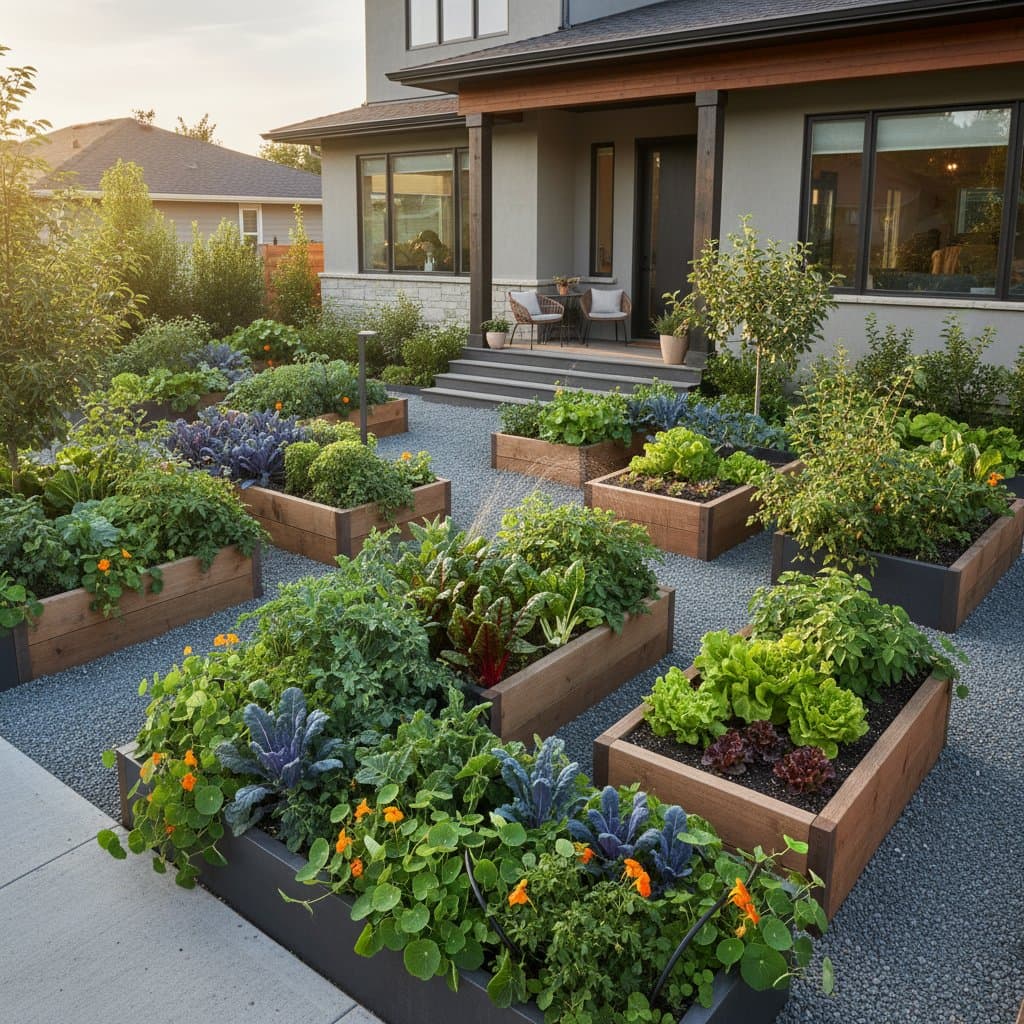
Cultivating Vegetables in Front Yards: HOAs Adapt to New Realities
Homeowners long desired to harvest fresh tomatoes and herbs directly from their front yards, yet strict neighborhood regulations often prohibited such plantings. Recent developments show Homeowners Associations relaxing these rules, permitting the integration of vegetables, fruit trees, and herbs into front landscapes. This evolution benefits gardeners and aligns with wider trends in sustainable practices and community engagement. Thoughtful design enables food production in visible spaces without compromising visual harmony or property standards.
Reasons Behind HOA Policy Shifts
HOAs previously considered vegetable gardens untidy or disruptive to consistent neighborhood appearances. Growing awareness of drought-resistant landscaping, native plant initiatives, and local food production has altered these views. Residents have demonstrated how edible elements can integrate seamlessly with decorative features, resulting in landscapes as refined as traditional ones.
Shifting public opinions have pressured HOA boards to adapt. More community members prioritize environmental responsibility, lower food expenses, and nutritious homegrown options. Boards recognize that properly executed edible gardens enhance property values. Updated policies typically include requirements for plant heights, structural elements, and selections to maintain visual uniformity.
Steps to Design an Edible Front Yard Landscape
Develop a detailed plan before planting. Treat the front yard vegetable garden with the same deliberate approach as any prominent landscape feature. Focus on layout, scale, and year-round interest to ensure the space welcomes passersby while producing food.
-
Evaluate sunlight and soil conditions. Track sunlight patterns in the yard; vegetables generally need six or more hours of direct exposure daily. Analyze soil for drainage and nutrient levels. Install raised beds or improve existing soil if it contains heavy clay or poor structure.
-
Review HOA guidelines thoroughly. Relaxed policies still specify limits on heights, enclosures, and the balance between edible and decorative plants. Position taller varieties, such as corn or vining beans on supports, along property edges to avoid obstructing views.
-
Incorporate structural elements for balance. Effective designs appear purposeful. Define areas with edging, walkways, and bordered beds. Opt for materials like decomposed granite, gravel pavers, or brick to form clean boundaries that support aesthetic appeal. Employ symmetrical arrangements or repeated patterns to convey order.
-
Mix edible and ornamental plants. Pair vegetables like kale with flowers such as lavender, or strawberries with ground covers like thyme, to introduce diverse textures and hues. Herbs often serve dual purposes, blending effortlessly into both functional and decorative areas.
-
Address watering and upkeep needs. Implement drip irrigation for efficient, neat hydration. Regular trimming, harvesting, and succession planting preserve a vibrant appearance. A meticulously managed garden demonstrates dedication and enhances the home's overall impression.
Selecting Attractive and Productive Vegetables
Choose plants that deliver both beauty and yield, emphasizing form, color, and adaptability to local conditions. In California and western regions, temperate climates suit herbs from Mediterranean origins and heat-loving summer crops.
-
Leafy greens: Varieties of lettuce, Swiss chard, and kale offer diverse shapes and shades for decorative effect. Select red-stemmed chard or deep purple kale to provide striking contrasts comparable to blooms.
-
Small-scale fruiting plants: Compact cherry tomatoes, peppers, and eggplants yield colorful displays and remain contained. Secure them with robust stakes or ornamental trellises to maintain tidy growth.
-
Root crops: Carrots, radishes, and beets develop underground, while their foliage contributes lush greenery. Plant them in spaces between taller specimens.
-
Evergreen herbs: Rosemary, oregano, thyme, and sage feature elegant forms and subtle scents. These low-water options excel at edging and framing.
-
Flowering edibles: Nasturtiums, calendulas, and violas draw beneficial insects and inject vivid highlights. They effectively merge garden and ornamental functions.
Align plant colors with home exteriors and paved surfaces. Warm house shades complement yellow tomatoes or red peppers; cooler tones harmonize with deep purple basil or bluish kale foliage.
Drawing from California Garden Traditions
California's emphasis on al fresco lifestyles makes edible front yards a natural extension. Position vegetable beds within entry courtyards or near seating to facilitate enjoyment of both scenery and produce. Frame raised beds with timber or stone to mirror the home's architecture. Paved paths bordered by lavender or artichokes evoke a sophisticated, functional Mediterranean style.
Coastal zones with salty breezes and gusts favor resilient choices like artichokes, fennel, and robust herbs. Interior valleys enduring intense summer heat thrive with drought-tolerant selections such as peppers, eggplants, and compact melons. Elevated or arid terrains benefit from raised structures and organic mulches to stabilize soil conditions.
Ensuring Compliance with HOA Expectations
Approval does not eliminate the need for vigilance; HOAs anticipate neat, appealing gardens. Foster positive relations by prioritizing year-round tidiness and neighbor dialogue.
-
Define garden limits clearly. Install borders to distinguish planting areas from turf or paths, minimizing soil migration and underscoring deliberate design.
-
Handle crop cycles promptly. Replace spent plants swiftly or apply mulch and low covers to bare spots. Neglected areas invite scrutiny.
-
Control height and spread near access points. Maintain unobstructed walks and vistas. Anchor trellises securely and scale them to the property.
-
Manage waste out of sight. Enclose compost in bins or relocate it to screened areas. Address potential smells and visuals proactively to avert issues.
Well-kept examples often spark neighbor interest. Distributing surplus harvests transforms doubt into collaboration.
Community and Environmental Advantages
Visible vegetable gardens extend beyond personal use; they build social ties. Interactions with passersby, inquiries from children, and collective learning strengthen neighborhoods. These plantings mitigate city heat, aid pollinators, and enrich earth quality.
Substituting thirsty grass with efficiently watered edibles cuts water use and pollution. Such gains have prompted many California HOAs to revise standards. As turf yields to food-bearing and native species, areas gain vitality, wellness, and drought resistance.
Nurturing and Evolving Your Garden
Established gardens reward routine engagement. Gather herbs for meals, pluck berries en route to the door, or receive praise for robust crops; these moments affirm the design's worth. Treat care as a seasonal cycle: rotate plantings, amend earth with organics, and calibrate water based on forecasts.
As perennials spread and annuals cycle, initial frameworks sustain equilibrium. Introduce novel cultivars and tweak arrangements annually. This living canvas merges utility and aesthetics, thriving on attentive adaptation.
Harvesting the Rewards of Visible Edibles
HOA endorsements of front yard produce signal evolving priorities in ecology, self-sufficiency, and communal aesthetics. Disciplined planning paired with green principles allows open cultivation of nourishment.
Start modestly: establish a single bordered bed with balanced selections, tend it diligently. Scale up over time, letting each yield underscore the synergy of form and function.