
-
Structure and Symmetry
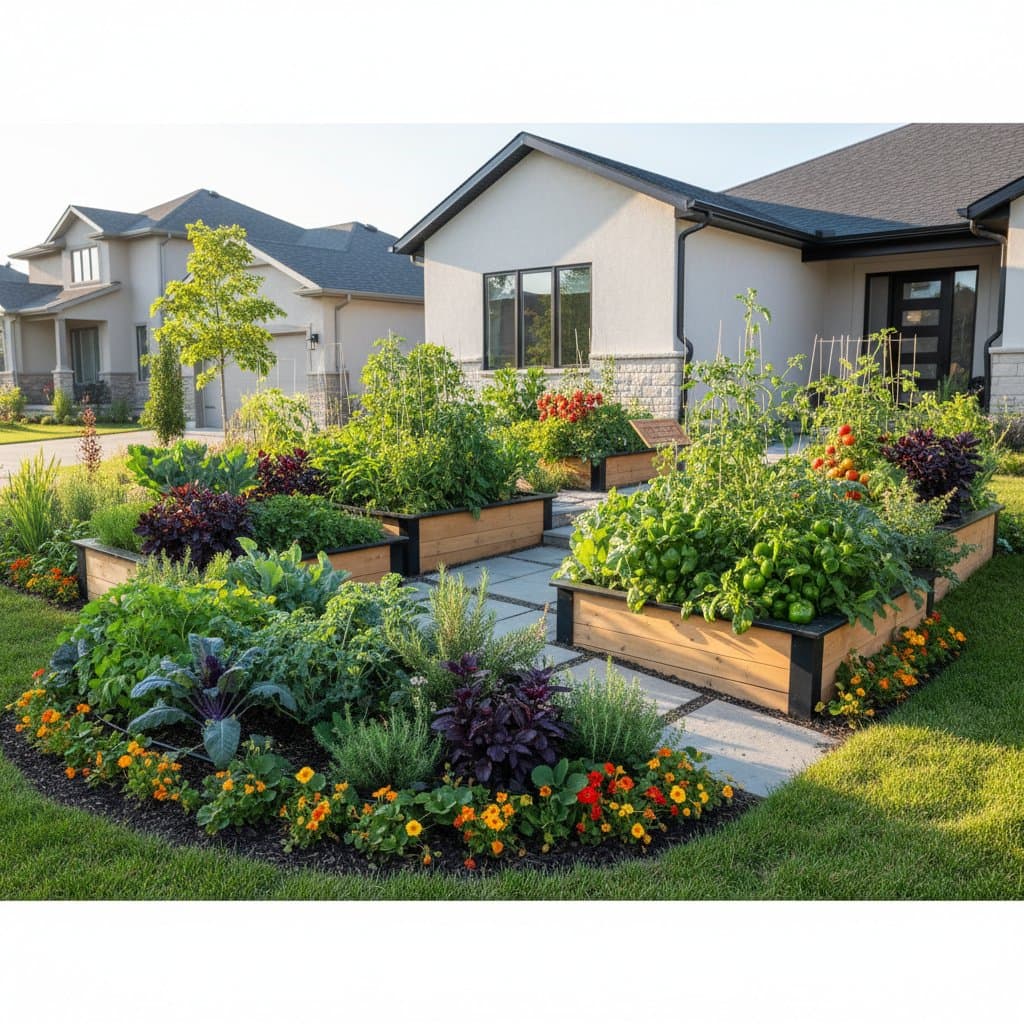
Select arrangements that appear organized from the roadway. Employ raised beds with clear boundaries, geometric planting schemes, or balanced walkways to present the garden as an intentional feature rather than scattered plantings. Enclose the area with low hedges, gravel borders, or ornamental edging to achieve a refined look. -
Plant Choices for Visual Appeal
Incorporate vibrant options such as leafy greens, multicolored Swiss chard, and deep-hued basil for color variety. Select artichokes or asparagus for their architectural leaves comparable to decorative species. Utilize herbs including rosemary, thyme, and oregano as versatile ground covers and scented highlights. Vary foliage textures and plant elevations to maintain interest without disarray. -
Year-Round Succession Planting
Schedule rotations to sustain visual and productive continuity. Replace completed crops with successors that preserve foliage density and hue. In temperate zones, shift from winter greens to warm-season tomatoes or peppers to ensure ongoing productivity and allure across seasons. -
Access Pathways
Install stepping stones or gravel routes to facilitate harvesting while safeguarding soil integrity. Designated entry points impart purpose and structural coherence to the design.
Resolving Typical HOA Objections
Association boards often express concerns about potential untidiness or deviation from established norms. Proactive dialogue and intentional planning mitigate these issues early.
-
Upkeep Commitments
Maintain consistent care routines. Remove weeds regularly, trim plants appropriately, and substitute declining vegetation swiftly. Such diligence reflects regard for the communal setting. -
Harmonious Appearance
Align materials and palettes with adjacent properties. For instance, in areas with earthy adobe shades, opt for planters or stones in complementary warm tones. Coordinate mulch types and edging with neighboring elements to promote integration. -
Scale and Line of Sight
Steer clear of towering features that obstruct views. Place trellises for vining crops like beans or tomatoes nearer to the residence than the curb, preserving transparency while enabling vertical expansion.
Approaching the garden as a dual-purpose element satisfies oversight requirements without compromising output.
Merging Form and Utility
An edible front yard functions as both a productive zone and an artistic expression. View it as a dynamic arrangement rather than a mere work area. Pair blooming herbs with produce to attract pollinators and infuse energy. Edge beds with lavender or compact citrus for scent and form. Shape fruit trees to echo the residence's style.
Implement drip irrigation to deliver water efficiently and minimize excess. Apply mulch to suppress weeds and retain soil moisture. These practices highlight responsible management and aesthetic consideration, affirming the garden's value to the locale.
Ecological and Communal Advantages
Edible front yard gardens provide benefits that extend past personal consumption. They lessen the carbon impact of transporting food, aid pollinator populations, and improve ground quality. In arid areas, mature edible plots typically require less water than turf, particularly with optimized watering and shading techniques.
On a social level, these spaces foster interactions. Neighbors pause to admire maturing fruits or aromatic foliage, sparking discussions. Youngsters gain insights into food origins, and groups revive traditions of harvest sharing. A meticulously managed garden turns the front yard into an engaging focal point and educational resource.
Strategies for Securing HOA Permission
For associations yet to adopt permissive rules, targeted advocacy can prompt progress.
-
Examine Current Regulations
Analyze the association's guidelines on yard usage. Pinpoint precise restrictions to suggest targeted modifications. -
Build Neighbor Consensus
Engage like-minded residents in conversations. Group endorsements hold greater sway than individual appeals. Propose a model plot or share illustrative designs that highlight value appreciation through edible features. -
Supply Expert Resources
Share documentation from trusted landscape professionals or regional suppliers focused on food-producing designs. High-quality images alleviate aesthetic worries and illustrate compliance potential. -
Outline Operational Aspects
Cover care timelines, water conservation methods, and eco-friendly pest controls. A comprehensive strategy instills assurance in the proposal's viability. -
Initiate Modestly
If hesitation persists, suggest a trial installation. A limited, enclosed setup acts as a demonstration. Positive outcomes from observers frequently lead to expanded permissions.
Enduring Worth and Ecological Viability
Well-executed edible front yard gardens increase real estate appeal. Prospective buyers seek resilient, low-effort outdoor areas. A yielding garden indicates attentiveness, innovation, and rootedness. The cumulative gains in economy and ecology surpass upfront investments over time.
Select enduring components for longevity. Use cedar or metal for bed frames and porous aggregates for routes. Robust builds cut down on ongoing efforts and sustain peak condition. Practices such as on-site composting, organic mulching, and natural pest strategies uphold soil vitality and regional wellness.
Nurturing Your Established Garden
With approval secured and the garden planted, daily rewards emerge. Gather morning greens, snip midday herbs, and wander evenings amid verdure as routine pleasures. The front yard evolves into an embodiment of principles: elegance, solidarity, and guardianship.
Adapt through seasons for vitality. Cycle plantings, renew ground cover, and trial symbiotic combinations. Encourage neighbors to sample novelties or trade varieties. Gradually, the garden weaves into the area's narrative, honoring personal expression alongside group prosperity.
Cultivating Lasting Community Impact
The gradual integration of edible front yard gardens illustrates how customs adapt while retaining essence. Disciplined aesthetics combined with environmental mindfulness affirm the compatibility of yield and grace.
Through deliberate preparation, steadfast maintenance, and collaborative exchange, the front yard transcends a transient view. It emerges as a vibrant emblem of endurance, ingenuity, and the fulfillment derived from self-sufficient cultivation.