
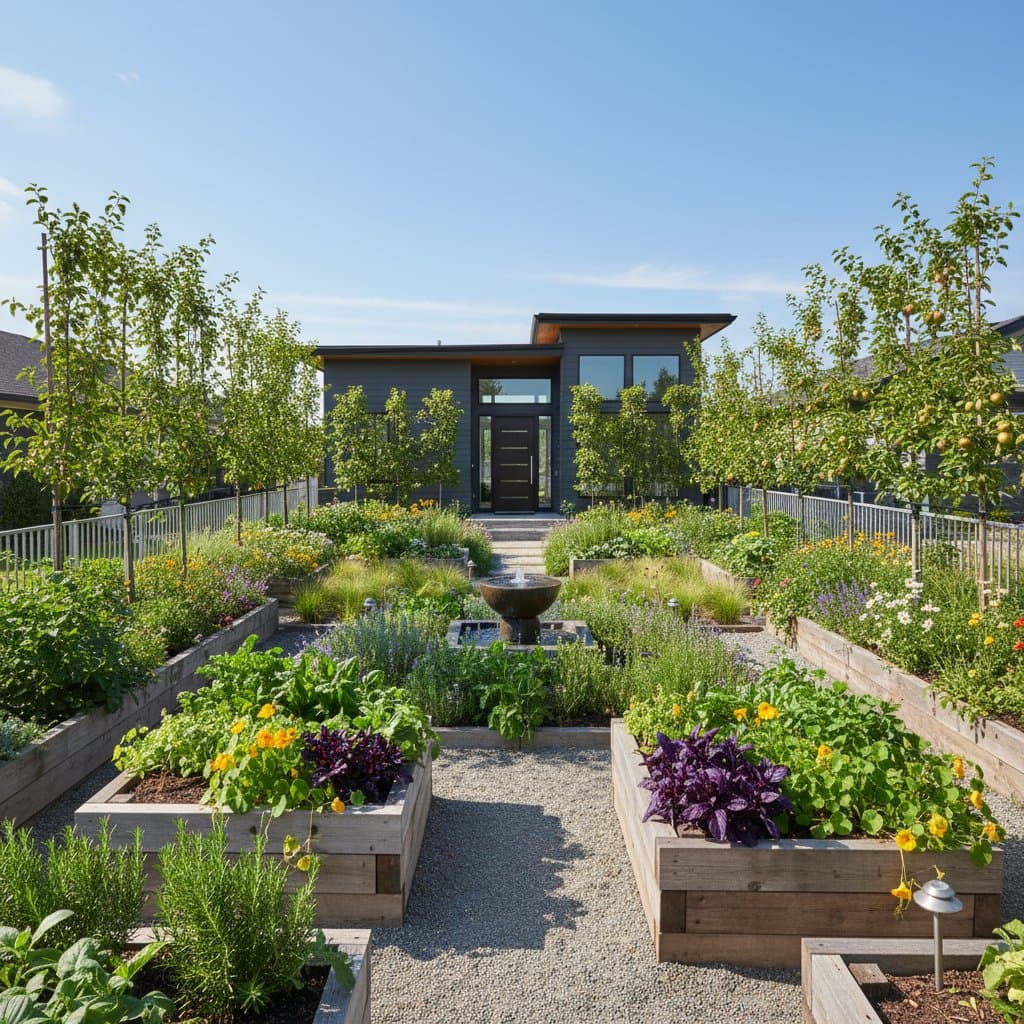
HOAs Embrace Edible Front Yard Gardens for Enhanced Curb Appeal
Homeowners associations traditionally considered vegetable gardens in front yards a potential eyesore. Food-producing plants often stayed confined to backyards or hidden raised beds. This perspective shifts rapidly as HOAs acknowledge that edible landscapes match the elegance of traditional ornamental designs. These gardens deliver functionality, environmental benefits, and heightened community allure.
Edible front yards integrate structure, vivid colors, and practical yields. Fruit-bearing shrubs pair with blooming herbs, while raised beds align with native grasses for borders. The outcome creates spaces that spark neighborly discussions and provide fresh harvests throughout the seasons.
Key Features at a Glance
- Location: Suburban and urban neighborhoods
- Size: Small to medium front yards
- Climate Zone: Suitable for diverse regions with adaptive plant selections
- Project Goal: Merge aesthetic appeal with sustainable food production
Step-by-Step Design Guide
1. Establish Defined Zones
Defined zones lend purpose to edible gardens and prevent a scattered appearance. Divide the yard into distinct areas, such as a kitchen garden adjacent to the entry path or a fruit border running parallel to a fence.
This approach streamlines maintenance and simplifies harvesting tasks. For cohesion, repeat materials like gravel paths, stone borders, or cedar-framed raised beds. Consider a compact gravel courtyard with potted citrus trees, complemented by a narrow side strip supporting vertical trellises for beans or cucumbers.
A landscape architect observes, "Zoning provides a clear blueprint. It transforms abundance into an organized, inviting feature."
Visual highlight: A gravel path guides from the entry gate to tidy herb and lettuce beds.
2. Incorporate Ornamentally Trained Edibles
Shaping edible plants into formal forms connects productivity with refined aesthetics. Espaliered fruit trees, precisely trimmed rosemary in conical shapes, or grapevines along structured trellises offer the framework of classic ornamental gardens.
These trained elements optimize space in compact yards. Align simple geometric patterns with the home's architectural style for harmony. For instance, apple trees flat against a white fence replicate the picket rhythm, yielding fruit and evolving seasonal displays.
A gardener notes, "Espalier introduces immediate structure. It signals to neighbors that this represents intentional design, not unchecked growth."
Visual highlight: Espaliered apple branches align with the front fence's repeating pattern.
3. Integrate Layered Lighting for Evening Appeal
Strategic lighting elevates an edible landscape into a welcoming after-dark feature. It positions the garden as an extension of the home's overall design, rather than a mere functional area.
This setup prolongs usability for evening harvests or gatherings. Select warm 2700 K temperatures to produce a gentle, natural illumination, focusing on key structures over individual plants. Install low-voltage lights along raised bed paths and subtle uplights beneath fruit tree canopies for balanced contrast.
A lighting designer comments, "Layered lighting prolongs outdoor evenings with soft, inviting light free of stark brightness."
Visual highlight: Gentle uplights accentuate the silhouette of espaliered fruit trees at dusk.
4. Add Pollinator and Companion Plants
Incorporating flowers that attract pollinators, alongside companion herbs, boosts the success of fruit and vegetable crops. These additions introduce color and texture, softening any perceived utilitarian aspects that concerned HOAs in the past.
Pollinators enhance fruit development and infuse the space with dynamic activity. Blend perennials such as echinacea, yarrow, or lavender amid the edibles to cultivate a supportive ecosystem. Frame vegetable beds with calendula and dwarf marigolds to repel pests while delivering vivid, recurring blooms.
A horticultural consultant states, "Pollinator plants elevate edible gardens' vitality and infuse charm that resonates with every neighbor."
Visual highlight: Lavender and yarrow edge a raised bed brimming with peppers and tomatoes.
5. Prioritize Manageable Maintenance
Design front-yard edible gardens for straightforward upkeep to sustain their appeal. Routine pruning, mulching, and seasonal refreshing preserve neatness and approachability. Drip irrigation systems minimize water consumption and weed growth.
Reliable care keeps the garden in line with HOA expectations and maintains visual order. Incorporate accessible paths for weeding and picking, while avoiding dense plantings to promote airflow. Gravel paths between zones safeguard soil integrity and sharpen boundaries.
A landscape manager advises, "Strategic structure simplifies care. Clean paths and edges ensure the garden conveys ongoing attention."
Experiencing the Benefits Daily
An edible front yard transforms the home environment profoundly. It evolves decorative areas into productive zones that sustain residents and wildlife alike. The routine of nurturing herbs by the entrance or gathering strawberries along the walkway fosters a tangible bond with the surroundings.
These gardens promote self-sufficiency and environmental stewardship. Neighbors often exchange tips on plant care or share surplus produce, strengthening community ties. Over time, the space yields not only nourishment but also a sense of accomplishment and connection to nature.