
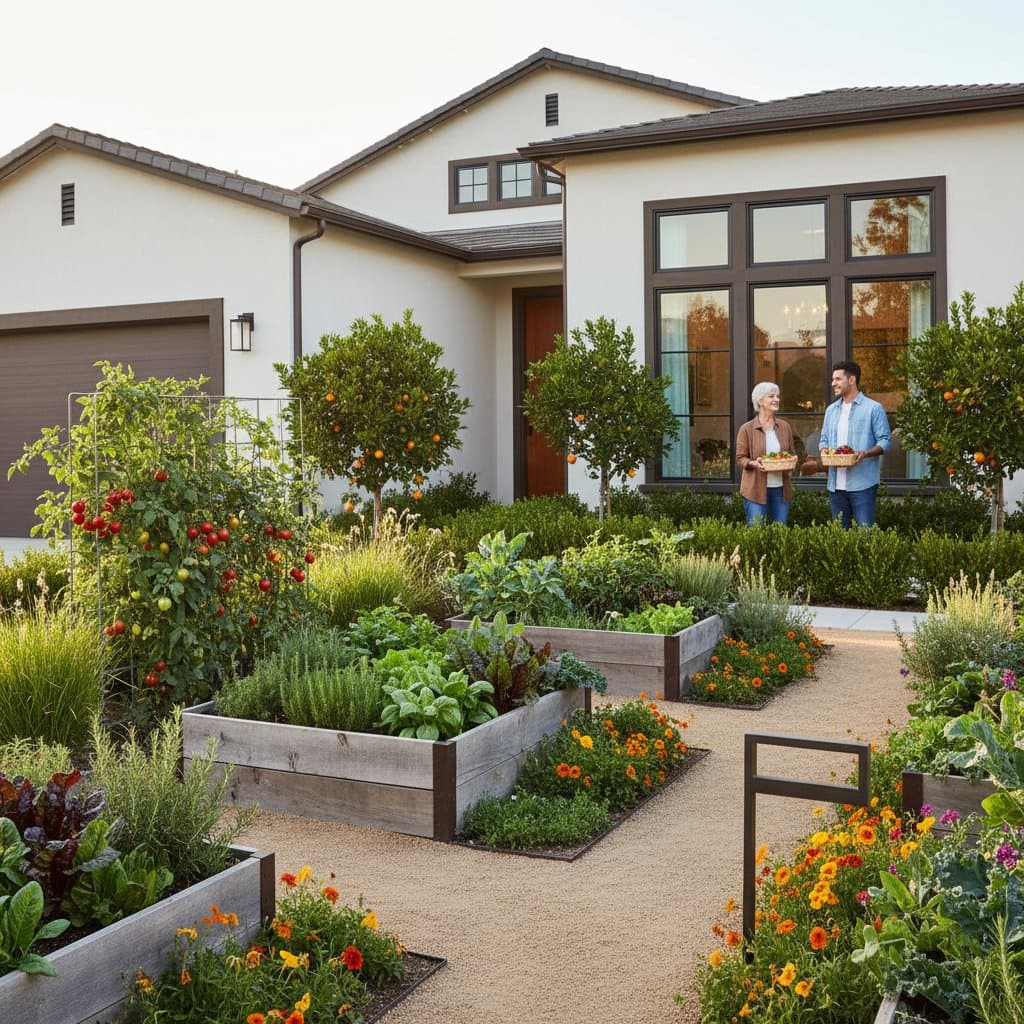
HOAs Embrace Edible Front Yard Gardens: A Sustainable Shift
Homeowners often encounter restrictions when attempting to cultivate vegetables, herbs, or fruits in visible areas of their properties. Homeowners associations traditionally prioritized uniform appearances to safeguard property values and neighborhood aesthetics. However, evolving perspectives on sustainability and resource management are prompting many associations to revise these guidelines, allowing carefully planned edible front yard gardens that harmonize beauty with productivity.
Redefining Front Yard Aesthetics with Edibles
Contemporary edible gardens transcend simple vegetable patches. They incorporate structured elements such as neatly edged raised beds filled with compact varieties like cherry tomatoes or dwarf kale, alongside flowering companions such as nasturtiums that deter pests while adding vibrant color. For instance, a border of lavender and thyme not only provides culinary herbs but also attracts beneficial insects, creating a balanced ecosystem.
These designs elevate the front yard into a showcase of intentional landscaping. Neighbors might exchange recipes inspired by visible harvests, and the overall effect reinforces a sense of shared environmental stewardship. Property owners report increased satisfaction from spaces that serve dual purposes: ornamental display and reliable food source.
Factors Driving HOA Policy Evolution
Associations maintain standards to ensure cohesive community environments. Recent emphases on ecological responsibility and practical innovations have led boards to view edible landscaping as an asset. Drought-resistant selections, such as succulents paired with berry bushes, align with broader goals of reducing water usage in arid climates.
Key influences include:
- Resource conservation: Plants like oregano and citrus trees require far less irrigation than traditional turf grass, supporting municipal water-saving initiatives.
- Design innovation: Techniques such as vertical gardening with espaliered pears or containerized root vegetables maintain tidy profiles that complement existing architecture.
- Social cohesion: Initiatives like community seed swaps or group workshops around edible landscapes build stronger interpersonal bonds.
- Ecological advantages: These gardens minimize chemical inputs, enhance biodiversity through native pollinator plants, and improve stormwater absorption via mulched soil surfaces.
Submitting detailed proposals, including scaled sketches and maintenance schedules, often secures approval. This preparation demonstrates respect for collective standards while highlighting long-term value.
Steps to Create an Approved Edible Garden Design
Approach the project with the precision of traditional landscaping to align with association expectations. Focus on elements that ensure durability and visual consistency.
- Establish clear boundaries: Install low retaining walls or mulched pathways to contain plantings and prevent sprawl.
- Incorporate diverse elements: Combine upright fennel with trailing sweet potatoes for layered interest, ensuring colors like deep green spinach contrast with red-stemmed beets.
- Select for seasonal continuity: Integrate perennials such as rhubarb alongside annuals like radishes to maintain coverage through varying weather.
- Balance heights and forms: Position vining squash on supports at the rear, with foreground fillers like microgreens to avoid obstructing views.
- Introduce artistic features: Use weathered stone urns for herb clusters or arched arbors for climbing peas to add architectural flair.
Professional input from a certified landscape architect can refine these choices, tailoring them to local climate and soil conditions for optimal results.
Navigating the Approval Process Effectively
Initiate dialogue by thoroughly examining current association documents. Schedule a formal presentation with board members, supported by visuals of comparable installations in similar communities. Highlight how the design adheres to guidelines, such as limiting bed heights to under 18 inches for unobtrusive integration.
Address upkeep explicitly: Outline weekly weeding routines, seasonal pruning for fruit espaliers, and organic pest management strategies. Demonstrating foresight in these areas alleviates concerns about ongoing maintenance. In cases of initial resistance, propose a trial period to showcase the garden's positive impact.
Realizing the Rewards of Your Edible Landscape
After gaining clearance and completing installation, monitor growth patterns to adjust watering and fertilization. Regular harvesting encourages continuous production, while sharing surplus produce with neighbors amplifies community goodwill. Over time, these gardens not only supply nutritious yields but also inspire adjacent properties to adopt similar practices.
The transition reflects a broader movement toward resilient, self-sufficient living spaces. Homeowners benefit from fresher meals, reduced grocery expenses, and a deeper connection to their surroundings. Associations that facilitate such changes contribute to vibrant, forward-thinking neighborhoods where sustainability enhances everyday life.