
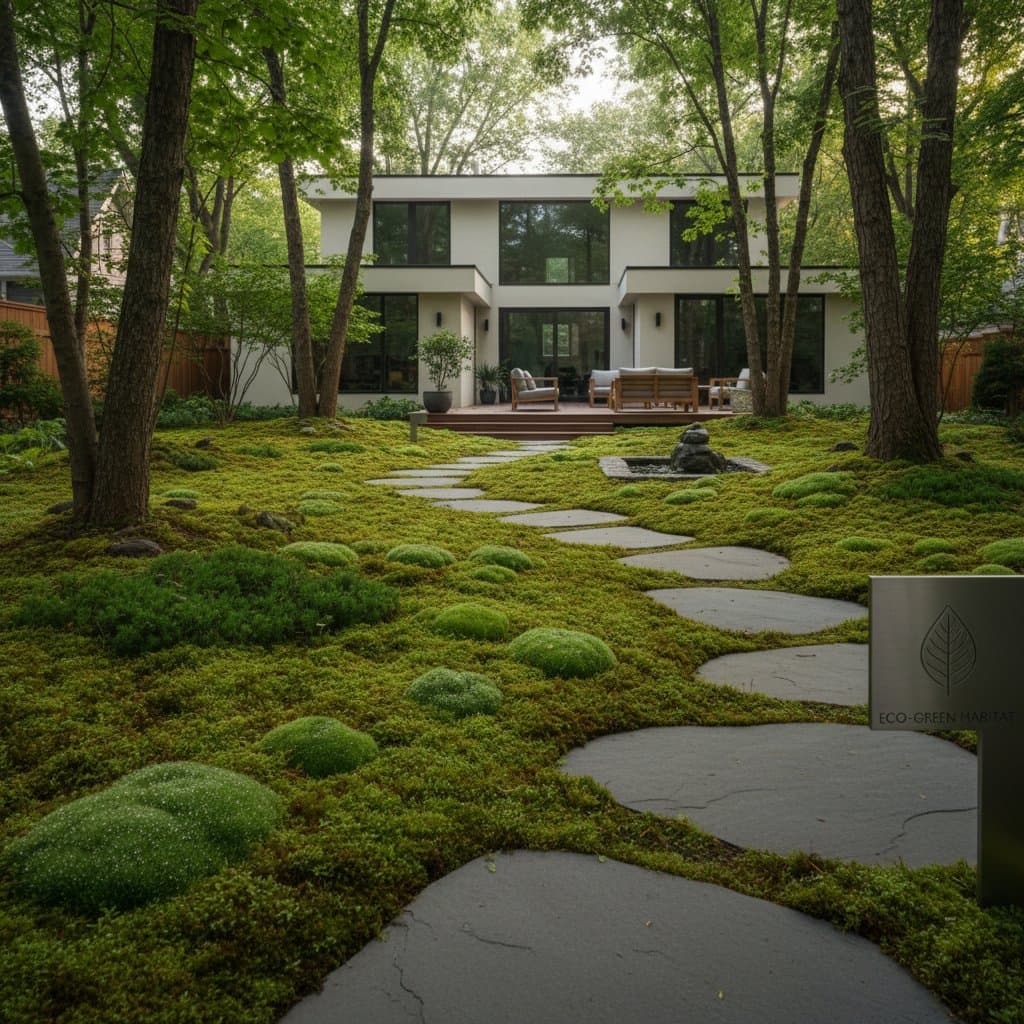
Moss Lawns: A No-Mow Alternative That Saves Up to $800 Annually
Imagine walking barefoot across a soft, emerald carpet that never needs mowing, rarely needs watering, and still looks lush through dry spells. That is the quiet magic of a moss lawn. Once a gardener secret, moss yards now gain attention across California and beyond as a sustainable, low-maintenance alternative to traditional turf. The appeal goes beyond aesthetics. Homeowners report saving hundreds of dollars each year on water, fertilizer, and maintenance.
With the right preparation, a moss lawn can serve as both a design statement and a long-term investment in eco-friendly living.
Why Moss Lawns Are Trending
Rising water costs and time constraints have made many people reconsider the logic of the conventional lawn. Moss lawns offer a living green surface that thrives without mowing or fertilizing. They store moisture naturally, tolerate shade, and require minimal intervention once established. The result is a calm, evergreen surface that suits both modern and naturalistic garden designs.
The viral buzz around moss lawns reflects more than social media hype. In California dry-summer climate, moss provides a practical solution for shaded areas where grass fails. It also fits the growing preference for sustainable landscapes that use fewer resources and chemicals.
The Financial Case: Where the $800 Savings Come From
The financial savings of moss lawns are real and measurable. A typical homeowner spends several hundred dollars yearly on lawn care, including mowing services, fertilizers, herbicides, and water. Replacing turf with moss eliminates most of those recurring costs.
Here is where the savings add up:
- No mowing: No gas, no electric mower, and no weekend noise. That alone can save $200 to $300 yearly.
- Minimal watering: Moss absorbs water efficiently and stays green with natural rainfall or occasional misting. That can reduce household water use by hundreds of gallons, saving another $250 to $400 yearly depending on local rates.
- No fertilizer or chemical treatments: Moss does not need nitrogen, phosphorus, or weed control. This cuts another $100 to $150 from the budget.
- No reseeding or patching: Once moss is established, it spreads gently on its own. Fewer repairs mean fewer trips to the garden center.
Over a few years, those numbers add up to genuine long-term savings, along with a more peaceful, chemical-free outdoor environment.
Understanding Moss: What It Is and How It Grows
Moss is a non-vascular plant. It absorbs water and nutrients directly through its leaves rather than through roots. It thrives in cool, damp, and shaded environments, but certain species can handle partial sun and mild dryness once mature. The key to success is matching the moss species to site conditions.
Common moss varieties for lawns include:
- Sheet moss (Hypnum): Forms dense mats with a velvety texture, ideal for even coverage.
- Cushion moss (Leucobryum): Creates small, rounded mounds that add visual depth.
- Fern moss (Thuidium): Offers a textured, feathery appearance well suited to woodland gardens.
Each type has slightly different moisture and light preferences. A professional landscaper familiar with native mosses can help identify the best species for a particular yard.
Preparing the Site for a Moss Lawn
Preparation is the most important step. Moss will not thrive on compacted or alkaline soil. Start by testing the soil pH. Moss prefers a slightly acidic environment, ideally between 5.0 and 5.5. If the soil is too alkaline, apply a light dusting of sulfur or peat moss to lower the pH gradually.
Follow these basic steps for installation:
- Clear the area: Remove grass, weeds, and debris completely. Moss competes poorly with rooted plants.
- Loosen the soil: Lightly rake or scarify the surface to create texture for the moss to grip.
- Moisten the ground: Dampen the soil before laying moss fragments or sheets.
- Lay the moss: Press moss gently into place, ensuring firm contact with the soil.
- Water lightly: Mist the area daily for the first few weeks until the moss adheres.
Patience is part of the process. Moss establishes slowly, but once settled, it becomes remarkably stable. A few months of careful attention can yield years of effortless beauty.
Maintenance: What No-Mow Really Means
No-mow does not mean no maintenance at all. Moss lawns need occasional care to stay healthy and uniform. Routine tasks include weeding to remove small seedlings or leaves that fall on the moss. They can block light and moisture. Misting during dry spells revives the surface quickly when extended drought causes dormancy. Foot traffic management helps protect high-use areas with stepping stones or gravel paths. Debris removal with a soft broom or hand blower keeps the surface clean without damaging delicate growth.
Once established, these tasks take far less time than mowing, edging, and fertilizing grass. Homeowners often report reclaiming hours each month that used to be spent tending turf.
Design Benefits: Texture, Color, and Calm
From a design perspective, moss lawns add depth and tranquility to outdoor spaces. The even, matte surface reflects light softly, creating a soothing visual effect. In shaded gardens, moss can act as a living carpet beneath ferns, Japanese maples, or azaleas. In modern landscapes, it provides a minimalist base that complements stone, wood, and metal elements.
Moss also pairs beautifully with water features, dry creek beds, or stepping stone paths. Its ability to hug contours makes it ideal for irregular slopes and naturalistic designs. Many California designers use moss to soften transitions between hardscape and planting areas, reducing the need for traditional turf altogether.
Environmental Advantages
Beyond personal savings, moss lawns support broader ecological goals. They require no fertilizers or pesticides, which means less chemical runoff into waterways. They also help regulate surface temperatures and retain soil moisture. Since moss photosynthesizes even in cool, shaded conditions, it continues producing oxygen when grass is dormant.
For homeowners pursuing LEED or sustainable landscape certifications, moss covers can contribute to credits for water efficiency and chemical reduction. Even without formal certification, they represent a tangible step toward responsible land stewardship.
Common Challenges and How to Solve Them
While moss lawns are low-maintenance, they do have some quirks. Understanding potential issues early helps avoid frustration. Too much sun may brown or thin out the moss. Introduce partial shade with shrubs or lattice panels. Poor air circulation can encourage algae growth. Light pruning of overhead branches usually solves the problem. Improper pH discourages moss growth. Adjust with sulfur or organic compost to restore acidity. Heavy debris from frequent leaf drop can smother moss. Regular sweeping keeps it vibrant.
Most of these challenges are simple to fix with observation and gentle care. Over time, moss becomes self-sustaining, adjusting naturally to its environment.
Choosing Between DIY and Professional Installation
DIY installation works well for small spaces or patient gardeners who enjoy hands-on projects. It requires persistence and attention to detail during the establishment phase. For larger lawns or areas with complex grading, hiring a professional can save time and ensure even coverage. Landscape designers with experience in naturalistic or Japanese-style gardens often have reliable moss sources and proven installation techniques.
Professionals can also integrate moss into hybrid designs that include gravel, groundcovers, or native plants. This layered approach provides both ecological balance and visual interest while maintaining low maintenance.
Living with a Moss Lawn
Once a moss lawn matures, it becomes one of the easiest surfaces to live with. It stays green through the seasons, softens the edges of patios and decks, and invites quiet moments outdoors. Many homeowners describe it as a shift in mindset. Instead of constant upkeep, the focus turns to appreciation and observation.
Moss lawns encourage slower rhythms in the garden, where subtle changes in texture and color mark the passing months. They remind us that beauty often comes from restraint and patience rather than constant control. For anyone ready to step away from the mower and toward a more sustainable lifestyle, this living carpet offers both serenity and savings.