
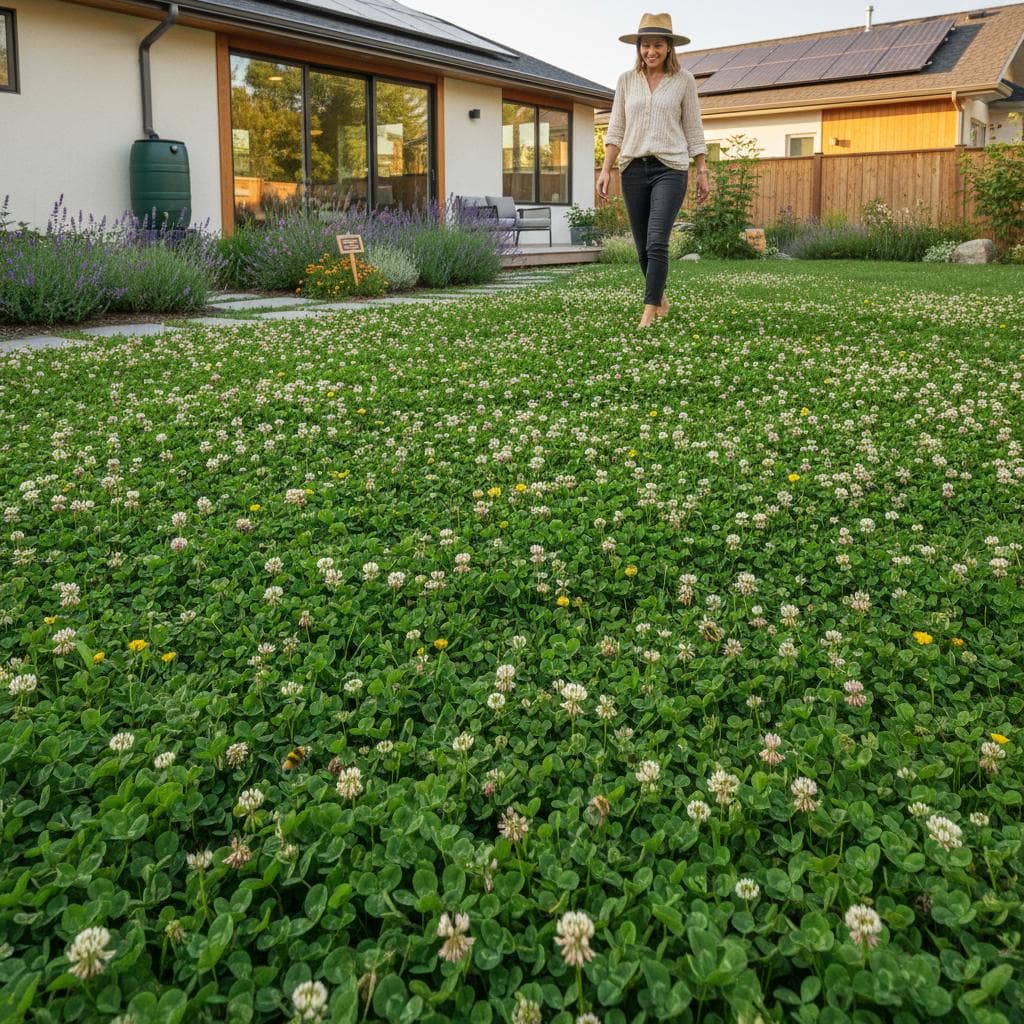
Why Clover Lawns Are Replacing Traditional Grass
A vibrant green lawn often represents homeowner pride. However, sustaining traditional grass demands substantial time, expense, and environmental resources. In California and similar regions, many now opt for clover lawns, which provide enduring appeal with reduced effort. These alternatives deliver resilience and natural elegance suited to contemporary landscapes.
The Shift Toward Smarter Lawns
Traditional grass evokes classic charm yet requires consistent irrigation, fertilizers, herbicides, and mowing. Such demands intensify in areas with extended dry periods. Clover lawns alter this dynamic by maintaining lush coverage with minimal intervention. For those balancing aesthetics and environmental care, clover offers a viable solution.
What Makes Clover Different
As a legume rather than a grass, clover possesses inherent strengths. It captures atmospheric nitrogen and converts it into soil nutrients, bypassing the need for artificial fertilizers. Dense growth shades the ground, limiting weed emergence and herbicide applications. With modest water needs and tolerance for nutrient-poor soils, clover suits sustainable designs.
Popular varieties include white clover, known as Dutch clover, for its reliability. Microclover, featuring finer leaves, mimics a refined turf appearance. Plant either solo or integrate with grass for a hybrid that combines cushioning and strength.
Environmental and Practical Benefits
-
Water Efficiency
Clover demands far less irrigation than typical turfgrasses after establishment. Deep root systems access subsurface moisture, preserving color amid droughts. In water-scarce zones, this efficiency proves invaluable. -
Natural Fertilization
Grass lawns rely on nitrogen supplements for vitality. Clover fixes nitrogen biologically, nourishing itself and nearby plants. This process yields healthy greenery while curbing chemical runoff into soils and streams. -
Fewer Weeds
Clover forms a thick mat that blocks weed germination. Its lateral spread occupies space rapidly, deterring intruders. -
Low Mowing Frequency
Clover reaches a compact height of several inches. Mow every two to four weeks, or skip entirely if desired. This approach conserves fuel, reduces emissions, and frees time for leisure. -
Pollinator Support
Clover flowers draw bees and helpful insects. Such habitats aid pollinator recovery. Opt for microclover to limit blooms while retaining ecological value.
Aesthetic and Lifestyle Appeal
Clover provides a plush texture ideal for bare feet or relaxed gatherings. Subtle color and leaf variations lend organic depth to the yard. In mild climates like California's coast, it retains greenery year-round.
Design integration enhances its versatility. Pair clover with gravel paths, water-wise perennials, or indigenous flora. It complements rain capture systems, porous surfaces, or fruit-bearing plants in broader eco-plans.
Addressing Common Concerns
Homeowners may pause due to outdated views. Consider these clarifications:
-
Will it stain clothing?
Contemporary clovers, particularly microclover, resist staining thanks to compact leaves and reduced sap. -
Does it attract bees?
Flowers invite bees, yet these insects pose little risk if left alone. Mow prior to blooming in high-traffic spots to minimize encounters. -
Does it look messy?
Occasional trimming yields a neat finish. Microclover delivers a smooth, grass-like uniformity. -
Will it survive foot traffic?
Clover handles everyday use effectively. For intense areas, mix with durable grasses or add stone accents.
Installation and Care Tips
Establish clover simply by seeding into current turf or bare ground. For existing lawns, mow short, rake to reveal soil, then scatter seeds uniformly. Irrigate lightly until sprouts appear. Prepare new sites by tilling soil and blending seeds with sand for precise coverage.
Initial watering should occur frequently but sparingly. Taper off as roots develop. Favor nutrient-sparse conditions; excess fertilizer disrupts balance. Remove early weeds manually to protect young plants.
Clover rebounds from minor damage independently. Reseed sparse areas as needed. Annual spring overseeding ensures thickness, though far less often than with grass.
Economic and Long-Term Benefits
Clover reduces ongoing expenses through lower water and supply costs. Maintenance savings accumulate quickly, preserving curb appeal. It rebounds swiftly from stress, avoiding costly overhauls.
In shared or commercial spaces, clover eases budget constraints. Its durability supports enduring, low-overhead greenery for residences and public areas alike.
Embracing the Rewards of Clover
An established clover lawn embodies mindful living. It remains cool, resists fading, and fosters wildlife alongside human enjoyment. California residents discover that such choices blend practicality with refined style.
Steps to a Thriving Clover Landscape
Adopting clover reimagines yard potential. This plant enriches earth, preserves resources, and aids biodiversity. Homeowners gain ease and fulfillment from landscapes that flourish independently.