
New Rain Sensor Law: Check Your Sprinkler Compliance Now
When the Rivera family decided to upgrade their landscaping, they wanted a system that looked fresh and functioned responsibly. Their priority was water efficiency. They soon learned that their local regulations now required rain sensors on all automatic sprinkler systems.
Meeting that standard became the center of their project. It reshaped how they thought about irrigation and conservation. Their experience reflects what many homeowners and property managers face today.
With new rain sensor laws taking effect, irrigation systems that once seemed efficient may now need updates to stay compliant. The goal is simple. Stop sprinklers from running during rain and reduce water waste across neighborhoods.
Why Rain Sensors Matter
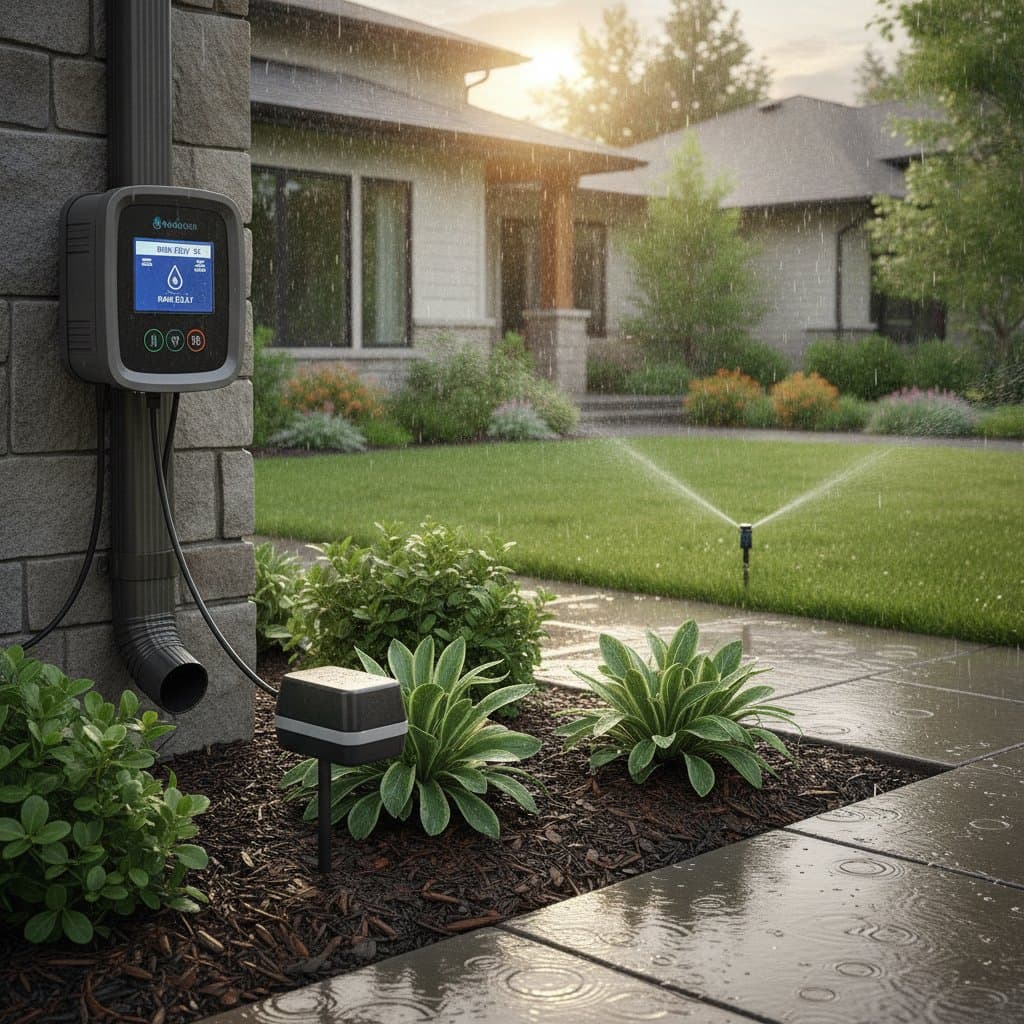
Rain sensors are small devices, usually mounted on a roofline or fence post. They detect rainfall and automatically pause irrigation when nature provides enough water. They prevent waste, reduce runoff, and protect soil structure.
A functioning sensor can save hundreds of gallons over a single season. This adds up quickly for communities struggling with limited water supplies. Landscape designer Sofia Martinez explained, "People often assume their sprinkler timer knows when to stop, but it does not. Without a sensor, the system will water right through a storm."
These devices are not only practical but also now legally required in many areas. The intent is to bring consistency to water conservation efforts. Whether you manage a home garden or a commercial landscape, your system must be equipped with an operational rain sensor or a smart controller that performs the same function.
The Rivera Property Upgrade
The Rivera property included mature trees, a vegetable garden, and a mix of lawn and ornamental beds. Their old sprinkler system had been installed long before water regulations changed. It used a basic timer with no feedback or weather response.
During rainy weeks, the sprinklers ran anyway. They often flooded planting beds and wasted water. When the family learned about the new rain sensor requirement, they chose to upgrade the entire control system.
The design team started by mapping existing irrigation zones and assessing coverage. They found several mismatched sprinkler heads and uneven water pressure. The solution combined compliance with a full performance improvement.
The Design Plan
The new system used a smart irrigation controller with wireless connectivity. This controller integrates with a compact rain and freeze sensor mounted on a shaded section of the roof. It automatically suspends watering when it detects rainfall above a set threshold.
The device then resumes irrigation only after conditions dry out. This prevents overwatering. The system also divides the yard into separate zones.
- Lawn zone: Pop-up rotary heads with pressure regulation.
- Shrub zone: Drip tubing hidden under mulch for targeted watering.
- Garden beds: Adjustable micro-spray heads for flexible coverage.
Each zone now receives water based on plant type, soil conditions, and exposure to sunlight. The new arrangement not only meets legal standards but also supports healthier growth.
Maintenance and Testing
Even the best rain sensors need occasional attention. Dust, leaves, and spider webs can block the sensing mechanism. A quick inspection before each watering season keeps your system compliant and efficient.
Follow these steps for routine maintenance:
- Check the sensor housing for debris or insect nests.
- Confirm the connection between the sensor and controller is secure.
- Trigger the sensor manually to confirm the system pauses irrigation.
- Replace batteries in wireless models once a year.
- Test after heavy storms to verify accurate reactivation once conditions dry.
Homeowner Daniel Rivera said, "We thought a rain sensor was just another gadget, but it has been the easiest part to maintain. It keeps us from forgetting to turn off the sprinklers when it rains."
Combining Conservation with Performance
While the law focuses on compliance, the larger benefit is long-term water savings. A properly calibrated rain sensor can reduce irrigation use by up to a third, depending on climate and landscape type. That translates into lower water bills and less runoff into storm drains.
The Riveras noticed improved plant health as well. Overwatering had previously led to shallow roots and fungal growth in their lawn. With the new system, deeper roots developed, and turf recovery improved.
The soil now retains moisture more evenly because watering happens only when necessary. Landscape designer Martinez said, "The goal is not just to follow the rule. It is to help the landscape respond naturally. Once homeowners see the difference, they rarely want to go back to manual timers."
The Broader Water Picture
Rain sensor laws are part of a larger effort to manage water responsibly. Many regions face reduced reservoir levels and changing weather patterns that strain municipal supplies. Automatic sprinklers, while convenient, have historically wasted enormous amounts of water.
By requiring rain sensors, local governments encourage smarter use without restricting homeowners ability to maintain attractive landscapes. The shift also influences design trends. More landscapes now combine drought-tolerant plants with efficient irrigation methods.
Drip systems and smart controllers are replacing traditional spray zones. They turn conservation into a design standard rather than an afterthought.
Routine Advantages After Upgrade
For the Riveras, compliance turned into a daily benefit. Their new sprinkler system practically runs itself. It adjusts to the weather without constant monitoring. The rain sensor has become an invisible but essential part of their routine.
When storms roll through, the sprinklers stay silent. The family knows their garden is being watered only when needed. Smart irrigation is no longer a luxury feature. It is a standard expectation that matches environmental responsibility with everyday convenience.