
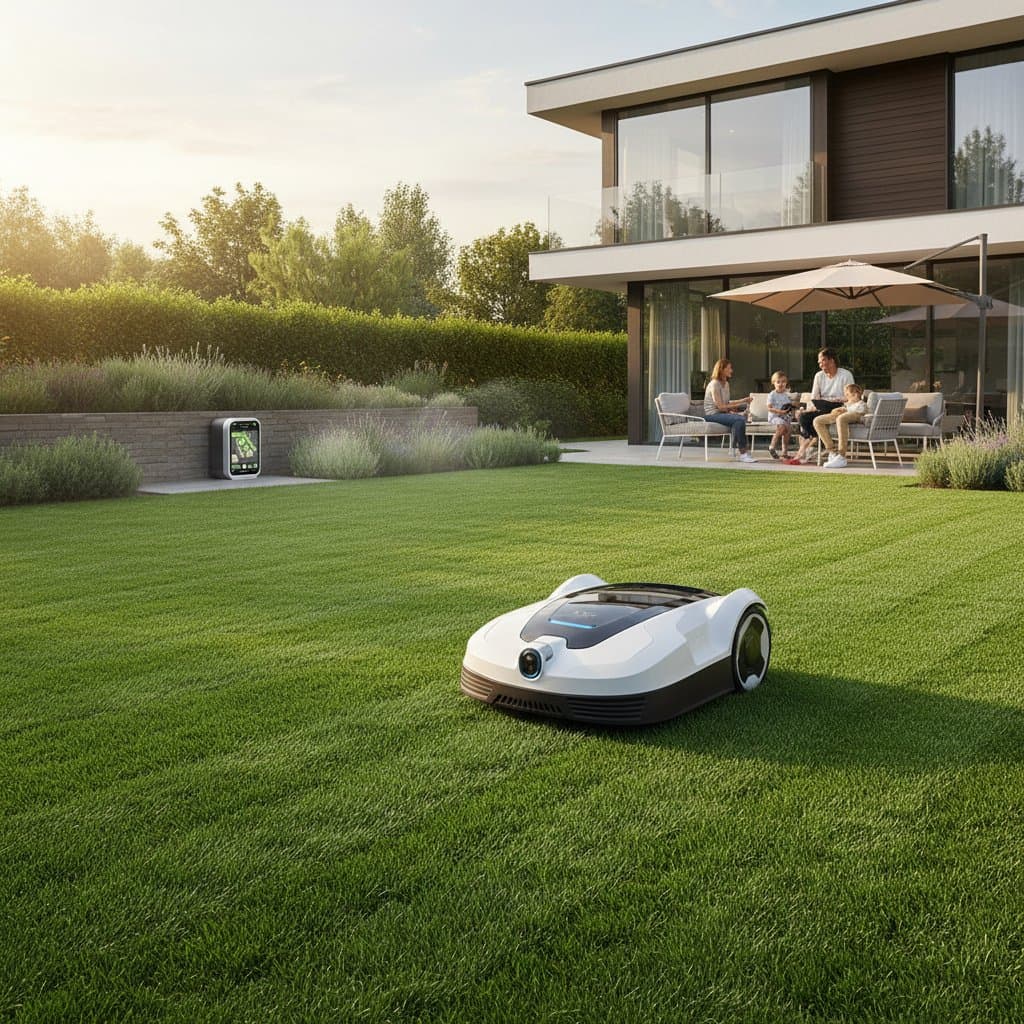
Robotic Mowers: The Emerging Standard for Suburban Lawn Care
Robotic mowers represent a subtle yet profound shift in residential landscape maintenance. These devices, once considered experimental gadgets, now integrate seamlessly into suburban routines. They deliver precise cuts, promote environmental sustainability, and minimize homeowner involvement, allowing yards to thrive with minimal intervention.
Advancements in navigation technology and energy efficiency position robotic mowers as essential tools by 2026. Homeowners benefit from healthier turf and reclaimed leisure time, while professionals appreciate the consistency these machines provide. As adoption grows, suburban landscapes evolve into efficient, intelligent spaces that prioritize both aesthetics and practicality.
1. Define the Lawn Boundaries
Effective boundary definition forms the foundation of robotic mower operation. Traditional boundary wires or advanced virtual mapping systems guide the device within designated areas. This initial step prevents overreach into flower beds or driveways, ensuring targeted coverage.
Functional benefit: Precise boundaries minimize mowing errors and reduce the frequency of manual adjustments.
Design insight: Well-defined edges contribute to a structured yard layout, accentuating features like walkways or seating areas.
Example: Install a subtle border of decomposed granite along turf edges to delineate zones while facilitating water runoff.
Landscape professionals emphasize that defined perimeters instill order in the garden. Such clarity results in a lawn that maintains a groomed appearance effortlessly.
2. Select the Appropriate Mower Model
Choosing a robotic mower requires consideration of yard size, terrain, and desired features. Models vary in cutting width, battery life, and compatibility with smart ecosystems. Evaluate coverage capacity and obstacle-handling capabilities to match specific needs.
Functional benefit: A suitable model optimizes performance and extends equipment longevity.
Design insight: Opt for compact units in smaller yards to preserve open sightlines and integrate with existing hardscapes.
Example: For a half-acre lot with mild slopes, select a model with all-wheel drive and a 10-inch cutting deck for uniform results.
Experts recommend testing models in similar environments before purchase. The right selection ensures the mower aligns with both practical demands and visual harmony.
3. Plan Charging and Storage Locations
Strategic placement of the charging dock enhances operational efficiency and aesthetic appeal. Position it near an electrical outlet, protected from weather elements, and accessible without obstructing pathways. This setup supports uninterrupted cycles.
Functional benefit: Convenient docking prevents downtime and safeguards the unit from environmental damage.
Design insight: Blend the station into the landscape using native plantings to maintain a cohesive outdoor environment.
Example: Conceal the dock behind a low hedge of boxwood near the garage, ensuring clear access for the mower.
Residential designers note that thoughtful integration keeps technology unobtrusive. The dock then supports the yard's natural flow rather than disrupting it.
4. Integrate with Smart Home Systems
Many robotic mowers connect to home automation platforms for remote control and scheduling. Link the device to weather apps or voice assistants to adjust operations based on conditions. This connectivity elevates basic mowing into a responsive system.
Functional benefit: Automated adjustments avoid mowing during rain, preserving lawn quality and equipment.
Design insight: Use app-based zoning to customize care for high-traffic areas versus ornamental sections.
Example: Program the mower to focus on play zones during weekdays and ornamental edges on weekends via a central hub.
Technology specialists highlight the value of seamless integration. Such features transform maintenance into an intuitive extension of daily life.
5. Embrace Mulching for Soil Enrichment
Mulching functionality distinguishes robotic mowers by recycling grass clippings directly into the soil. Fine blades produce small particles that decompose rapidly, providing natural fertilization. This process supports robust root growth without additional inputs.
Functional benefit: It eliminates clippings collection and cuts down on fertilizer use, streamlining upkeep.
Design insight: Pair mulching with seasonal soil amendments to foster diverse turf varieties.
Example: In a fescue lawn, combine daily mulching with spring aeration to achieve dense, resilient coverage.
Horticulturists praise this method as a cornerstone of sustainable care. The result is a vibrant lawn that sustains itself over time.
6. Schedule Mowing Routines
Establishing a consistent schedule maximizes the mower's effectiveness and lawn health. Frequent, light cuts prevent stress on the grass and promote even growth. Adjust patterns to align with seasonal changes and usage patterns.
Functional benefit: Regular sessions maintain optimal height and reduce weed invasion.
Design insight: Vary schedules to highlight yard features, such as shorter cuts near borders for definition.
Example: Set daily 30-minute sessions in summer, extending to bi-weekly in cooler months for cool-season grasses.
Site planners advise viewing scheduling as part of the yard's rhythm. This approach ensures the landscape remains vibrant year-round.
7. Manage Transitions and Obstacles
Yards feature varied elements like paths, slopes, and plantings that require careful navigation planning. Smooth transitions facilitate reliable movement, avoiding jams or uneven cuts. Design elements should accommodate the mower's path.
Functional benefit: Clear routes decrease intervention needs and ensure comprehensive coverage.
Design insight: Employ edging that allows wheel passage, enhancing both function and form.
Example: Flush-mount brick pavers along garden borders permit seamless traversal while defining spaces.
Planners compare the mower to a routine visitor requiring guidance. Effective management yields a cohesive, low-effort yard.
8. Perform Routine Maintenance
Regular upkeep keeps the robotic mower performing at peak levels. Clean blades, check batteries, and inspect sensors periodically to address wear. Simple tasks prevent performance declines and extend service life.
Functional benefit: Proactive care avoids breakdowns and maintains cutting precision.
Design insight: Schedule maintenance during off-peak times to minimize yard disruption.
Example: Wipe down the undercarriage monthly and sharpen blades seasonally to sustain sharp edges.
Product experts stress that diligent maintenance integrates the device fully. It ensures reliability as a yard staple.
9. Prioritize Safety and Security Measures
Built-in safety mechanisms, including tilt sensors and collision avoidance, protect users and the device. Anti-theft options like GPS tracking add peace of mind. These features make automation family-friendly.
Functional benefit: Instant halts upon detection safeguard children, pets, and property.
Design insight: Place monitoring points for visibility, balancing security with aesthetics.
Example: Dock the unit in view of a kitchen window, combining oversight with landscape integration.
Specialists affirm that robust protections build trust in the technology. They enable worry-free incorporation into home life.
10. Monitor Performance and Adjust
Ongoing observation allows fine-tuning of the mower's operation. Track coverage patterns via apps and adapt to yard changes. This feedback loop refines results over time.
Functional benefit: Adjustments address issues like uneven wear or missed spots promptly.
Design insight: Use data to inform landscape tweaks, such as relocating obstacles.
Example: Review app logs quarterly to optimize paths around newly planted trees.
Installation professionals recommend periodic reviews. They enhance the system's alignment with evolving yard needs.
11. Minimize Noise and Environmental Impact
Electric operation ensures these mowers run silently, free from emissions. This quality supports harmonious neighborhoods and green practices. Quiet performance integrates effortlessly into daily surroundings.
Functional benefit: Flexible timing avoids disturbances, accommodating varied schedules.
Design insight: Complement the hush with ambient elements like fountains for sensory balance.
Example: In a yard with native perennials, the mower's whisper enhances tranquility.
Architects view silence as integral to design. It elevates maintenance to an unobtrusive enhancement.
Integrating Robotics into Daily Yard Life
Adopting a robotic mower reshapes suburban outdoor experiences. These devices foster sustainable, attractive spaces that demand little from owners. As technology advances, they promise enduring benefits for landscapes and lifestyles alike.