
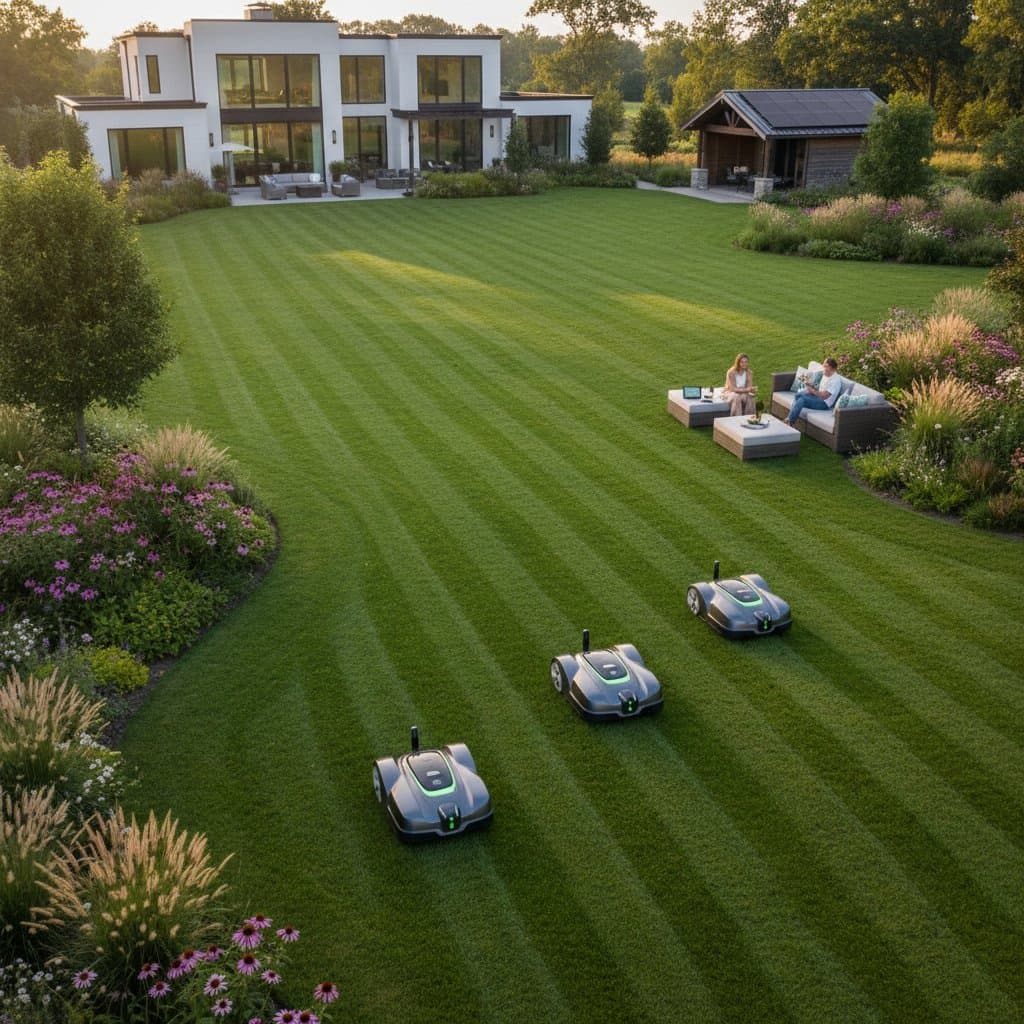
Autonomous Robotic Mowers Handle 2-Acre Lawns Effortlessly
Maintaining a two-acre lawn once demanded extensive time for mowing, refueling, and clearing debris. Contemporary robotic mowers address these challenges by operating independently and reliably. These efficient devices trim grass while homeowners pursue leisure activities, travel, or professional commitments. For owners of expansive properties, robotic mowers provide dependable performance that minimizes physical effort and decreases expenses over time.
Core Mechanisms of Robotic Mowers
Advanced robotic mowers function as self-sufficient landscaping assistants. They establish operational boundaries through perimeter wires or satellite-based navigation systems. Integrated sensors identify and avoid obstacles such as trees, flower beds, or furniture. Intelligent scheduling algorithms optimize mowing patterns to promote uniform grass development.
These mowers perform frequent, shallow cuts rather than infrequent deep trims. This method generates small clippings that naturally decompose and enrich the soil, fostering healthier turf without additional fertilizers. Users set preferences for cutting frequency based on grass type and growth rates, ensuring adaptability to local conditions like California's variable climate.
Battery management represents another key feature. Models automatically return to charging stations when power levels drop, resuming operations after brief recharges. This cyclic approach allows coverage of large areas over extended periods, including overnight sessions if programmed. Consequently, lawns maintain a professional appearance without requiring daily human oversight.
Selecting an Optimal Model for Expansive Properties
Choosing a robotic mower for a two-acre yard involves evaluating several technical specifications to match specific site needs. Consider the following factors to identify a suitable option:
-
Battery Endurance and Coverage Capacity. Seek units rated for at least two acres per full charge cycle. Review manufacturer data on runtime, typically four to six hours, and recharge duration, which should not exceed two hours to avoid prolonged downtime.
-
Navigation Technology. Opt for systems incorporating GPS, RTK (real-time kinematic) positioning, or AI-driven mapping for precise path planning. These technologies excel in navigating irregular terrains, such as sloped hills or areas with scattered obstacles, outperforming basic wire-guided models.
-
Blade Specifications. Prioritize mowers with cutting widths of 20 inches or more to accelerate coverage. Adjustable heights, ranging from 0.8 to 2.4 inches, accommodate varying grass species and seasonal adjustments, preventing scalping or overgrowth.
-
Adaptability to Environmental Conditions. For regions with slopes up to 45 degrees, select models with all-wheel drive and rugged treads. Rain sensors that halt operations during wet weather protect both the machine and the lawn from damage, while IPX-rated waterproofing ensures durability against dew or light showers.
-
Smart Integration Features. Modern units offer app-based controls for real-time tracking, custom zone definitions, and notifications about low battery or boundary breaches. Compatibility with voice assistants or home automation systems enhances usability for tech-savvy users.
Engage a certified installer to assess your property layout. They map out zones, install boundary wires if needed, and test obstacle avoidance around features like patios or pools. This professional setup maximizes efficiency and prevents common issues like missed areas or erratic paths.
Essential Maintenance Practices
Although robotic mowers demand less maintenance than gasoline-powered alternatives, consistent care extends their service life. Perform weekly inspections to remove grass buildup from the undercarriage using a soft brush and mild soap solution. Examine cutting blades for wear; dull edges compromise cut quality and increase motor strain.
Replace blades every two to three months, depending on usage intensity. Most models use standardized, affordable parts that snap in place without tools, taking under five minutes. Additionally, clean sensors with a dry cloth to maintain accurate obstacle detection and boundary adherence.
During extended periods of non-use, such as winter dormancy, store the mower in a dry, sheltered location to shield it from moisture and temperature extremes. Annual professional servicing, including software updates and motor checks, ensures optimal performance. With diligent routines, these devices often endure five to seven years of reliable operation, surpassing many manual mowers in longevity.
Benefits for Sustainability and Daily Life
Robotic mowers contribute to environmentally responsible yard management. Their electric powertrains generate zero on-site emissions and draw power equivalent to a few household appliances per session. The mulching action recycles nutrients directly into the soil, potentially reducing fertilizer applications by up to 30 percent and minimizing runoff into local waterways.
Noise levels remain low, typically under 60 decibels, allowing operation at any time without disturbing neighbors or wildlife. This discretion supports community harmony in suburban settings. Homeowners benefit from reclaimed time; a two-acre mow that once took four hours now requires mere setup and occasional monitoring.
Integration with broader landscape strategies amplifies advantages. Combine robotic mowing with drip irrigation systems to optimize water use, or pair it with solar-powered lighting for a fully automated outdoor space. These elements create resilient, attractive properties that align with sustainable living principles.
Building a Seamless Landscape System
Incorporating a robotic mower establishes a reliable foundation for yard upkeep. It delivers precise, ongoing care that enhances soil vitality and aesthetic appeal across changing seasons. Complement the system with drought-resistant grasses and permeable pathways to foster a balanced ecosystem. The outcome is an enduring outdoor haven that demands little intervention, freeing residents to savor its beauty.