
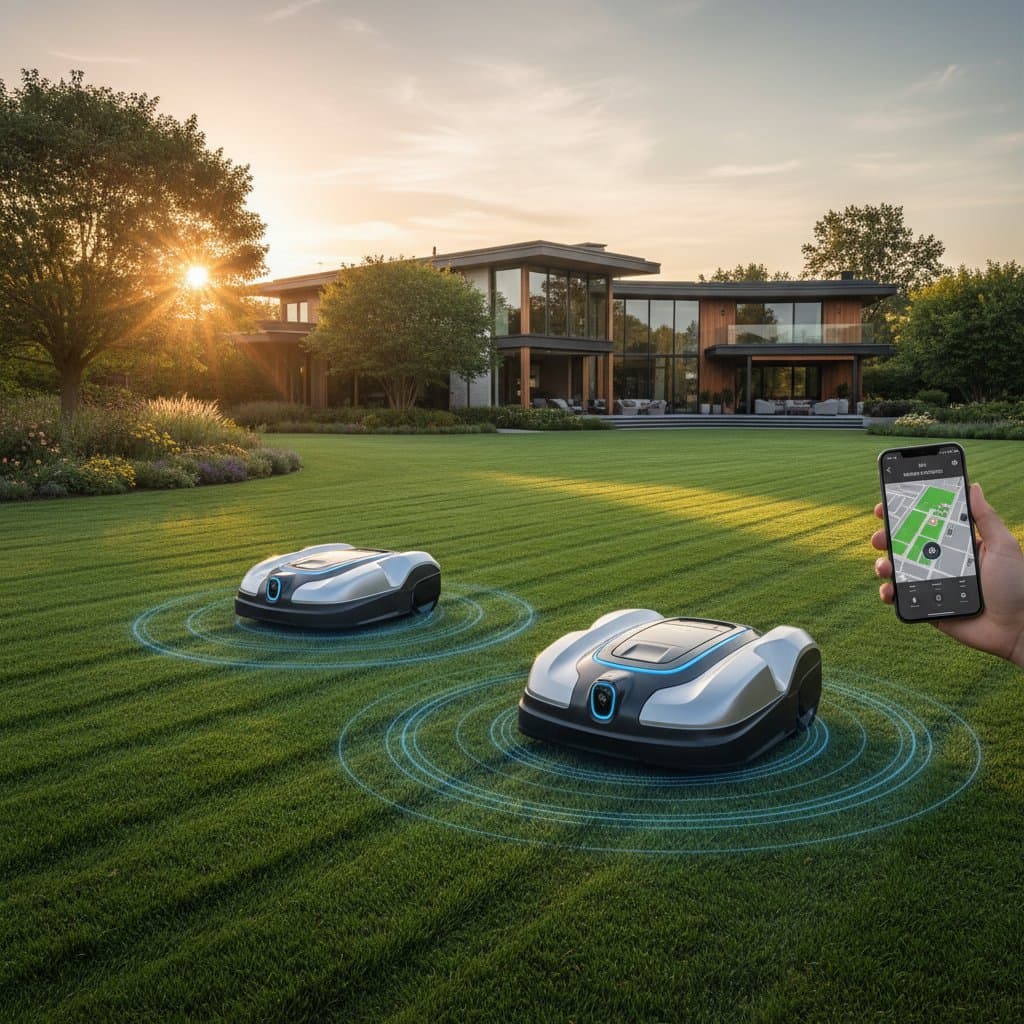
Robotic Mowers Master 2-Acre Lawns with Precision
Maintaining a large lawn requires substantial time and effort. Homeowners often deal with repeated mowing, equipment upkeep, and weather interruptions that hinder optimal grass health. Advanced robotic mowers solve these issues by handling two-acre properties through quiet operation and precise control. These devices transform lawn maintenance into a hands-off process that runs reliably in the background.
Property owners, estate managers, and landscape professionals gain from this technology. It supports sustainable methods, simple controls, and long-term performance in outdoor environments.
Core Mechanisms of Robotic Mowers
Modern robotic mowers combine sensors, digital mapping, and adaptive algorithms. Setup begins with defining the mowing area using an underground boundary wire or GPS-based virtual limits in premium models. The mower then navigates along planned or random routes to cut grass to the desired height.
Essential features include:
- Intelligent Routing: Ultrasonic and infrared sensors work with mapped data to create efficient paths and reduce wasted movement.
- Self-Charging System: The mower senses low battery and returns to its docking station for a recharge, resuming work automatically.
- Environmental Sensors: Operations pause during rain or excessive humidity to protect the unit and avoid damage from wet grass clippings.
- Mobile Integration: Users schedule sessions, track activity, and adjust preferences through apps or smart home systems.
- Collision Avoidance: Blades stop instantly when proximity sensors detect obstacles, pets, or individuals.
In expansive areas, multi-unit systems coordinate through wireless networks. They divide the lawn into zones for complete coverage with fewer overlapping runs.
Selecting an Optimal Robotic Mower
Picking the right robotic mower for a two-acre lawn involves assessing terrain, layout, and usage patterns, not just area size. Factors like slopes, obstacles, and daily requirements shape the choice.
Key Considerations
- Gradient and Surface: Choose models with all-wheel drive and strong motors for hilly or uneven ground to ensure steady operation.
- Barriers and Divisions: Consider fences, gardens, or pathways; select mowers with adjustable boundaries or multi-zone functions.
- Power Endurance: Look for high-capacity batteries that enable extended runtime or quick charging to cover large spaces without breaks.
- Blade Span and Adjustment: Opt for broader cutting widths to speed up large jobs, and adjustable heights to match seasonal grass growth.
- Interface Options: Evaluate if full app connectivity fits your setup, or if simpler remote controls meet basic needs.
Work with a certified landscaper or automation expert for proper integration. They evaluate how the mower pairs with elements like irrigation timers or edge lighting for optimal results.
Practical Implementation in California Landscapes
California's focus on water conservation positions robotic mowers as a smart option for modern yard care. Precise trimming reduces soil evaporation, and clippings left as mulch help lock in moisture.
Coastal homes face salt air exposure, so select mowers with sealed housings and corrosion-resistant parts to endure harsh elements. In dry inland zones, prioritize dust-proof designs and cooling features for reliable performance.
Pair these mowers with drought-tolerant plants and efficient irrigation. This setup creates resilient landscapes that require little attention, supporting outdoor enjoyment throughout the seasons.
Steps to Implement Robotic Mowing
Start by mapping your property in detail. Record lawn measurements, note slopes, and mark permanent structures such as walls or trees. Consult a local specialist who understands regional soils and climate to suggest fitting models.
For installation, place the charging base in a protected area close to power. Run test cycles to confirm boundary detection and route mapping. Give the system one to two weeks of operation to optimize its patterns.
Adjust settings over time, including cut height for various grass types or frequency based on sun and rain patterns. Sharpen blades every two to three months to deliver sharp cuts that encourage strong growth.
Results emerge quickly. Grass stays even and healthy, edges remain crisp, and owners reclaim hours for other activities. The quiet performance blends into daily life until the pristine lawn becomes evident.
For rental properties or vacation homes, automation maintains professional appearances consistently. It reduces reliance on manual labor or variable schedules, cutting costs and risks.
Enhancing Landscapes Through Robotic Precision
Robotic mowers fit into the rise of smart outdoor systems, much like adaptive irrigation or sensor-based lighting. They deliver consistent, informed care to turf management.
This method goes further than convenience. It builds yards that align with lifestyles, promote environmental health, and keep aesthetics sharp amid weather shifts. Investing in the right robotic mower guarantees reliable upkeep for a two-acre lawn with minimal effort.