
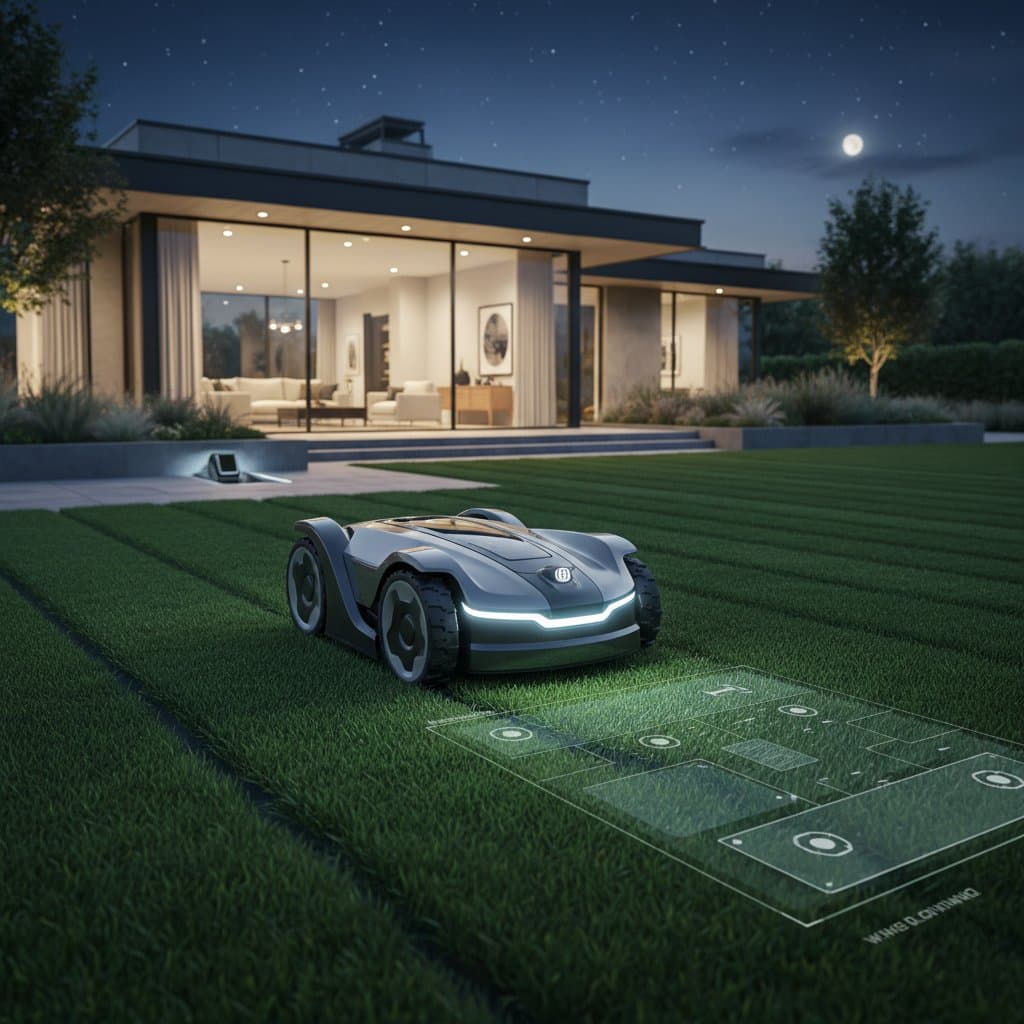
Effortless Lawn Care: How Robotic Mowers Maintain Your Yard Overnight in 2026
A well-maintained lawn enhances any property, yet traditional upkeep often requires significant time and effort. Robotic lawn mowers address this challenge by operating independently to keep grass at an ideal height. Equipped with advanced sensors, these devices navigate yards effectively, adapting to weather conditions and terrain while promoting healthier turf through precise, frequent cuts.
Key Overview
Suitable Areas: Residential lawns and small commercial properties
Coverage Capacity: Compact urban gardens up to half-acre suburban plots
Ideal Climates: Temperate, warm, and transitional zones
Primary Objective: Deliver uniform, low-effort lawn maintenance with reduced manual intervention
1. Explore the Mechanics of Robotic Mowers
Robotic mowers function similarly to automated indoor cleaners, but they focus on grass trimming rather than debris removal. They employ sensors, boundary markers, and digital mapping to traverse the yard systematically. Traditional models use perimeter wires installed underground, whereas advanced units leverage GPS and vision systems to establish virtual boundaries without invasive setup.
These devices slice grass in thin layers, dispersing clippings as organic mulch that enriches the soil. Frequent light cuts foster denser turf and minimize reliance on chemical fertilizers. Continuous operation curbs excessive growth and spares homeowners from intensive seasonal mowing sessions.
Practical Tip: Select a model suited to your yard's contours, including slopes up to 35 percent and obstacles like flower beds. For intricate layouts, opt for units with modular decks that adjust width or omnidirectional wheels for tight turns.
Illustration: GPS-enabled mowers systematically address segmented areas, such as front and back yards separated by patios, ensuring complete coverage without encroaching on sensitive plantings.
2. Define Mowing Zones for Optimal Performance
Segmenting the yard into distinct zones streamlines the mower's path and prevents oversight of irregular sections. Clear divisions enhance efficiency and battery conservation in multifaceted landscapes.
Incorporate natural dividers like stone walkways or border plantings to delineate areas, combining visual appeal with operational clarity. A compact front lawn could form a single zone, while an expansive backyard divides into sub-areas for targeted schedules.
Effective zoning reduces navigation time, allowing more focus on actual trimming, much like customized routines in professional estate management.
3. Select Essential Smart Capabilities
Contemporary robotic mowers include features like weather detection and app integration, but prioritize those aligned with your specific yard demands for reliable operation.
Rain sensors halt activity during precipitation to avoid soil compaction, while moisture monitors adjust for damp conditions. Variable cutting directions distribute wear evenly across the turf.
App controls enable weather-responsive scheduling, such as postponing runs post-rainfall to maintain cut quality.
Smart functionality hinges on real-time environmental feedback, ensuring the device responds intuitively to lawn conditions beyond mere remote commands.
4. Incorporate the Mower Seamlessly into Your Yard Design
Integrate the robotic mower to complement rather than disrupt the landscape's aesthetics. Strategic placement of the charging station and zone transitions supports uninterrupted functionality.
Position the dock in a sheltered spot, such as adjacent to a tool shed, for swift recharges and unobtrusive access. Screen it with native shrubs or lattice panels to preserve garden harmony while facilitating airflow.
Discreet integration maintains the yard's natural character, emphasizing greenery over equipment.
Design Highlight: Embed the base on a subtle concrete slab amid perennials for both concealment and practicality.
5. Maintain Blades and Adjust Heights for Peak Results
Regular upkeep ensures the mower delivers crisp, healthy cuts that bolster grass resilience against pests and stress.
Sharpen blades quarterly based on usage to avoid ragged edges that invite disease. Raise cutting levels by 25 percent in summer to protect roots from heat.
Seasonal adjustments promote vigorous growth, with taller settings in dry periods conserving moisture.
Proper maintenance yields groomed lawns comparable to expert services, requiring only periodic checks.
6. Integrate Robotic Mowing with Sustainable Practices
Pair the mower with holistic lawn strategies to amplify its benefits, fostering a resilient ecosystem.
Aerate soil annually and apply compost to enhance nutrient absorption, supporting even growth for smoother mowing. Native grass varieties like fine fescue thrive under frequent cuts, demanding fewer inputs.
This synergy aligns automation with ecological principles, creating self-sustaining turf that recovers quickly.
7. Address Edges for a Polished Finish
Robotic mowers excel in open areas but require boundary planning to achieve uniform trimming along perimeters.
Install durable edging, such as recycled plastic strips or brick borders, positioned 2 inches from fences to permit close passes without snags. A mulch strip along walls facilitates safe navigation and deters weed invasion.
Precise edges elevate the overall appearance, transforming automated care into a refined outcome.
8. Establish Efficient Scheduling Routines
Program the mower for consistent yet adaptable cycles to support steady grass health and operational longevity.
Run sessions three to four times weekly, targeting cooler hours to minimize evaporation and battery strain. Alternate zones to balance coverage and allow recovery time.
Structured timing integrates technology with natural growth patterns, yielding vibrant, even lawns.
9. Leverage Connectivity for Informed Management
Utilize built-in data tools judiciously to refine performance without overwhelming daily routines.
Track metrics like coverage completeness and power consumption via the app to optimize paths. Set notifications for maintenance alerts, such as low battery or blade wear.
Targeted use of these features ensures proactive adjustments, maintaining yard standards effortlessly.
10. Embrace Time-Saving Benefits for Outdoor Enjoyment
Robotic mowers liberate weekends for leisure, operating silently to deliver pristine results.
Combine with automated watering systems or solar path lights for a comprehensive, hands-off setup. A flawlessly tended lawn enhances gatherings on decks or in seating areas.
This approach cultivates serene spaces where innovation supports relaxation.
Sustaining Your Automated Lawn Routine
With proper setup, the robotic mower integrates into daily life, quietly nurturing the yard through cycles of growth and renewal.
Homeowners gain reliable, eco-conscious maintenance that elevates property value and personal well-being. This blend of precision engineering and thoughtful design redefines outdoor stewardship for modern living.