
Are Robotic Lawn Mowers Worth Investing In Today?
Picture a weekend morning when the lawn is freshly trimmed and the air smells clean. You did not lift a finger to achieve that result. Robotic lawn mowers have moved from novelty items to practical garden equipment. Homeowners now reconsider traditional lawn care routines after examining performance, cost, and long-term value.
How Robotic Mowers Operate
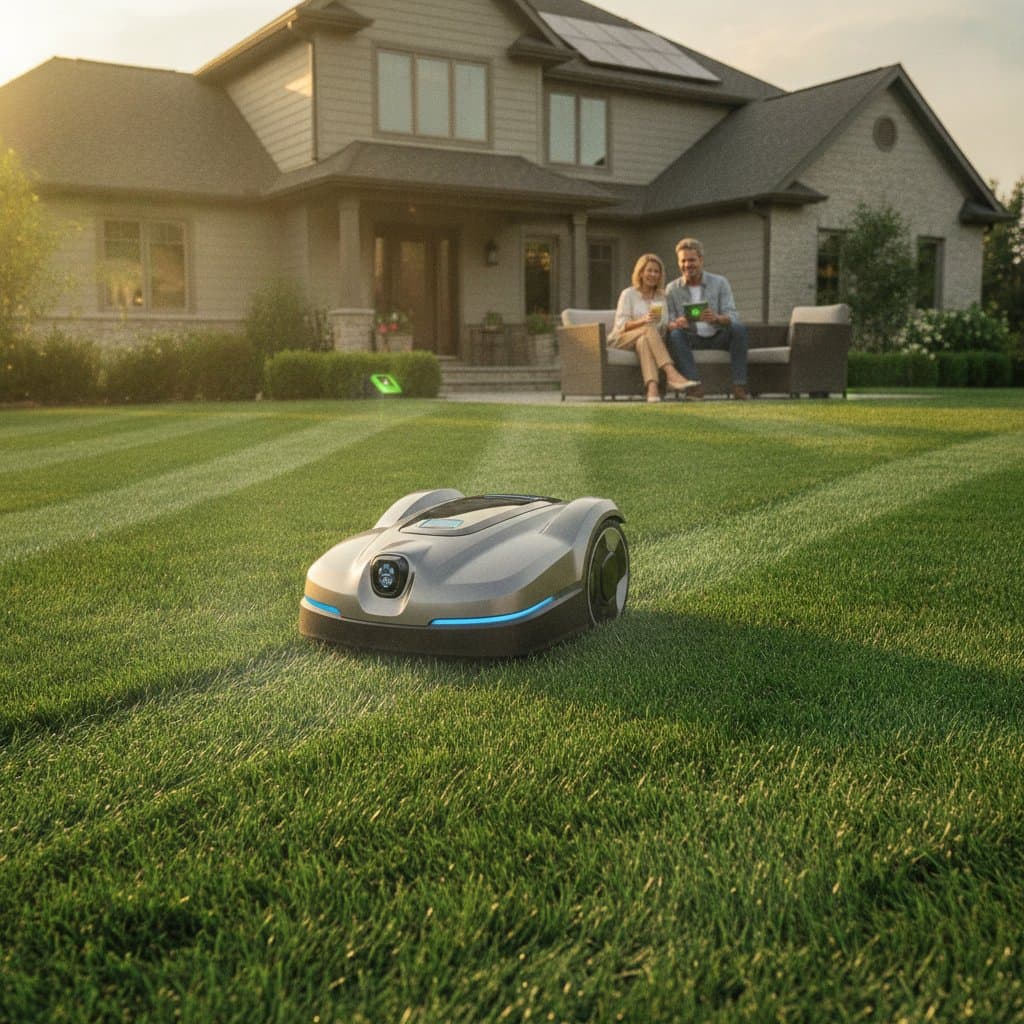
A robotic lawn mower functions similarly to a robot vacuum. It uses sensors and programmed boundaries to move through the yard. After installation the machine trims grass on a schedule and returns to its charging base when the battery runs low. Newer models rely on GPS mapping or smart sensors instead of perimeter wires.
These mowers cut small amounts of grass frequently. The approach maintains consistent height and supports healthier growth. Fine clippings serve as natural mulch that enriches soil without leaving visible debris. Homeowners gain an eco-friendly method that conserves energy and water.
Key Benefits to Consider
Robotic mowers alter both mowing habits and the relationship with outdoor space. Primary advantages include the following:
- Time savings occur once the device follows a programmed schedule. Homeowners recover hours previously spent on manual mowing.
- Consistent cutting produces an even surface because the robot operates frequently.
- Quiet motors allow operation at any hour without disturbing neighbors.
- Battery power lowers emissions and reduces operating costs compared with gas models.
- Safety sensors detect obstacles and shut down automatically when the unit tilts.
These features suit smaller to medium lawns where convenience matters most.
Cost Factors and Budget Planning
Robotic mowers require higher initial spending than standard push models. Prices depend on lawn size, terrain, and features such as app control. Installation may involve laying perimeter wires or positioning a base station. Homeowners can complete setup themselves or hire professionals.
Ongoing expenses remain modest. Blade replacement, cleaning, and battery renewal every few seasons represent the main costs. These amounts often total less than fuel, oil, and repairs for gas-powered equipment. Evaluation of total ownership value guides the decision better than focus on purchase price alone.
Common Concerns and Practical Solutions
Homeowners frequently ask about performance on difficult sites. The following points address typical issues:
- Gentle slopes present few problems, yet steep or uneven ground may require models rated for the specific gradient.
- Trees and garden beds need careful boundary planning so the mower avoids restricted zones.
- A narrow strip along edges may remain after mowing. A brief pass with a string trimmer finishes the look.
- PIN locks and GPS tracking deter theft on many current units.
- Weather resistance covers light rain, though storage during extreme conditions protects the machine.
Proper planning reduces interruptions and improves reliability.
Comparison With Traditional Mowers
Gas and electric mowers still handle large or rough properties effectively. They offer direct control that some users prefer. Robotic units shift control to schedules and settings managed through an app. The change appeals to those who value convenience and lower environmental impact. Complex landscapes may still favor traditional equipment for flexibility.
Suitable Applications in Various Settings
Robotic mowers integrate well with drought-tolerant designs in regions such as California. They complement native grasses and efficient irrigation systems. Urban yards benefit from reduced storage needs and lower noise. Suburban properties gain daily maintenance while landscapers address other tasks. Connection to weather sensors creates a coordinated outdoor system.
Steps to Select and Install a Unit
Measure the lawn area and note slopes plus obstacles before purchase. Choose models from established brands suited to local conditions. User reviews from similar properties supply realistic expectations. Decide on self-installation or professional help for the boundary system. After startup, clean the unit regularly, check blades, and watch for app alerts.
A robotic lawn mower suits many but not all yards. Thoughtful selection and routine care deliver sustainable results for homeowners ready to adopt the technology.