
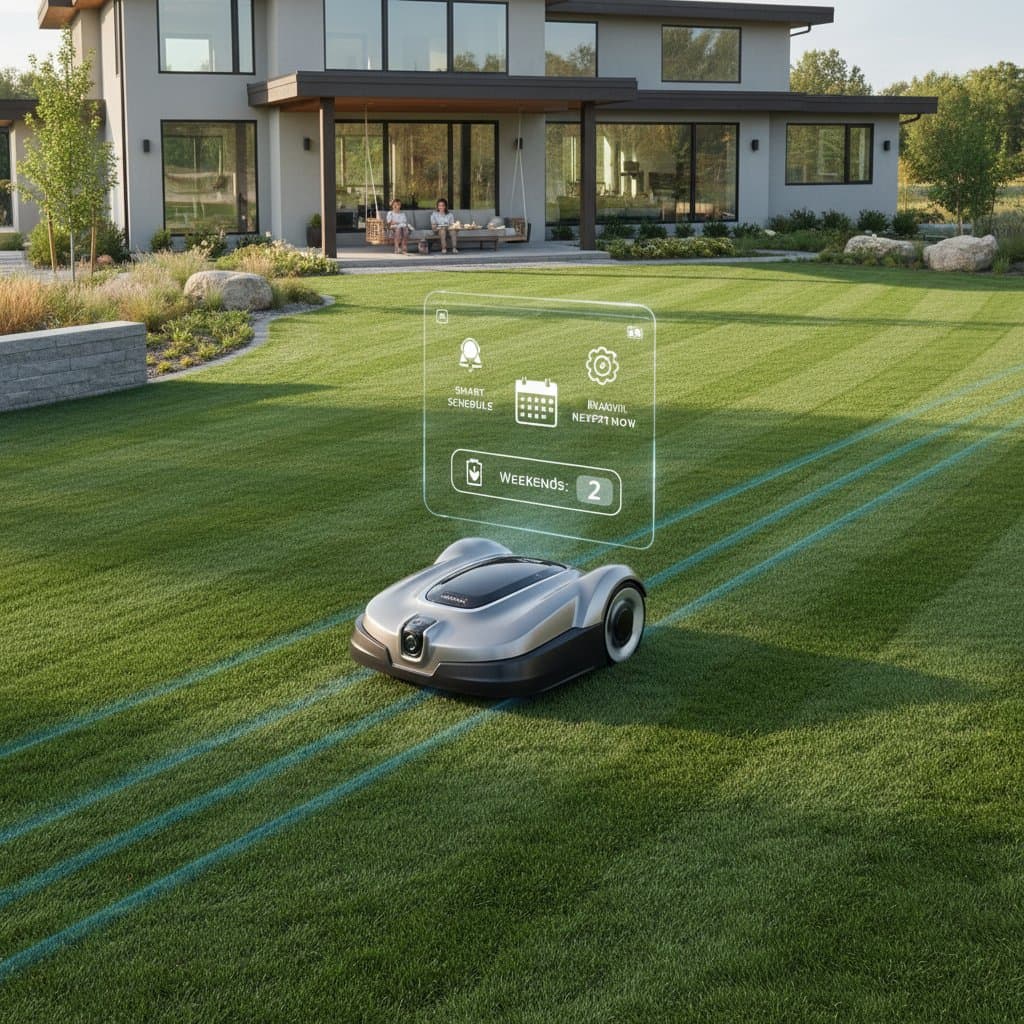
Choosing the Right Robotic Mower for Large Lawns
Robotic mowers offer a reliable solution for maintaining expansive lawns, such as those covering 7,000 square feet. These devices operate autonomously, navigating obstacles and ensuring even cuts without human intervention. Homeowners appreciate the freedom from weekly mowing tasks, allowing more time for leisure activities.
Selecting the appropriate model requires attention to key features that match your property's needs. Consider the mower's capacity to handle large areas efficiently. Models designed for expansive yards include advanced navigation systems that map the terrain and optimize paths for complete coverage.
Key Features to Evaluate
- Blade Type: Floating blades adapt to uneven terrain, providing consistent cuts on hilly or bumpy lawns. Fixed blades deliver precise, sharp edges ideal for flat surfaces but may struggle with irregularities.
- Navigation Technology: GPS-enabled mowers create detailed maps of your yard, avoiding missed spots and reducing overlap. Combine this with boundary wires or virtual perimeters for accurate zoning on properties with gardens or patios.
- Battery Life and Charging: Look for models with extended runtime, up to eight hours per charge, suitable for 7,000 square foot areas. Automatic docking ensures the mower returns to recharge without prompting, minimizing downtime.
- Weather Resistance: Sealed electronics protect against rain and moisture, while UV-stable materials prevent fading from sun exposure. IPX-rated models withstand various outdoor conditions, ensuring durability year-round.
- Noise and Efficiency: Quiet operation, under 60 decibels, allows use at any time without disturbing neighbors. Energy-efficient motors reduce power consumption, aligning with sustainable practices.
These features ensure the mower performs reliably across seasons. Test models in similar environments if possible, or consult reviews from users with comparable lawn sizes.
Professional Installation for Optimal Performance
Setting up a robotic mower involves more than placing it on the lawn. Professional installation guarantees precise configuration, particularly for irregular shapes or multi-zone properties. Technicians lay perimeter wires to define boundaries and position charging stations in accessible, sheltered spots.
The process typically takes a few hours. Experts calibrate sensors to detect edges, obstacles, and safe paths. For large lawns, they divide the area into zones, programming the mower to tackle one section at a time. This setup prevents the device from wandering into flower beds or driveways.
Many service providers include initial training sessions. Learn how to adjust schedules via app controls, which integrate with weather forecasts to pause operations during rain. Professional handling avoids common pitfalls, such as improper wire placement that could lead to incomplete coverage.
Maintenance packages often accompany installations. These include annual inspections, blade replacements, and software enhancements. Such support extends the mower's lifespan, often up to ten years with proper care.
Integrating Robotics into Daily Life
Once installed, a robotic mower blends seamlessly into household routines. It schedules cuts based on grass growth rates, typically every two to three days for optimal health. Homeowners monitor progress through mobile apps, receiving alerts for low battery or detected issues.
Consider the experience of James and Lila, who manage a 7,000 square foot yard. Months after setup, their mower handles the workload independently. The lawn remains uniformly green and inviting, requiring only edge trimming along fences or paths a few times per season.
James notes the subtle transformation in their weekends. "We spend time hosting barbecues or gardening, not pushing a mower," he shares. Lila adds, "The yard always looks freshly maintained, enhancing our outdoor living without the effort."
This shift extends to broader home automation. Pair the mower with smart irrigation systems for comprehensive yard management. Sensors detect soil moisture, coordinating watering with mowing to promote lush growth. As connectivity improves, future models will sync with voice assistants for hands-free commands.
Long-Term Maintenance Strategies
Sustaining performance demands routine checks. Inspect blades monthly for wear, sharpening or replacing them to maintain cut quality. Clean sensors with a soft cloth to remove debris, ensuring accurate navigation.
The charging dock requires periodic clearing of grass clippings and leaves. Position it away from direct sunlight to avoid overheating. During winter, store the mower indoors if frost poses a risk, or use protective covers for mild climates.
Software updates enhance functionality over time. Manufacturers release patches for better obstacle avoidance or integration with new smart home devices. Apply these via the app to keep the system current, often adding features like customizable cut heights.
For James and Lila, upkeep integrates easily into monthly chores. "It requires less attention than a traditional lawnmower," James explains. Their contractor handles seasonal tune-ups, focusing on battery health and wire integrity.
Troubleshooting Common Issues
- If the mower skips areas, verify boundary wires for breaks and reconnect as needed.
- Uneven cuts may indicate dull blades; replace them promptly.
- App connectivity problems resolve with a device restart or Wi-Fi check.
Addressing these promptly prevents minor issues from escalating. Consult the user manual or professional support for model-specific advice.
The Future of Effortless Lawn Care
Robotic mowers evolve rapidly, incorporating AI for predictive maintenance and adaptive scheduling. By 2026, expect widespread adoption as costs decrease and capabilities expand. These devices not only save time but also reduce environmental impact through precise cutting that minimizes waste.
Homeowners gain pristine lawns with sustainability benefits. Grass clippings left on the surface act as natural fertilizer, promoting healthier soil. Electric operation cuts emissions compared to gas-powered alternatives.
Embracing this technology transforms yard maintenance from a burden to a background benefit. Properties appear professionally tended year-round, boosting curb appeal and property value. For those with large lawns, robotic mowers deliver convenience without compromise.