
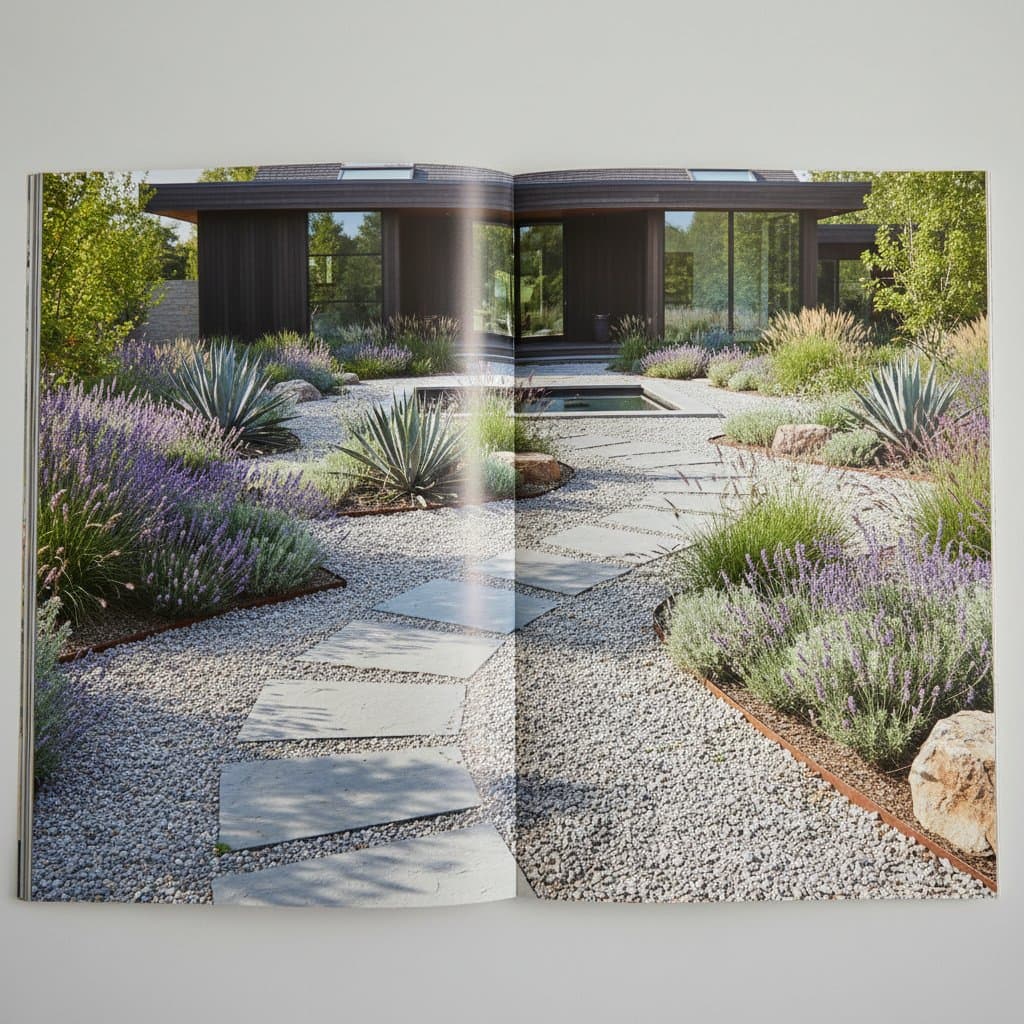
Why Gravel Gardens Outperform Mulch as the 2026 Landscaping Choice
Gravel gardens gain prominence as mulch fades from favor. The clean lines, natural hues, and robust durability of gravel align with the growing preference for low-maintenance outdoor spaces. Beyond aesthetics, gravel serves as a functional surface that accommodates drought-resistant vegetation, minimizes weed intrusion, and maintains tidiness across seasons.
Designers and homeowners alike recognize gravel as a versatile material that addresses everyday challenges while introducing texture and dimension to landscapes. This approach conveys a sense of permanence and harmony with the environment, qualities that mulch often lacks due to its tendency to decompose over time.
At a Glance
- Suitable Locations: Adaptable to regions with moderate rainfall or periodic dry periods
- Scalability: Fits small urban patios or expansive yard designs
- Ideal Climate Zones: Thrives in arid, temperate, or Mediterranean environments
- Primary Objectives: Minimize ongoing care, optimize water flow, and foster a serene, organic appearance
Enhance Visual Appeal and Design Versatility
Gravel introduces subtle elegance through its varied textures and colors, from smooth river stones to rugged crushed rock. This material complements modern architecture and natural surroundings, creating pathways, borders, and focal points that evolve gracefully with the landscape. Unlike mulch, which darkens and fades, gravel retains its character, offering consistent sophistication.
Landscape professionals emphasize gravel's role in layering designs. It provides contrast against lush foliage or hardscapes, drawing the eye to key features. For instance, fine pea gravel softens the edges of raised beds, while larger aggregates define entertaining areas with understated luxury.
Key Advantages: Builds depth and interest without overwhelming the space.
Practical Tip: Select gravel tones that echo local stone or soil for seamless integration.
Real-World Application: In a contemporary backyard, light gray basalt gravel surrounds sculptural succulents, framing a fire pit with refined simplicity.
Improve Drainage and Soil Health
Gravel facilitates gradual water infiltration into the soil, preventing surface pooling and erosion. This permeable quality ensures that excess moisture drains away efficiently, protecting plant roots from saturation. In contrast, mulch layers can impede airflow and promote fungal issues in damp conditions.
Experts note that gravel promotes aeration, allowing oxygen to reach root zones effectively. This environment suits a range of perennials and shrubs that flourish in well-drained settings. Healthier soil translates to stronger growth and reduced vulnerability to pests.
Core Benefit: Mitigates root diseases and stabilizes hydration.
Design Recommendation: Integrate gravel with species such as agastache, echinacea, or sedum for optimal results.
Illustrative Example: Combining pea gravel with crushed granite creates a breathable base that nurtures native grasses while maintaining a temperate surface temperature.
Boost Durability and Long-Term Resilience
Gravel withstands foot traffic, weather extremes, and time with minimal degradation. Its inert composition resists breakdown from sun, rain, or temperature fluctuations, ensuring landscapes remain intact for extended periods. Mulch, however, requires frequent replenishment as it erodes or compacts.
Professionals highlight gravel's stability in high-use areas like walkways or play zones. The material distributes weight evenly, reducing wear on underlying soil. Over years, it develops a patina that enhances rather than detracts from the overall design.
Essential Advantage: Delivers cost savings through longevity and reliability.
Implementation Advice: Use angular gravel varieties for better interlocking and stability.
Case in Point: A family garden featuring decomposed granite pathways endures seasonal play without shifting or fading, preserving the original layout.
Reduce Maintenance Over Time
Gravel gardens attract those seeking enduring beauty with limited effort. After initial setup with landscape fabric and borders, the surface demands little intervention. It avoids compaction and decomposition, preserving even contours and curb appeal indefinitely.
Designers report high satisfaction among clients for this predictable performance. Weeds struggle to penetrate the barrier, and debris such as leaves sweeps away effortlessly. This efficiency frees time for enjoyment rather than labor.
Primary Gain: Lowers routine tasks and material expenses.
Setup Guidance: Lay permeable fabric prior to gravel application to suppress growth effectively.
Practical Scenario: An urban courtyard with little bluestem grasses requires only periodic raking to sustain its polished allure.
Promote Sustainability and Resource Efficiency
Gravel aligns with eco-conscious practices by conserving water and minimizing chemical use. Its reflective properties cool the ground, cutting evaporation rates and supporting native ecosystems. This setup reduces reliance on irrigation systems and fertilizers common in traditional mulched beds.
Horticulturists praise gravel for emulating natural arid terrains, fostering biodiversity without artificial inputs. The material itself often sources locally, lowering transportation impacts. Overall, it contributes to greener, more self-sustaining yards.
Sustainability Edge: Enhances ecological balance and cuts resource demands.
Integration Idea: Blend gravel with pollinator-friendly blooms like lavender or salvia.
Demonstrative Use: A hillside planting of buffalo grass over gravel mulch conserves water while attracting wildlife.
Support Drought-Tolerant and Native Planting
Gravel gardens facilitate the adoption of hardy, water-efficient flora. The covering insulates soil, curbing moisture loss and mimicking the sparse conditions preferred by resilient species. Native plants excel here, developing extensive root systems for superior drought resistance.
Specialists observe that gravel encourages prolonged blooming and vitality in dry-adapted varieties. It contrasts with mulch's moisture retention, which can overwhelm arid natives. This synergy yields vibrant, low-input displays.
Vital Benefit: Conserves water and bolsters local flora.
Pairing Suggestion: Team gravel with penstemon, prairie dropseed, or yarrow for harmony.
Exemplary Design: A sunlit edge lined with blue fescue and sedum atop crushed limestone achieves a sharp, efficient aesthetic.
Maintaining and Enjoying Your Gravel Garden
Established gravel gardens operate with ease. Simple raking restores uniformity, and stray stones return to position with minimal tools. This hands-off nature suits lifestyles focused on leisure over labor.
Such designs embody principles of endurance, efficiency, and refined simplicity. They demand fewer inputs, adapt to environmental shifts, and deliver steady visual impact. Many owners find their gravel landscapes gain a lived-in charm, blending effortlessly with the site's inherent character.