
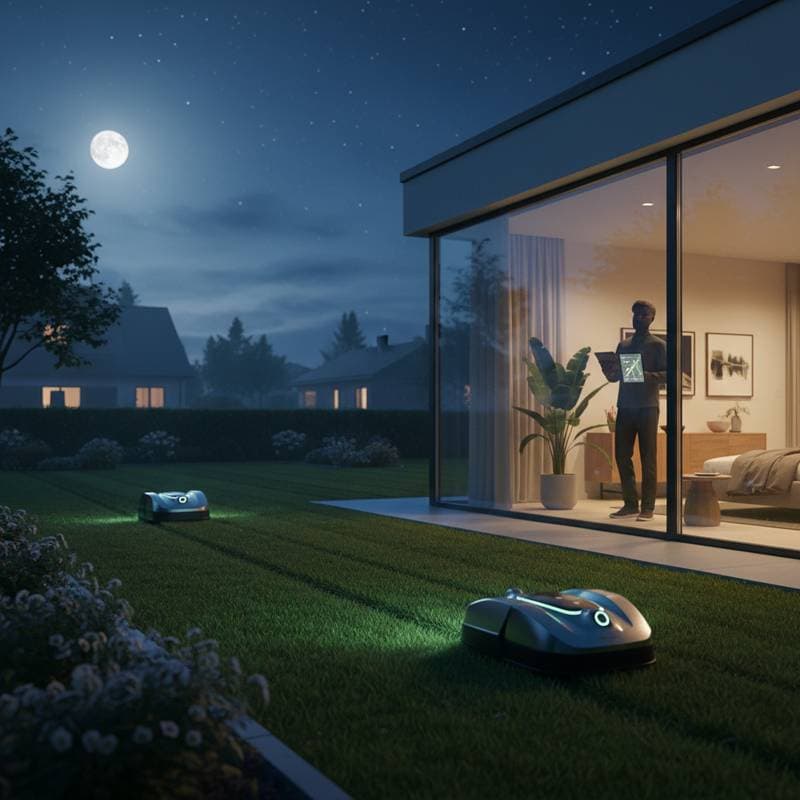
Smart AI Mowers Trim Lawn While You Sleep
Imagine waking up to a perfectly manicured lawn without ever hearing the whir of a mower. No early weekend starts, no sweat under the sun, and no waiting for the right day to mow. Smart AI mowers are turning that dream into a routine reality for homeowners who want a consistently neat yard with minimal effort. These automated machines quietly trim grass while you rest, letting you reclaim time and peace of mind.
Why Homeowners Are Turning to Smart AI Mowers
Traditional mowing demands time, fuel, and energy. In California and other regions where outdoor living is part of daily life, homeowners are increasingly valuing convenience and sustainability. Smart AI mowers meet both priorities. They are electric, efficient, and surprisingly intelligent.
Unlike early robotic models that wandered aimlessly or needed boundary wires, today’s AI-driven versions use advanced navigation systems, real-time mapping, and adaptive cutting patterns. They learn your yard’s layout, identify obstacles, and adjust cutting speed based on grass density. The result is even coverage and healthier turf.
These mowers are also designed with quiet motors. Many operate at a volume comparable to a conversation, which means they can trim late at night or early in the morning without disturbing anyone’s sleep.
How AI Makes the Difference
The intelligence behind robotic mowers lies in three key functions: sensing, learning, and decision-making.
-
Sensing: Built-in cameras, radar, or ultrasonic sensors help the mower detect objects, slopes, and edges. It knows when it approaches a flower bed or patio and automatically redirects. Some models even detect wet grass and pause operations to avoid clumping.
-
Learning: Over time, the mower develops a virtual map of your lawn. It remembers where it has cut, where growth is denser, and how to optimize its route. This reduces unnecessary overlap and energy use.
-
Decision-making: AI software allows the mower to adjust its schedule based on weather patterns or grass growth rates. If the forecast predicts rain, it reprograms itself to mow earlier.
This combination of sensory awareness and adaptive learning gives AI mowers a human-like intelligence that keeps improving each week.
Practical Benefits That Go Beyond Convenience
While convenience is the biggest draw, AI mowers bring practical and environmental advantages that fit neatly with modern California lifestyles.
1. Consistent Lawn Health
Frequent trimming encourages thicker, healthier grass. Since smart mowers can cut daily or several times a week, they maintain an optimal blade height that promotes root strength and reduces weed growth. Homeowners report up to 20 percent denser turf after consistent use.
2. Reduced Labor and Costs
The initial investment is balanced by years of savings on fuel, maintenance, and service calls. With fewer moving parts than gas mowers, robotic versions require little upkeep. Expect to save hundreds annually on gas and professional services.
3. Low Noise and Zero Emissions
Electric motors produce no exhaust and minimal sound. For communities that value quiet evenings and clean air, this is a major advantage. Models typically operate below 60 decibels, quieter than a dishwasher.
4. Smarter Water Use
A consistently trimmed lawn needs less water. Shorter blades of grass lose less moisture, and the fine mulch from mowing acts as a natural fertilizer. This approach supports California’s ongoing commitment to water conservation, potentially reducing irrigation by 15 percent.
5. Safety First
Modern AI mowers are built with safety sensors that stop the blades instantly if lifted or tilted. Many include PIN locks or GPS tracking to deter theft. Blades also retract upon detecting small animals or children nearby.
Planning Your Robotic Mower Setup
Before purchasing a smart mower, take time to evaluate your property. A successful installation starts with accurate mapping and proper preparation.
1. Measure and Assess Your Lawn
Most AI mowers are rated by square footage. Choose one that matches your yard size with some buffer for efficiency. Note any narrow passages, slopes, or uneven ground, as models handle up to 45-degree inclines effectively.
2. Check Power Access
Your mower will need a charging station placed on level ground with an outdoor power source. Position it where the mower can easily return for charging. Ensure the station is within 10 feet of an outlet to minimize cable exposure.
3. Consider Boundaries
Many models still use a low-profile boundary wire to define mowing areas, especially around flower beds or pools. Others rely on camera or sensor-based recognition. Take note of which system best fits your yard; wire-free options simplify setup but may cost more.
4. Think About Connectivity
Smart mowers connect via Wi-Fi or Bluetooth for app-based control. Some integrate with home automation systems, allowing you to schedule mowing sessions or monitor progress remotely. Verify compatibility with your smart home ecosystem before buying.
5. Prepare the Lawn
Before the first run, remove sticks, toys, and large debris. Once the mower is familiar with your yard, it will navigate around smaller obstacles with ease. Initial mapping sessions take 1-2 hours for yards under 5,000 square feet.
Choosing the Right Model
There is no single “best” AI mower, only the right one for your property and lifestyle. Here are a few selection tips:
-
Small Yards: Compact models handle tight spaces efficiently. Look for adjustable cutting heights from 0.8 to 2.4 inches and strong traction for uneven ground.
-
Medium to Large Yards: Choose a mower with a long battery life of up to 3 hours per charge and smart navigation features that can handle multiple zones.
-
Complex Landscapes: If your yard includes trees, slopes, or pathways, consider a model with multi-sensor navigation and obstacle recognition, covering up to 1.25 acres.
-
Tech Enthusiasts: Some premium versions offer real-time mapping, voice control compatibility with assistants like Alexa, and over-the-air software updates for ongoing improvements.
When comparing models, focus on durability and support. A reliable brand with accessible service will ensure long-term value. Check warranties, typically 2-3 years, and user reviews for real-world performance.
Integrating AI Mowing into a Broader Garden Plan
A robotic mower can become part of a larger landscape system. Garden designers often integrate them into low-maintenance plans that include drought-tolerant plants, smart irrigation, and native grass blends.
For homeowners with outdoor kitchens or entertainment areas, the mower can operate at night, keeping the lawn ready for gatherings without disrupting anyone’s schedule. Some even recharge automatically during the day using solar-assisted stations, pairing technology with sustainability.
If you work with a landscape professional, share your mower’s mapping data. It helps coordinate planting zones, pathways, and lighting, ensuring that every element works together. This integration can enhance overall yard aesthetics and efficiency.
Common Challenges and How to Solve Them
Even advanced tools have learning curves. Here are a few typical issues and solutions:
-
Uneven Cutting: Adjust blade height or check for dull blades. Regular sharpening every 200 hours of use keeps performance consistent.
-
Navigation Errors: Update your mower’s mapping software or reposition the charging base for better signal range. Re-run the initial mapping if terrain changes.
-
Connectivity Drops: Ensure your Wi-Fi extends to the yard or use a signal booster. Opt for models with cellular backup for reliable remote access.
-
Overgrown Edges: Robotic mowers often miss narrow borders. A quick monthly trim with a handheld string trimmer keeps edges tidy.
With small adjustments, most problems resolve quickly, making the mower more efficient over time.
Embracing Effortless Lawn Maintenance
Once the mower becomes part of your routine, you will notice how it subtly changes your relationship with your outdoor space. Instead of treating mowing as a weekend chore, you start thinking about your lawn as a living system maintained by quiet precision.
Neighbors might ask how your grass stays so even, or how you find time for other projects. The answer is simple: technology working in harmony with your environment. Smart AI mowers represent more than convenience. They reflect a thoughtful approach to modern living, where sustainability, design, and comfort come together.