
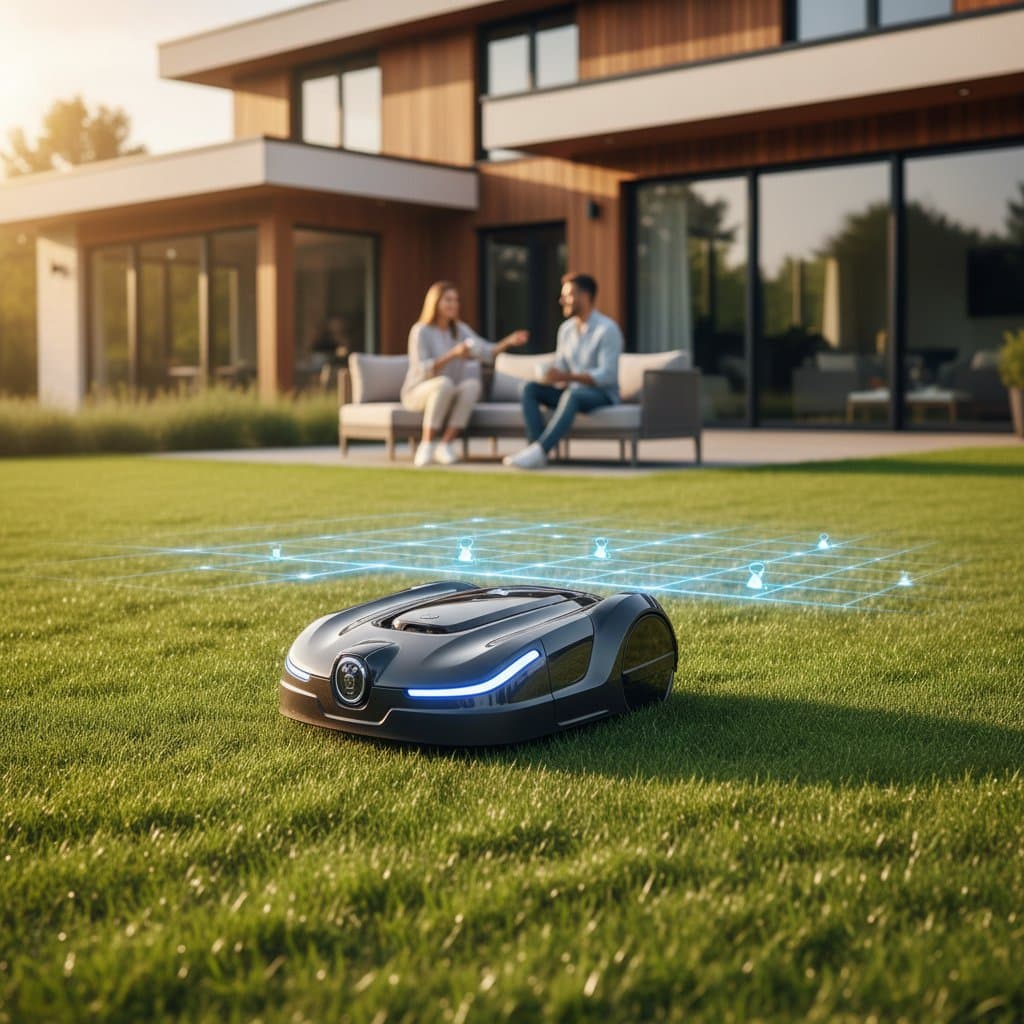
Smart GPS Mowers Streamline Lawn Maintenance
Imagine a Saturday morning spent on the patio with a cup of coffee, while the lawn appears perfectly maintained. A quiet hum indicates a compact machine moving across the grass with precision. Smart GPS mowers have revolutionized lawn care by reducing manual effort and time by at least half. These devices combine advanced navigation, energy efficiency, and sustainable practices in one unit.
Homeowners who value efficiency and healthy landscapes appreciate these mowers. Modern robotic models go beyond simple cutting. They adapt to conditions, learn from the environment, and monitor lawn health through intelligent systems, which allows more time for enjoying outdoor spaces.
Key Time-Saving Features
Traditional mowing involves more than pushing a machine across the yard. Tasks such as preparing the area, clearing debris, refueling, and sharpening blades extend the overall process significantly. Smart GPS mowers automate many of these steps. They run quietly, often at night or early morning, and need only occasional cleaning or blade replacement.
Precision navigation serves as a major efficiency driver. GPS technology guides the mower along previously mapped paths, minimizing overlaps and missed spots. Regular trimming keeps grass at a consistent height, which prevents overgrowth that requires extra work later. Over multiple weeks, these features add up to substantial time savings.
Grass clippings management provides additional advantages. Instead of bagging or raking, the mower finely shreds clippings and spreads them back onto the lawn as natural fertilizer. This mulching technique improves soil quality, supports denser grass growth with less water, and reduces the need for chemical fertilizers.
Choosing the Right Model
Selecting a GPS robotic mower involves more than picking the latest gadget. Consider factors like lawn size, slope, grass type, and layout to find the best fit.
-
Determine Coverage Needs: Check the model's rated capacity in square feet. Choose one that handles at least 20 percent more than your lawn's actual size to ensure full coverage without strain.
-
Assess Terrain Suitability: For hilly or uneven yards, select models with strong traction, robust motors, and sensors that detect inclines up to 45 degrees.
-
Review Cutting Options: Wider cutting decks cover large areas faster, while specialized blades create finer mulch and cleaner edges for a professional look.
-
Evaluate Battery Performance: Look for long runtime, such as 90 minutes per charge, and quick recharge times under two hours to avoid frequent downtime.
-
Check Connectivity Options: Advanced models offer Wi-Fi for app-based monitoring and scheduling, ideal for remote control. Simpler Bluetooth or timer-based systems work well for basic setups.
Consult a landscaping professional or automation expert for a yard assessment and personalized recommendations. Higher-end models often provide better longevity and lower long-term maintenance costs.
Essential Maintenance Practices
Smart GPS mowers operate with a high degree of independence, yet regular upkeep ensures peak performance.
-
Clean Regularly: Brush off grass buildup from wheels, undercarriage, and blades after each use. A clear machine moves freely and cuts evenly.
-
Inspect Blades Monthly: Sharp blades make clean cuts that promote healthy grass recovery. Replace any that show dullness, chips, or bends.
-
Monitor Tires: Worn treads can cause slipping on slopes; check for cracks or low depth and replace as needed.
-
Update Firmware: Install software updates promptly to gain improved navigation algorithms and enhanced security features.
-
Prepare for Storage: During off-seasons, store the mower indoors, keep the battery at 50 percent charge, and clean thoroughly before packing away.
Built for durability, these mowers can provide years of reliable service with proper attention.
Addressing Common Concerns
Smart GPS mowers excel in efficiency, but questions about cost, reliability, and yard fit remain common.
Upfront Costs and Long-Term Value:
Initial prices surpass those of push mowers, yet savings on gas, repairs, and hiring services often offset the expense within one or two seasons. The added convenience and consistent lawn appearance also boost home value.
Navigation Accuracy:
Earlier models struggled in complex yards. Today's GPS systems use satellite signals combined with onboard sensors for exact positioning within inches. For yards with trees or buildings that block signals, professional setup with boundary wires improves performance.
Safety Around Pets and Family:
Built-in obstacle detection stops the mower instantly when people or animals approach. Schedule runs during times when the yard is empty for extra peace of mind.
Working with Garden Features:
These mowers perform best on open lawns. To protect flower beds or trees, set up virtual boundaries via the app or use physical markers to create no-go zones.
Emerging Trends in Automated Lawn Care
Developments in GPS mowers reflect wider shifts toward smart home ecosystems. These devices now connect with systems for lighting, irrigation, and security cameras. Some models adjust schedules based on weather data to skip rainy days or vary cut heights according to grass growth rates.
In regions like California facing water shortages and environmental regulations, these mowers fit perfectly. They maintain healthy lawns with minimal resource use, reduce noise complaints from neighbors, and can integrate with solar chargers for even greater sustainability.
Making Automation Part of Your Routine
Incorporating a GPS robotic mower into daily life proves straightforward. The lawn stays neat with little intervention required. Set cuts for dry mornings and adjust heights in spring for deeper roots or summer for shade tolerance.
Watch for improvements in soil health and grass density over time. Consistent precision mowing encourages even growth and prevents thatch buildup. This steady routine creates a resilient lawn that needs few manual tweaks.
Frequent travelers or owners of multiple properties gain from remote access. Mobile apps deliver real-time status, alerts for issues, and the ability to adjust settings from anywhere, keeping the yard in top condition year-round.
Building a Thriving Outdoor Space
Smart GPS mowers offer more than convenience; they support a shift toward effortless, eco-friendly living. Freed-up time lets homeowners tend to gardens, host gatherings, or simply relax without worrying about overgrown patches.
For individuals blending technology with environmental care, these mowers deliver both beauty and function. They show how smart design and responsible practices create enduring, lush landscapes. Once set in place, automation turns the yard into an inviting retreat for everyday enjoyment.