
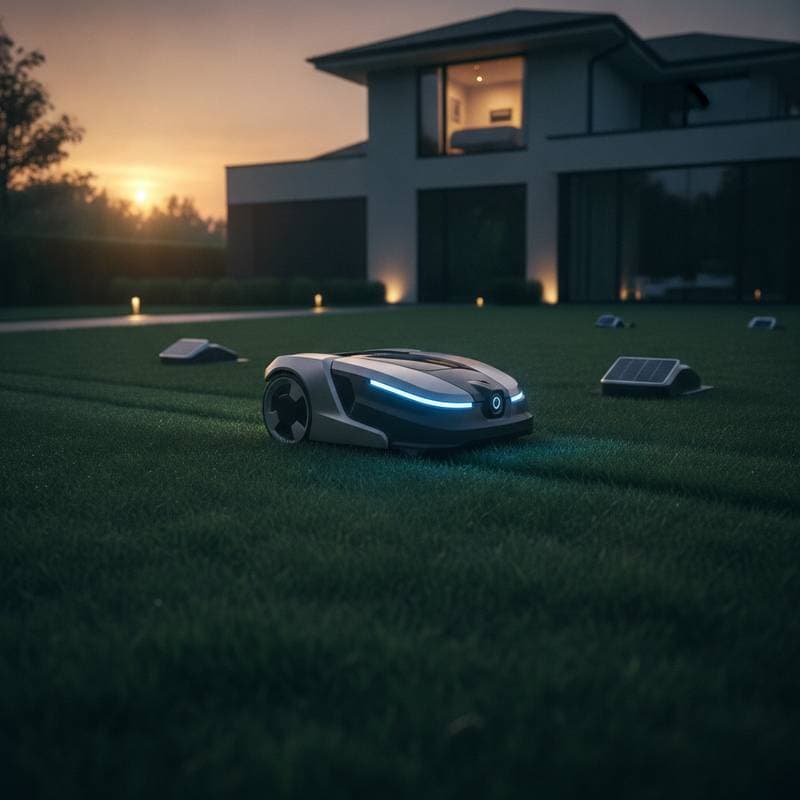
Why 2026 Robotic Mowers Beat Traditional Lawn Care
Picture a Saturday morning without the roar of a gas mower or the smell of exhaust drifting through the yard. The grass is freshly trimmed and perfectly even. You did not lift a finger. This is the daily reality of homeowners who have embraced the new generation of robotic mowers. These machines are quieter, smarter, and more adaptable than their predecessors.
Across California and beyond, the conversation around lawn management has shifted from convenience to efficiency and from manual effort to intelligent automation. The latest robotic mowers serve as reliable landscape partners designed for longevity, precision, and environmental responsibility.
Smarter Technology for Smarter Lawns
The biggest leap forward in modern robotic mowers is their level of intelligence. Older models followed random paths or basic boundary wires. The new generation relies on advanced navigation systems that create digital maps of your yard. They use sensors, cameras, and sometimes satellite guidance to understand layout, slopes, and obstacles.
This means your mower no longer bounces around aimlessly. It follows a methodical pattern that cuts every inch of turf evenly and without repetition. The result is a healthier lawn with a consistent cut height and no burn marks from over trimming.
Smart connectivity is equally transformative. Through an app, you can schedule mowing sessions, adjust cutting heights, or monitor battery levels whether you are home or away. Some systems even integrate with smart home platforms, allowing you to coordinate watering schedules or pause mowing during garden parties.
Precision Without Pollution
Traditional gas powered mowers contribute to both air and noise pollution. Robotic mowers run quietly on rechargeable batteries and produce no emissions during operation. Electric motors deliver steady torque and control, which allows blades to trim rather than tear grass. This cleaner cut encourages healthier growth and reduces brown tips.
Because robotic mowers work frequently, they remove only small amounts of grass at a time. The fine clippings decompose quickly, returning nutrients to the soil and reducing the need for chemical fertilizers. For homeowners conscious of water use, this gentle mowing cycle also helps maintain turf moisture. Shorter clippings form a light mulch layer that protects the soil from evaporation.
Time Savings and Cost Efficiency
Manual mowing may seem simple, yet regular trimming, fuel refills, and equipment maintenance can consume hours each month. Robotic mowers handle all of this automatically. Once installed and programmed, they manage schedules, return to their charging base when needed, and resume mowing when charged.
The upfront price of a quality robotic mower can appear steep compared with a traditional push or ride on mower. Yet the long term economics favor automation. Electric operation eliminates fuel and oil costs. Battery and blade replacements are infrequent and predictable. Most modern units are weather resistant and designed to last for many seasons.
Safety, Peace of Mind, and Landscape Adaptation
Robotic mowers address safety concerns with multiple layers of technology. Sensors detect obstacles and lift the blades instantly if the machine is tilted or picked up. Built in boundary systems prevent them from crossing into driveways or garden beds. Some models use advanced recognition cameras that identify living beings and stop automatically when someone approaches.
California landscapes demand flexibility. Robotic mowers now include adaptive traction systems that handle uneven terrain, mild slopes, and different grass textures. Rain sensors and weather data integration help prevent mowing on wet surfaces. The mower simply delays operation until conditions improve.
Installation, Maintenance, and Choosing the Right Model
The latest systems have streamlined setup. Many use virtual boundaries created through mapping, so there are no physical wires to bury or repair. Initial setup involves walking the mower around your property or letting it scan the area using its sensors.
Maintenance is straightforward. Cleaning involves brushing off debris, checking blades for wear, and occasionally wiping sensors. When evaluating models, consider cutting capacity, battery life, navigation system, weather resistance, and support options.
The Human Element and Lawn Success
Automation does not remove the artistry from landscape care. It simply handles the repetitive tasks that used to consume time and energy. Gardeners still play a vital role in soil improvement, seasonal planting, pruning, and design refinement. Think of the robotic mower as a reliable maintenance partner that keeps the canvas neat while you focus on the creative strokes.
The arrival of advanced robotic mowers marks a practical turning point in home landscaping. They deliver cleaner cuts, quieter operation, lower maintenance, and measurable environmental benefits. They also free homeowners to enjoy their outdoor spaces rather than manage them.