
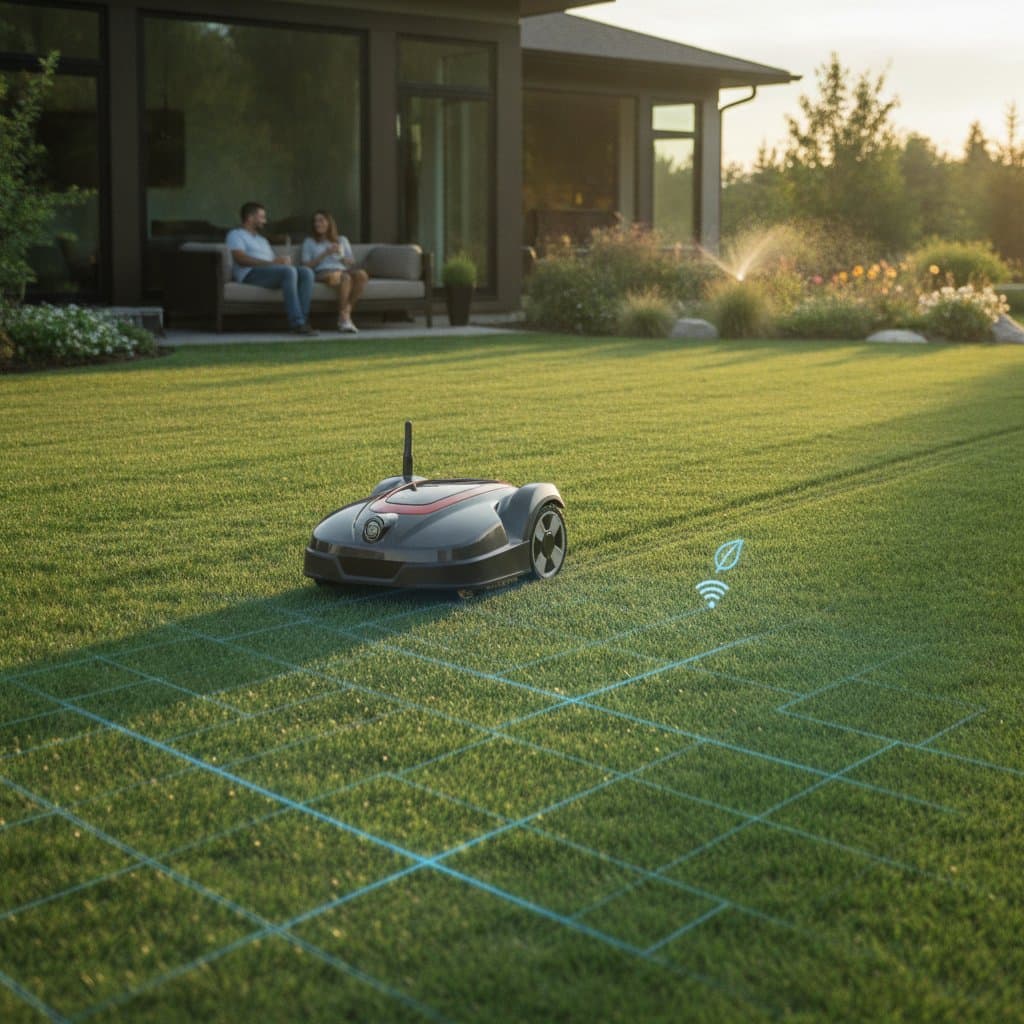
GPS Mowers with Satellite Guidance Reduce Lawn Upkeep Time by 60 Percent
Homeowners often balance the desire for a neat lawn against the hours spent pushing equipment back and forth. GPS mowers change this balance by mapping the yard once and then handling repeated cuts without further input. The machines follow efficient routes that eliminate overlap and reduce total operating time.
Satellite Mapping Replaces Boundary Wires
Older robotic models required users to bury perimeter wire around the entire property. Newer units rely on satellite signals to record lawn boundaries during an initial pass. The software divides the area into zones and calculates paths that cover every section without repetition.
Homeowners connect the mower to a phone application to view the generated map and adjust zones as needed. The system stores obstacle locations such as trees or raised beds. Future sessions use the stored data to maintain consistent coverage even when furniture or garden features shift.
Measurable Reductions in Weekly Effort
Traditional mowing involves fueling, pushing, emptying clippings, and storing equipment. A GPS mower runs several short cycles each week on its own schedule. Frequent trimming prevents tall growth that would otherwise require longer sessions later.
Variable speed motors adjust blade rotation based on grass density. Thicker patches receive slower passes while thinner areas move faster. This approach extends blade life and produces an even surface without additional raking or bagging.
Water Conservation and Soil Health Benefits
Electric motors emit no exhaust during operation. Clippings remain on the surface as mulch that slows moisture loss and supplies nutrients. Lawns maintained at a steady height develop deeper roots that tolerate dry periods with less supplemental irrigation.
California properties subject to seasonal watering limits gain an advantage from this closed loop of growth and return. No separate fertilizer applications are required to sustain color because the micro clippings supply nitrogen continuously.
Straightforward Initial Setup Steps
Users begin by clearing loose debris from the lawn surface. The mower then completes one mapping circuit while the application records boundaries. Slopes up to the manufacturer rating are handled automatically once the map is complete.
Four practical actions improve results:
- Remove branches and toys before mapping.
- Level minor dips that could affect wheel traction.
- Create separate zones for front and rear sections through the application.
- Schedule runs for early morning or evening to avoid peak heat.
After these steps the unit returns to its dock for charging and resumes without further commands.
Matching Equipment to Property Size
Compact models suit urban lots under one quarter acre. Larger properties require units with extended battery capacity and multi zone programming. Slope sensors and weatherproof housings protect performance in regions that receive morning fog or sudden rain.
Application monitoring allows owners to pause or redirect the mower while away from home. Theft tracking through the same GPS module provides location alerts if the unit moves outside its assigned area.
Coordination with Landscape Professionals
Designers can incorporate mower zones into overall planting plans so that transitions between turf and beds stay crisp. Weekly human trimming remains useful only around tree bases or narrow walkways where the machine cannot reach.
Safety and Noise Considerations
Lift sensors stop blade rotation the moment the unit is raised. Obstacle detection reduces contact with pets or outdoor items. Operating volume stays low enough for normal conversation nearby.
Rain sensors return the mower to its dock until grass surfaces dry. The unit then resumes the stored route without manual reset.
Ongoing Performance and Turf Improvement
Corrosion resistant housings and brushless motors support several seasons of service with basic cleaning. Consistent cutting patterns encourage thicker grass stands that crowd out weeds naturally.
Integrating Automated Mowing into Weekly Routines
Once mapping and scheduling are complete the system maintains appearance with minimal oversight. Homeowners regain weekend hours while the lawn receives more frequent attention than manual methods typically allow.