
Eco-Friendly Lawns: Smart Sensors Cut Chemicals 60%
A lush, green lawn has long been the pride of homeowners. Traditional methods of keeping it that way often rely heavily on fertilizers and water. Smart lawn sensors are changing that balance.
By monitoring soil health and environmental conditions, these compact devices can cut chemical use by up to sixty percent while maintaining or even improving turf quality. For anyone serious about sustainable living and long-term garden health, this technology brings both practicality and peace of mind.
Understanding the Smart Sensor Revolution
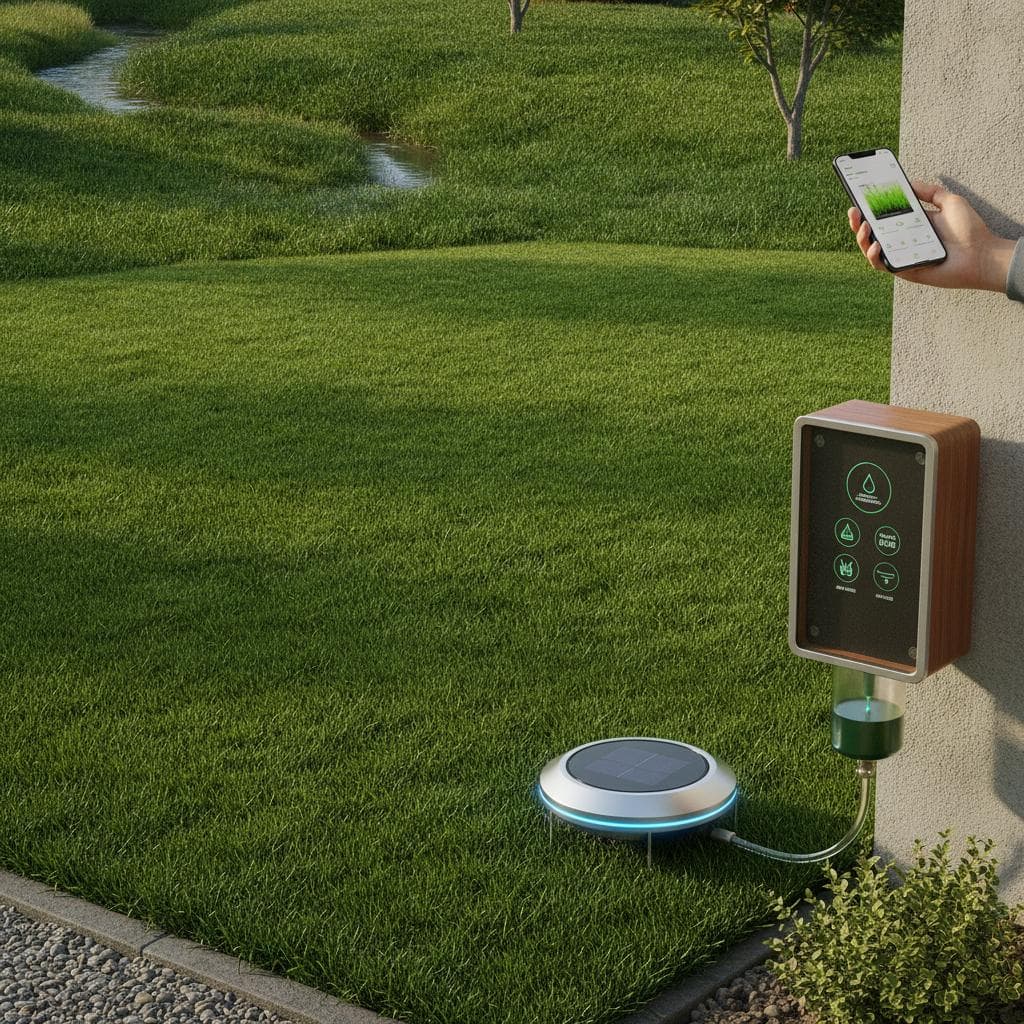
Smart lawn sensors are small, weather-resistant tools that measure key soil metrics such as moisture, nutrient levels, and temperature. The data is sent to an app or smart controller. The controller interprets the results and adjusts irrigation or fertilization schedules automatically.
Instead of applying a broad, one size fits all fertilizer schedule, homeowners can target nutrients precisely when and where plants need them most. When used correctly, these sensors create a closed feedback loop. They gather data, interpret it, and respond with fine tuned actions that maintain soil balance.
This prevents the overuse of fertilizers that often leach into storm drains or groundwater. The result is a living landscape that supports both your lawn and the environment around it.
Why Reducing Chemicals Matters
Chemical fertilizers are convenient, but they often come at a hidden cost. Excess nitrogen and phosphorus can wash into waterways. This promotes harmful algae growth and reduces oxygen levels in aquatic habitats.
On land, heavy fertilizer use may degrade soil structure over time. It leaves soil less able to retain water or support beneficial microorganisms. Reducing chemical inputs preserves soil biodiversity, improves water quality, and lowers the long-term maintenance burden.
For families with pets or children, it also means fewer synthetic residues where they play. Smart sensors create a pathway toward this healthier balance without sacrificing beauty or convenience.
How Smart Sensors Achieve 60% Chemical Reduction
The most impressive feature of smart lawn technology is precision. Here is how it works:
- Real time soil monitoring. Sensors continually track moisture, nutrient levels, and pH. This data replaces guesswork with measurable insights.
- Adaptive fertilization. Instead of following a calendar, nutrient release is triggered only when the soil requires it. Over time, this leads to fewer applications.
- Smart irrigation integration. Many systems connect with weather forecasts and irrigation controllers. When rain is expected, watering is paused automatically, reducing nutrient runoff.
- Data driven learning. The technology learns from each season performance, creating a customized plan for your lawn unique conditions.
By delivering nutrients only when necessary, homeowners can cut fertilizer inputs dramatically. Studies and field results from California landscapes show reductions averaging around sixty percent, with equally strong aesthetic outcomes.
Choosing the Right System for Your Lawn
Not every smart sensor system functions the same way. The best choice depends on your landscape needs. Consider the following factors before purchasing:
- Coverage area. Some sensors are designed for small gardens, while others can manage large lawns with multiple zones.
- Compatibility. Check if the system integrates with your existing irrigation controller or smartphone app.
- Battery life and durability. Look for models that withstand sun, rain, and soil moisture without frequent maintenance.
- Data quality. Higher end sensors measure a broader range of variables, providing more precise recommendations.
A practical approach is to start small. Monitor one or two zones before expanding across the property. This helps you understand the system behavior and fine tune its settings for local conditions.
Integrating Smart Sensors with Sustainable Lawn Practices
Smart technology works best when paired with thoughtful lawn care habits. The sensors provide real time intelligence. The foundation of a healthy lawn still depends on good soil management and responsible maintenance.
Consider these supporting strategies:
- Aerate and compost. Aeration allows oxygen and nutrients to penetrate deeper, while compost enriches the soil naturally.
- Choose region appropriate grasses. In California, drought tolerant varieties like buffalograss or hybrid fescue require less water and fertilizer.
- Mow high and leave clippings. Taller grass shades the soil, reducing evaporation. Clippings return nutrients without extra chemicals.
- Water deeply and infrequently. Smart sensors help schedule irrigation cycles that encourage deep root growth.
When these methods combine with sensor based data, lawns stay resilient through seasonal changes while minimizing waste.
The Economics of Smart Lawn Care
Investing in smart sensors may seem like a luxury, but the return is measurable. Over time, reduced fertilizer and water bills offset the initial cost. The savings increase for larger landscapes or properties with automated irrigation systems.
Beyond cost efficiency, there is the value of time saved by eliminating manual guesswork and unnecessary treatments. From a real estate perspective, a sustainable, well maintained lawn signals thoughtful stewardship. Potential buyers or renters appreciate landscapes that look good and function responsibly.
Addressing Common Concerns
Some homeowners hesitate, wondering if these systems are complicated or fragile. In practice, most smart sensors are designed for easy installation. They are placed a few inches into the soil and connect via Wi Fi or Bluetooth to a phone or control unit.
Many operate for months on a single charge or small solar panel. Another concern is accuracy. While consumer grade sensors may not match laboratory precision, they provide consistent, actionable data that far exceeds traditional guesswork.
The key is calibration and proper placement. Placement is usually recommended near representative areas of the lawn, not isolated dry or shaded spots.
Environmental Benefits Beyond the Lawn
Reducing fertilizer use benefits more than just your grass. It contributes directly to cleaner waterways, healthier pollinator populations, and improved soil carbon storage. Every pound of fertilizer saved prevents a portion of emissions linked to production and transport.
Over time, widespread adoption of smart sensors could reshape urban and suburban landscapes into more sustainable ecosystems. In California and other regions facing water scarcity, the synergy between smart irrigation and fertilizer management is especially powerful.
By conserving both water and nutrients, these systems support community wide goals for resource stewardship.
Making It Happen
Transitioning to smart lawn care begins with curiosity and a willingness to experiment. Start by evaluating your current fertilizer schedule and identifying inefficiencies. Next, research sensor systems that fit your yard size and technology comfort level.
Many models come with trial apps that simulate data before purchase. This helps you understand the potential benefits. Once installed, allow a few weeks for the system to gather baseline data.
Use that information to adjust watering and feeding patterns gradually rather than all at once. Over time, you will notice improved soil texture, fewer brown patches, and less frequent need for chemical inputs. The lawn becomes more self sustaining, requiring fewer corrections and less intervention.
Adopting smart sensors is not just a step toward convenience. It represents a shift toward balance, where technology supports nature instead of overwhelming it.