
Smart Sprinkler Zoning Reduces Water Costs by Half
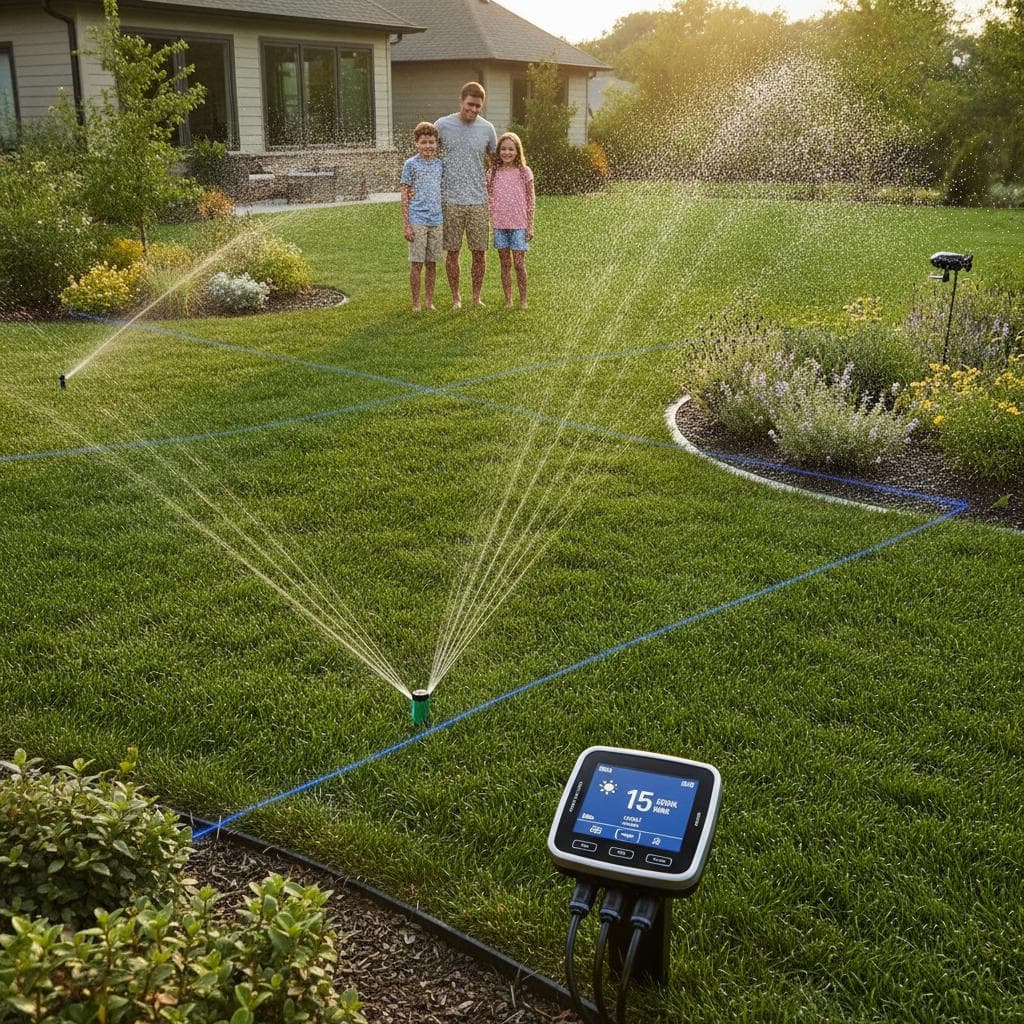
When the Martins purchased their suburban home, they appreciated the mature trees and wide front lawn. They did not anticipate a water bill that would rival their energy costs each summer. After consulting with a local irrigation designer, they replaced the aging sprinkler system with a smart, zoned layout. This change keeps their landscape thriving while cutting water use by half.
Mapping the Landscape
The Martins yard includes several microclimates. The front lawn receives full sun throughout the day. The backyard features shaded corners beneath oak trees and a vegetable garden that requires consistent moisture. The old sprinkler system treated the entire property as one zone and sent equal water to every area. This approach left the shaded grass waterlogged and the sunny lawn patchy.
The new system divides the property into six zones. Each zone is calibrated for its soil type, sun exposure, and plant needs. The irrigation designer mapped the yard in detail and identified variations in slope and drainage. Every yard has its own ecosystem. Once the patterns are understood, water delivery can be fine tuned to meet the needs of each area.
Materials and Technology
The installation uses weather resistant PVC piping with pressure regulated heads. These heads maintain even output across varying elevations. The drip lines consist of flexible polyethylene tubing by Rain Bird. This material offers durability and clog resistance. The smart controller is a Rachio 3 model. It connects through a mobile app where the Martins monitor and adjust watering remotely.
Mulch improves the system efficiency. A three inch layer of shredded cedar covers garden beds to reduce evaporation. Moisture sensors by Toro are buried at root depth. They send readings back to the controller. The result is a closed feedback loop that reacts to actual soil conditions instead of relying on guesswork.
Everyday Function and Maintenance
The Martins manage their irrigation from a smartphone app. They check soil moisture, view past watering cycles, and make quick adjustments. The system sends alerts if it detects a leak or a valve malfunction. This early warning feature prevents wasted water and protects the landscape from sudden changes in pressure.
Routine maintenance remains simple. Nozzles are checked once a season for clogs. Drip emitters receive a quick flush before planting new crops. The controller stores schedules in the cloud. Power interruptions never erase the programming. The system restarts right where it left off.
Cost and Payback
Installing a smart zoned system involves a high upfront cost. The Martins experience shows how quickly savings accumulate. Their water bills dropped by half within the first season. That reduction came from eliminating overspray and unnecessary watering cycles. The family expects the system to pay for itself within a few years through lower utility costs alone.
The designer noted that local rebate programs often help offset installation expenses. Many municipalities encourage water saving technologies. Homeowners can apply for credits when upgrading to smart systems.
Living with Smart Irrigation
A year after installation, the Martins landscape looks healthier than before. The lawn holds a deeper green. The vegetable garden produces consistently. The flower beds bloom longer. The homeowners say the biggest change is peace of mind. We used to worry every time we went on vacation, said Mrs. Martin. Now the system handles everything. It even pauses watering if there is rain while we are gone.
Practical Steps for System Care
- Inspect sensors and nozzles twice a season.
- Update the controller app to ensure accurate weather data.
- Refresh mulch annually to preserve moisture retention.
- Recalibrate zones if major landscape changes occur.
Benefits of Thoughtful Irrigation Design
The Martins project shows that thoughtful irrigation design makes a measurable difference. With the right zoning, smart controls, and efficient materials, homeowners maintain lush gardens while cutting water use dramatically.