
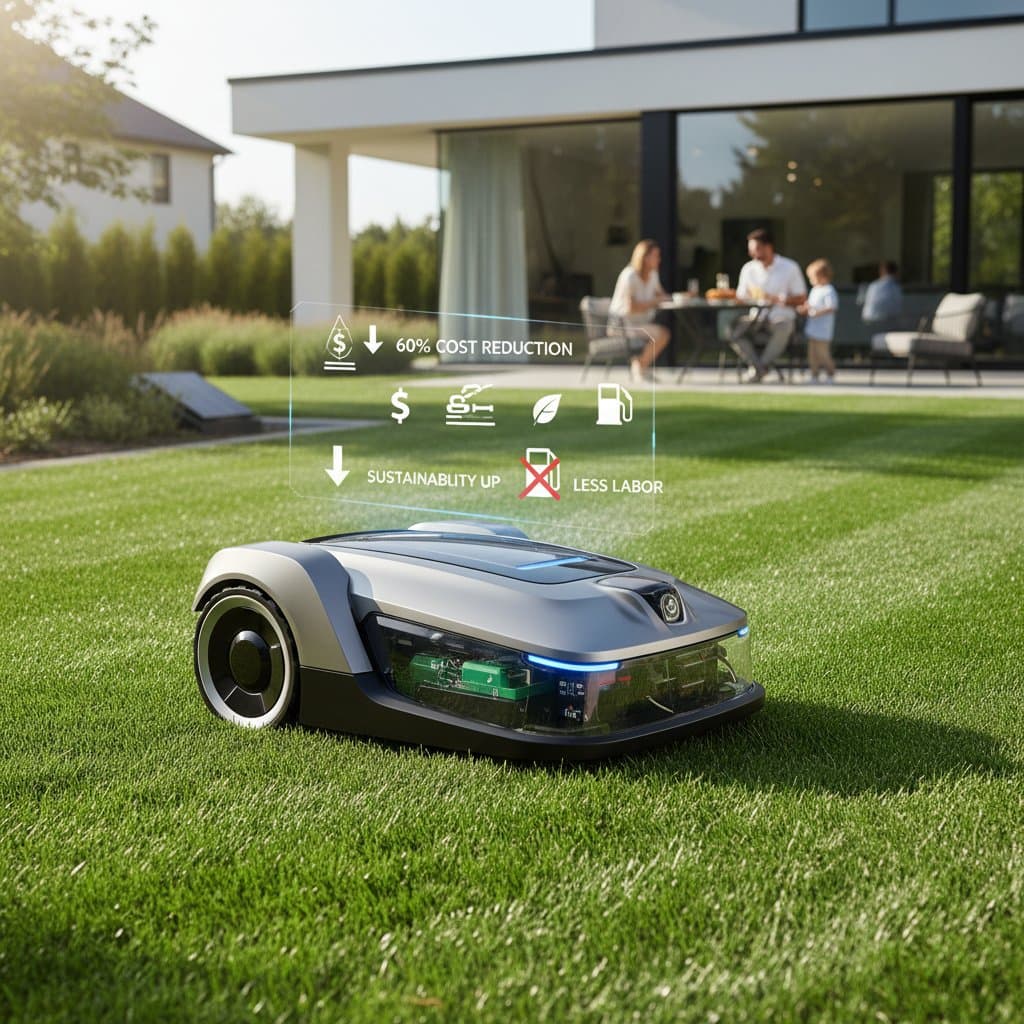
How 2026 Robotic Mowers Reduce Lawn Care Costs by 60%
Homeowners who have endured long hours pushing a mower in the heat understand the toll on time and energy. Robotic mowers change this routine entirely. The latest models deliver convenience alongside substantial financial benefits. Property owners report savings of up to 60 percent over traditional methods. These advantages stem from practical designs, supported by performance data, that simplify lawn maintenance.
Energy Efficiency That Delivers Savings
Gas mowers require fuel, oil changes, spark plugs, and filters, all adding to ongoing expenses. Robotic mowers eliminate these needs. They rely on rechargeable lithium-ion batteries that use far less power than combustion engines. Pairing them with solar panels or off-peak charging further lowers operational costs.
These devices mow at a consistent low height, removing only the grass tips. This method eases motor workload and prolongs battery duration. Tests show monthly electricity bills at just a few dollars, in contrast to frequent gas refills. Such efficiency creates a clear impact on yearly budgets.
Labor Elimination and Time Reclamation
Professional mowing services for an average lawn accumulate costs rapidly. Self-mowing demands time better spent elsewhere, such as enjoying the garden. Robotic mowers remove this labor requirement completely. After setup, they operate independently and quietly, often at night or dawn to avoid paths.
For those managing multiple properties, the advantages multiply. A single operator supervises several units via a mobile app. This setup minimizes scheduling efforts and disruptions while ensuring uniform results. The devices deliver steady cuts regardless of human schedules or weather conditions.
Simplified Maintenance and Extended Durability
The cost balance tips decisively with longevity. Robotic mowers feature fewer components than gas versions, and their light build reduces wear on mechanisms. No belts need adjustment, and no oil requires draining. Blades stay sharp longer and swap out easily.
Many units self-clear debris during operation. Maintenance involves a simple rinse and occasional blade replacement. Frequent light trimming prevents overgrowth, which in turn spares the motor from excess strain. Consequently, these mowers endure multiple seasons beyond standard push models, cutting repair expenditures significantly.
Enhanced Lawn Vitality and Reduced Input Needs
Robotic mowing subtly boosts turf condition. Regular, precise cuts allow clippings to break down into the soil, recycling nutrients and retaining moisture. This natural process diminishes reliance on synthetic fertilizers and watering. Uniform growth also deters weeds, lowering herbicide and reseeding outlays.
In regions with water limits, such as California, this approach aligns with conservation efforts. Sensors monitor soil dampness and grass progress, fine-tuning schedules as needed. The result supports a thriving yard with minimal intervention.
Quiet Operation and Community Benefits
Gas mowers generate noise that can annoy neighbors or breach regulations. Robotic versions produce sounds below conversation levels. This enables flexible timing without issues. Commercial sites gain from adaptable routines that avoid operational halts.
Gentle vibrations and regulated blade speeds prevent abrupt engine stresses. This consistent motion sustains equipment reliability. Maintenance remains straightforward and budget-friendly over extended periods.
Analytics and Proactive Upkeep
Advanced sensors, GPS, and data tools now equip most robotic mowers. These detect blade wear, battery status, and terrain variations. Alerts arrive via app before problems escalate, averting major fixes.
Integration with smart home systems coordinates with watering or forecasts. During expected rain, operations halt to avoid soil damage. Such accuracy minimizes inefficiencies and preserves both landscape and device integrity.
Environmental Gains with Lasting Impact
Gas mowing emits pollutants and greenhouse gases. Electric robotic mowers produce none. In areas promoting green initiatives, users may access rebates or credits. Regardless, benefits include purer air, serene surroundings, and robust lawns that enhance property appeal.
Large-scale users like golf facilities and resorts adopt fleets for proven economics. Across seasons, the 60 percent savings prove substantive, reshaping maintenance planning.
Setup Process for Seamless Integration
Current models simplify initial deployment. Install a boundary wire around the area, burying it slightly or using stakes. Connect the charging base to a power source, and let sensors map the zone. The unit adapts to inclines, plantings, and routes over time.
Follow manufacturer guidelines for wire placement to ensure full coverage. Test the boundary signal before full activation. Initial mapping may take a few runs, but adjustments occur automatically thereafter.
Embracing Effortless Yard Management
Owners soon find the setup transformative. Lawns stay neatly groomed with minimal oversight. The device integrates unobtrusively, fostering a calmer connection to outdoor areas. For efficiency seekers, these mowers represent essential tools in contemporary landscaping.