
Introduction to Cost-Saving Robotic Mowers
Robotic mowers scheduled for release in 2026 represent a significant advancement in residential lawn care. These devices integrate advanced navigation systems and energy-efficient designs to minimize operational expenses. Homeowners in California and similar regions stand to benefit from reduced labor, fuel, and maintenance needs, achieving substantial savings over traditional methods.
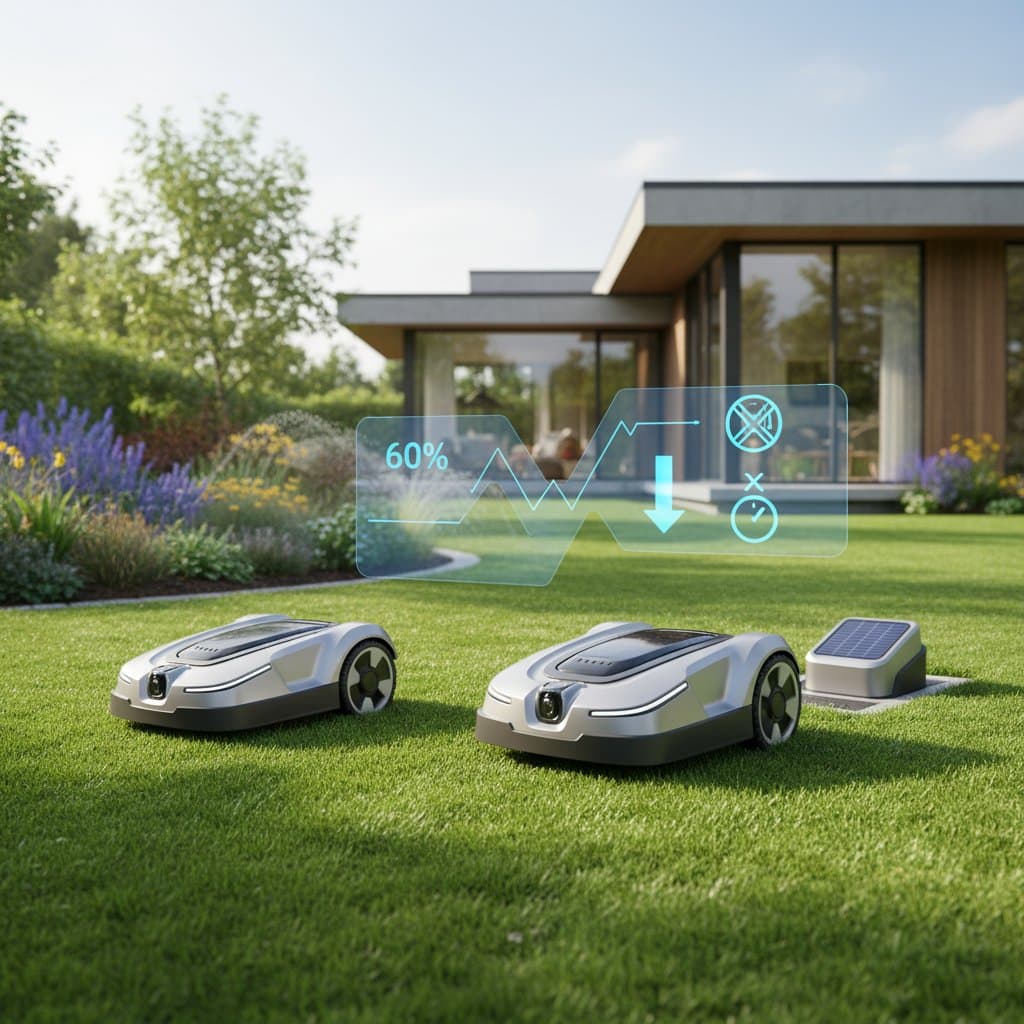
The core appeal lies in their ability to automate routine tasks. Unlike manual mowing or hiring services, these mowers operate independently, adjusting to lawn conditions in real time. This efficiency translates to a 60 percent reduction in overall costs, factoring in initial investment and long-term use.
Selecting the Right Model for Your Property
Begin the process by assessing your lawn's size and layout. Models designed for areas under 1,000 square feet suit small urban yards, while units capable of managing up to 2 acres fit larger estates. Consider terrain features such as slopes or obstacles, as 2026 models include enhanced obstacle detection to navigate complex landscapes effectively.
Next, evaluate integration options. Many units connect to smartphone applications for customization, allowing users to define mowing patterns or exclude sensitive garden zones. Battery life improvements in these models ensure full coverage without frequent interruptions, optimizing performance across varied property sizes.
Installation Essentials
Proper installation sets the foundation for reliable operation. Select a charging station location that remains dry and level, positioned near an electrical outlet yet sheltered from direct sunlight. Ensure the area provides unobstructed paths for the mower to dock seamlessly after each cycle.
Define boundary wires around the perimeter to guide the device. This setup, which takes approximately two hours for most users, prevents the mower from wandering into flower beds or driveways. Test the system immediately after installation to confirm signal strength and coverage, making adjustments as needed for optimal boundary recognition.
Managing Your Robotic Mower System
Daily oversight requires minimal effort once the system activates. Inspect the cutting blades every few weeks to detect dullness or damage, replacing them as necessary to maintain clean cuts. Remove leaves or sticks that could interfere with sensors, ensuring the mower detects edges and obstacles accurately.
Software updates enhance functionality and address potential vulnerabilities. Manufacturers release these periodically via app notifications, often including new features like adaptive mowing based on grass growth rates. For users with connected homes, pair the mower with smart irrigation controllers to synchronize operations, watering only when soil moisture levels demand it.
Remote access proves invaluable for frequent travelers or those overseeing multiple properties. Through dedicated applications, monitor battery status, mowing history, and adjust schedules from anywhere. This capability maintains lawn appearance without on-site presence, transforming property care into a hands-off routine.
Analyzing Long-Term Financial Benefits
Upfront costs for a 2026 robotic mower range from $1,000 to $3,000, depending on features and capacity. However, this investment pays off quickly when compared to alternatives. Hiring professional services might cost $50 per visit, totaling over $2,000 annually for weekly maintenance, whereas the robotic option eliminates such recurring fees.
Operational expenses remain low due to efficient lithium-ion batteries that recharge using standard household power. Annual electricity usage equates to less than $20, far below the fuel and oil demands of gas-powered mowers. Additionally, the absence of mechanical breakdowns reduces repair costs, with warranties covering major components for several years.
Indirect savings extend to water conservation and environmental compliance. These mowers promote healthier grass by mulching clippings back into the soil, decreasing fertilizer needs by up to 30 percent. In water-restricted areas like California, their precise cutting reduces evaporation, aligning with sustainable practices and potential utility rebates.
Integrating Technology for Enhanced Lawn Health
Beyond basic mowing, 2026 models incorporate sensors to monitor soil conditions and grass vitality. Data collected helps users apply targeted treatments, preventing overgrowth or patchy areas. This proactive approach fosters denser turf, resistant to weeds and drought.
Pairing with weather APIs allows the mower to pause during rain or high winds, protecting equipment and lawn integrity. Homeowners report lawns that appear professionally maintained year-round, with even growth patterns that enhance curb appeal. Such integration elevates simple mowing into comprehensive landscape management.
Embracing the Future of Effortless Lawn Care
As these technologies advance, expect further refinements in autonomy and connectivity. Property owners achieve not only financial relief but also more leisure time and ecological benefits. Invest in a 2026 robotic mower to secure a lush, low-cost lawn that requires little more than occasional oversight.