
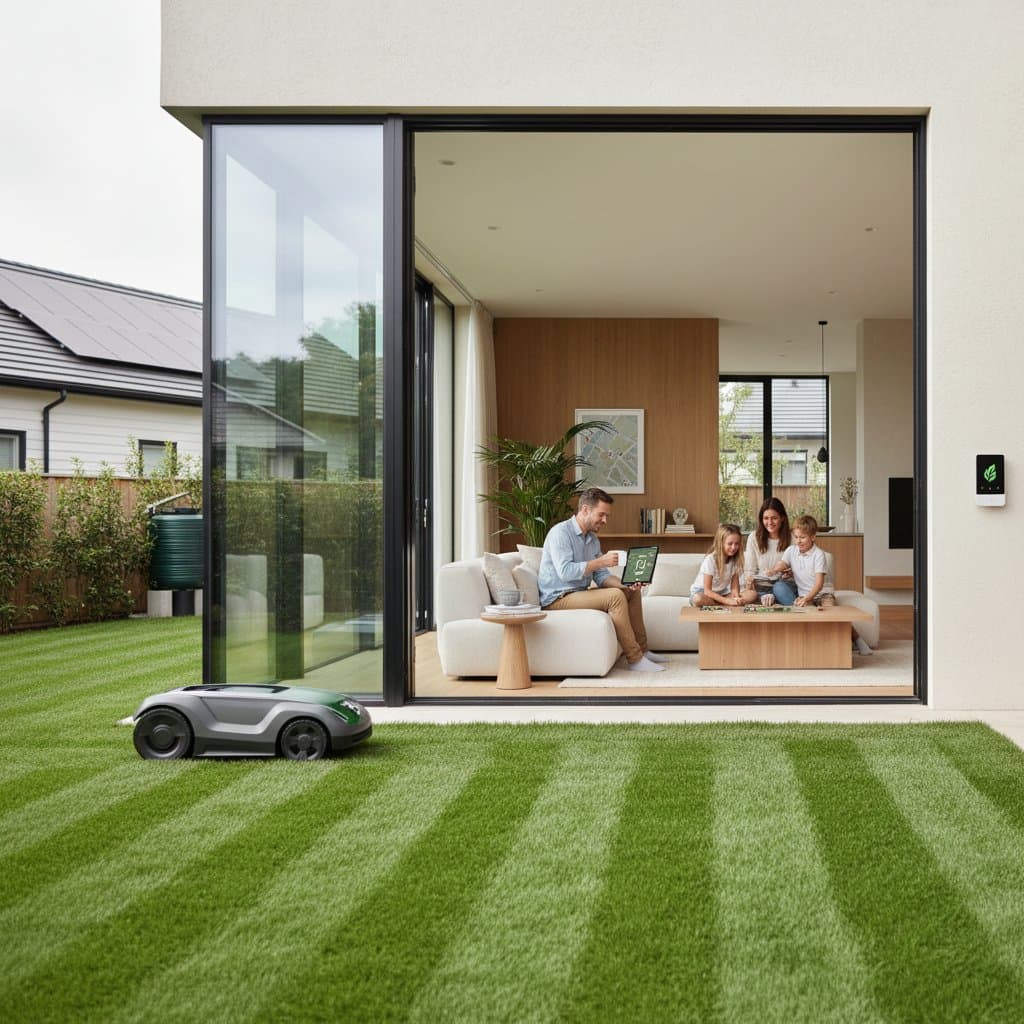
Why 60 Percent of Homeowners Are Switching to Robotic Mowers
The subtle sound of a robotic mower traversing a lawn signals a change in how people manage their outdoor spaces. Homeowners increasingly view these devices as essential tools that conserve time, minimize expenses, and produce superior grass quality. This transition aligns with a preference for effortless yard upkeep that maintains an attractive appearance.
How Robotic Mowers Deliver Effortless Lawn Maintenance
Robotic mowers function by performing frequent, shallow cuts that leave clippings on the lawn to act as organic fertilizer. This approach promotes dense growth without the demands of traditional weekly mowing sessions. After initial setup, the device operates silently, including overnight, without interrupting daily routines or nearby animals.
For residents in busy areas like California, where schedules fill quickly with professional and family obligations, this automation proves transformative. Individuals reclaim weekend mornings previously dedicated to manual mowing, opting instead for relaxed outdoor moments. The reduction in physical effort and electricity use adds tangible benefits over time.
Key Reasons for the Shift to Robotic Mowing
Multiple elements contribute to the growing popularity of robotic mowing solutions. These encompass financial efficiencies, ecological advantages, technological connectivity, enhanced grass vitality, and dependable performance.
-
Lower Labor and Upkeep Expenses
Traditional mowing demands fuel, lubricants, regular blade maintenance, and significant personal time. Robotic models require only occasional cleaning and blade swaps. Their power consumption rivals that of a standard lamp, ensuring low operational costs. Within two to three growing seasons, reductions in fuel and service needs typically recoup the initial investment. -
Ecological Advantages
Conventional gas mowers release substantial pollutants into the air. Battery-powered robotic units generate no on-site emissions. The mulching process diminishes reliance on chemical fertilizers, supporting soil health. This method aligns with broader trends toward environmentally responsible yard practices. -
Seamless Integration with Smart Systems
Contemporary robotic mowers link to home Wi-Fi via user-friendly applications. Owners schedule sessions, monitor charge levels, and review coverage maps directly from mobile devices. Weather synchronization enables automatic pauses during precipitation, with resumption once conditions dry. Such features unify lawn management with controls for lighting, watering, and surveillance. -
Improved Grass Health Outcomes
Regular light trimming encourages roots to grow deeper, resulting in uniform coloration and resilience. This practice limits thatch accumulation and weed proliferation. Users often observe increased thickness after the initial month of use. The device's irregular path distribution prevents soil packing, allowing natural aeration. -
Enhanced Safety Features and Minimal Noise
Built-in sensors identify barriers, animals, and people, halting operations immediately upon detection. Operating at under 60 decibels, these mowers run anytime without affecting rest or discussions. Families with young children or proximity to others appreciate these quiet, secure attributes.
Selecting an Appropriate Robotic Mower
Yard dimensions, inclines, and configurations guide the choice of a robotic mower. Smaller units suit city properties under 0.25 acres, whereas robust models manage larger or hilly areas up to several acres. Prioritize options with variable height settings from 0.8 to 2.4 inches, IPX waterproof ratings, and obstacle-avoiding guidance like ultrasonic or camera systems.
Boundary wire installation outlines the operational area, often completed in under two hours with basic tools such as stakes and a connector kit. While self-installation works for straightforward layouts, hiring a technician ensures optimal wire placement for complex terrains. Aesthetic considerations include compact designs that store neatly in shaded spots or custom enclosures resembling landscape elements.
To maximize performance, test the mower on a small section first, adjusting schedules based on grass growth rates, which vary by season and climate. Annual battery checks and software updates maintain efficiency, often handled through app notifications.
Overcoming Typical Hesitations
Potential buyers sometimes worry about runtime limitations or security issues. Advanced batteries provide 60 to 120 minutes of mowing per charge, with automatic docking for recharging in under 90 minutes. Anti-theft measures include PIN codes, audible alerts, and optional GPS modules that notify owners of unauthorized movement.
Maintenance concerns ease with straightforward routines: rinse the undercarriage weekly and inspect blades monthly. Local services offer tune-ups similar to vehicle inspections, covering diagnostics and part replacements for sustained reliability.
Integrating Automation into Yard Routines
Adopting a robotic mower reshapes perspectives on property care, evolving yards into low-effort environments. Time once spent on tasks shifts toward leisure activities like gardening or hosting.
In regions emphasizing outdoor enjoyment and resource efficiency, such as California, these tools complement water-saving landscapes and precise irrigation. Together, they form a cohesive strategy that balances visual appeal with conservation efforts.
Realize the Advantages of Automated Turf Care
Transitioning to robotic mowing invests in long-term efficiency, environmental stewardship, and property enhancement. The uniform maintenance yields vibrant, inviting spaces ideal for relaxation and social events.
This technology operates discreetly, allowing focus on life's priorities. When that soft whir echoes from a neighboring yard, it underscores the accessibility of pristine lawns through intelligent automation.