
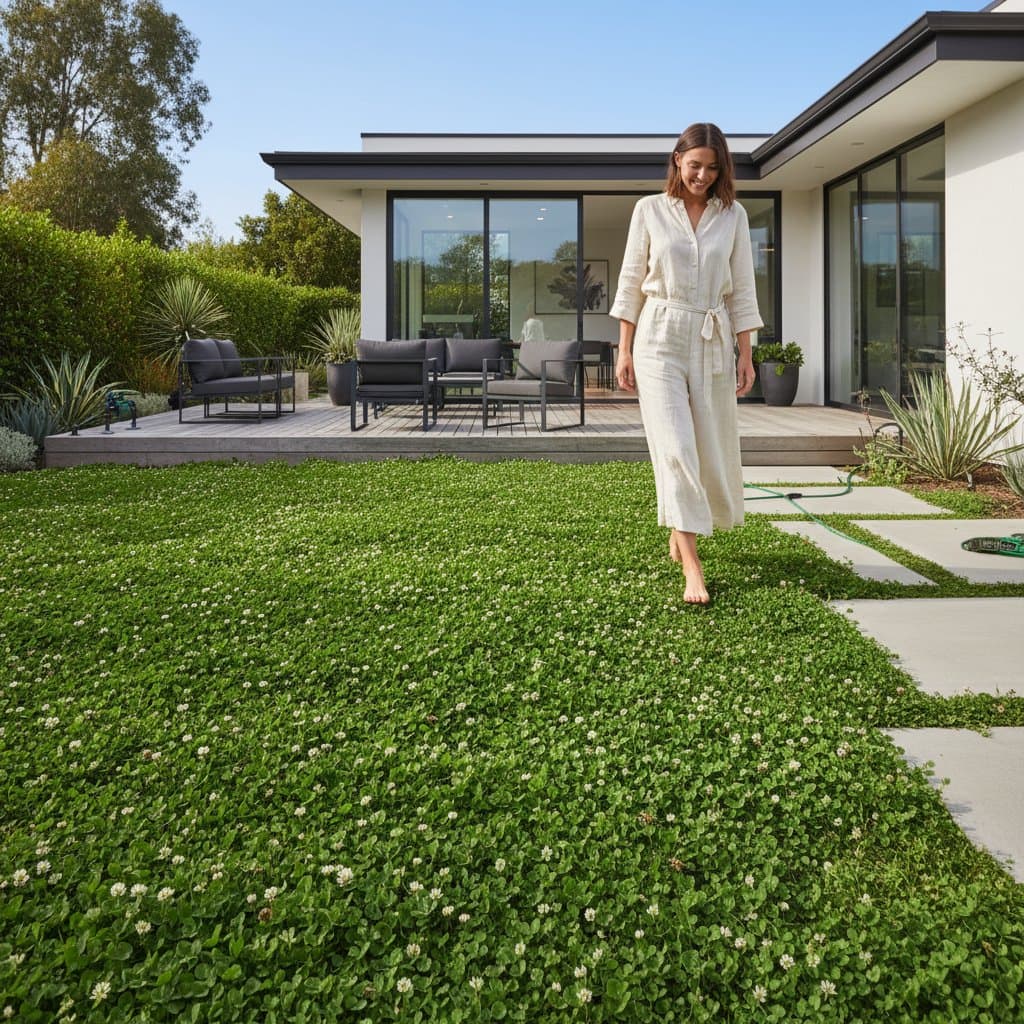
- Upkeep Demands: Clover reaches a compact height and requires no regular mowing in many cases.
- Resistance to Pests: Clover withstands common lawn insects better than grass. Its thick growth suppresses weeds, minimizing herbicide applications.
- Visual Qualities: Grass provides a even texture, while clover adds gentle diversity through small blooms that draw pollinators. This creates a dynamic, natural lawn rather than a manicured one.
Benefits for the Environment and Daily Life
Clover supports environmental health in meaningful ways. Each planted area reduces water demand and limits chemical leaching into waterways. It boosts local ecosystems by inviting bees and butterflies, vital for nearby plants and orchards. The extensive root system strengthens soil, aiding moisture retention and erosion control.
These advantages translate to improved living. Reduced mowing frees up time from equipment operation. Fewer chemicals create safer zones for play. Homeowners seeking a relaxed, nature-aligned yard routine find clover ideal. It shifts focus from labor to leisure in outdoor spaces.
In coastal and inland California settings, numerous residents convert full lawns to clover varieties. These areas retain deep green tones during arid periods, contrasting with browning grass nearby. The visual and economic contrasts highlight clover's reliability.
Selecting an Appropriate Clover Variety
Homeowners select clover types based on objectives and local conditions. Popular lawn options include microclover and white Dutch clover.
- Microclover: Featuring petite leaves and low stature, this type mimics a conventional lawn aesthetic. It integrates seamlessly with grass for hybrid designs.
- White Dutch Clover: Renowned for toughness and timeless style, it expands rapidly and yields delicate white flowers. It suits expansive areas or spots with some shade.
Many opt for combinations with resilient grasses such as fescue. These hybrids merge grass uniformity with clover sustainability, providing balanced performance.
Steps for Installing and Maintaining Clover
Transitioning to clover involves straightforward preparation and timing considerations.
- Clear the Site: Eliminate current grass and weeds thoroughly. Allow soil to settle for several weeks to eradicate remaining roots.
- Condition the Ground: Clover favors soil that drains well and holds moderate nutrients. Till lightly and level with a rake prior to sowing.
- Distribute Seeds Uniformly: Apply seeds manually or via a spreader. Gently rake to promote seed-to-soil adhesion.
- Irrigate Carefully: Maintain consistent moisture until germination occurs. Established clover demands significantly less watering than grass.
- Trim as Needed: Mow at higher heights sporadically to promote density and control flowering for a tidy finish.
Experiencing a Clover Lawn Day to Day
Clover adapts effortlessly to varied preferences. Owners may allow natural blooming for a wildflower vibe or clip regularly for precision. It rebounds from use quickly, accommodating active households.
For gatherings, clover offers a comfortable base beneath seating or tables. Its durability prevents worn spots from frequent paths, ensuring year-round appeal.
Embracing Sustainable Yard Design
Adopting clover over grass marks a deliberate choice in landscaping that prioritizes endurance, ease, and efficiency. Initial effort yields enduring rewards in aesthetics and utility.
Integrated fully or alongside other elements, clover infuses California yards with vitality and harmony. It promotes coexistence with nature through reduced inputs and enhanced soil health.