
Why Clover Lawns Will Surpass Traditional Grass by 2026
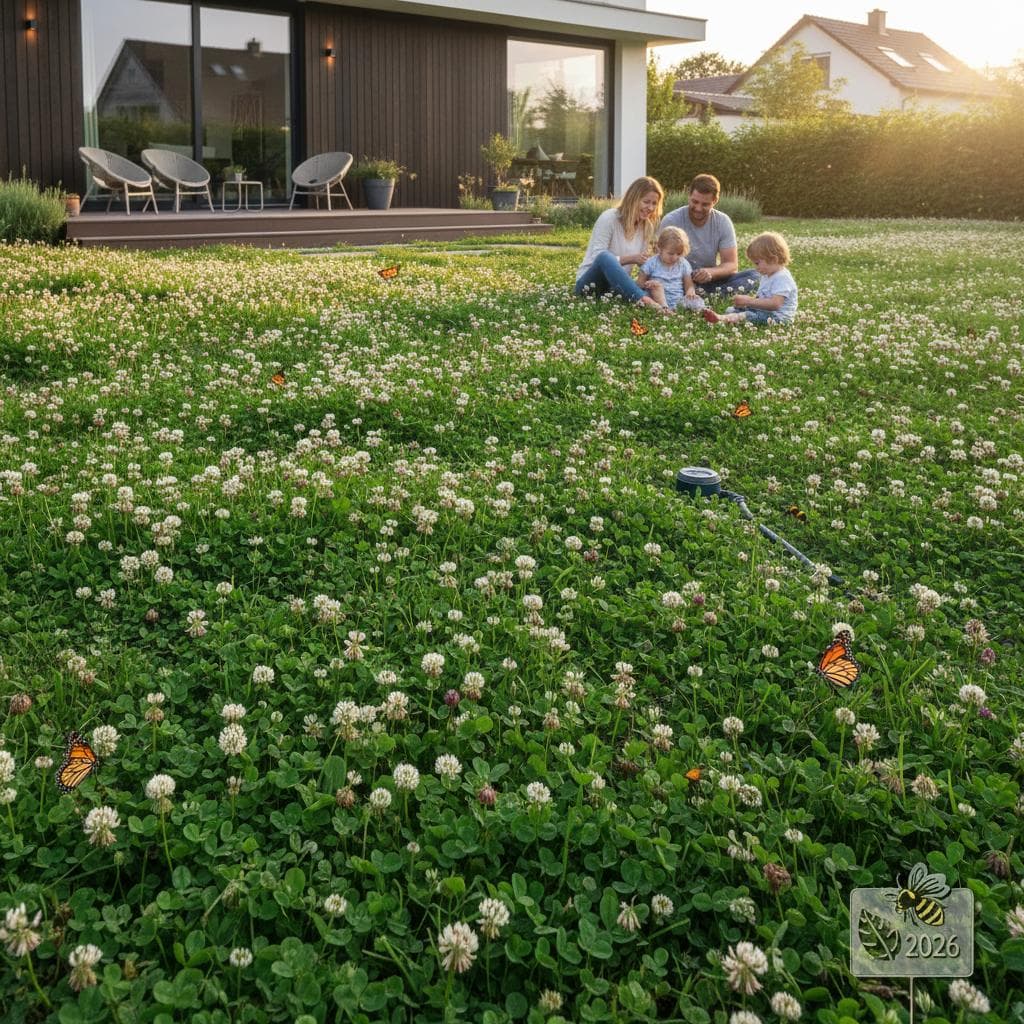
Sarah and Mark Bennett acquired a home on a serene corner lot. They sought a yard teeming with pollinators instead of battling uneven grass patches. Clover delivered a dense, comfortable surface that required minimal care and dispensed with the need for fertilizers or frequent mowing.
This story echoes the experiences of numerous homeowners. Individuals nationwide convert standard turf to clover lawns. The draw stems from ecological benefits, decreased maintenance, and an elegant, natural aesthetic. Such changes highlight a collective pursuit of balanced outdoor environments.
Benefits of Clover Lawns
Clover lawns resurrect a time-honored practice with contemporary significance. They resolve issues that burden common grass types. Standard lawns depend on fertilizers, watering systems, and consistent mowing to flourish.
Clover nourishes itself via nitrogen fixation. This natural mechanism extracts nitrogen from the atmosphere and enriches the soil. Consequently, it achieves robust growth without artificial additives.
For the Bennetts, the lighter maintenance routine marked a significant improvement. Sarah remarked, "We were tired of chasing green with chemicals." Clover sustains its vigor on its own, which accelerates its popularity in home settings.
Essential Design Choices
Selecting Suitable Clover Types
The Bennetts chose a mix of Trifolium repens, or white Dutch clover, and microclover. Microclover provides a smoother texture that blends into expansive, lawn-like areas. This pairing retains environmental gains while improving visual consistency.
Experts tested various seed ratios to balance appearance and durability. James Ortega of Greenline Outdoor Studio stated, "Too much microclover can lead to uneven coverage in the first year." A 50-50 blend fosters faster rooting and richer hues by the second year.
Soil Preparation Techniques
Installation started with thorough removal of existing grass. Crews lightly tilled the ground to improve aeration. They added compost to enhance soil structure and moisture retention.
Clover prefers neutral to mildly acidic soil. A simple pH test guided any necessary amendments. Because clover produces its own nitrogen, no extra fertilizers proved required.
Setting Boundaries and Edges
Defined borders give clover a deliberate look. Metal edging separates growing zones from walkways. Subtle stone borders frame the property perimeter.
These elements preserve neatness. They prevent clover from spreading into flower beds or neighboring lots. Well-defined lines enhance the entire landscape composition.
Developing a Care Routine
Clover lawn upkeep remains straightforward. Mow every three weeks during peak growth to three inches high. This level limits overabundant blooms but allows pollinators to reach flowers.
Steer clear of fertilizers, herbicides, and pesticides. Rake fallen leaves into the clover to return nutrients naturally. Such practices support vitality with little effort.
- Mow to three inches every three weeks in growing season.
- Skip chemical treatments entirely.
- Mulch leaves on site for organic feeding.
Visual and Design Advantages
Clover offers a distinctive texture unlike grass. Its leaflets create shifting patterns as light changes during the day. In the Bennetts yard, added thyme introduces subtle color shifts for a lively, peaceful vibe.
This flexibility fits multiple styles. Microclover suits clean lines in modern designs. Standard clover works alongside perennials in informal gardens.
Property owners appreciate clovers adaptability to different home styles. It harmonizes with sleek contemporary buildings as well as classic colonials. The outcome blends effortlessly with existing features.
Daily Life with a Clover Lawn
Months after setup, the Bennetts describe a revitalized area. Time spent on upkeep has dropped, freeing hours for outdoor enjoyment. The ground remains cool and pleasant to walk on.
Children enjoy watching bees and butterflies visit. Neighbors show curiosity about duplicating the design, asking for seed sources and preparation methods. This interest points to an expanding movement.
Professionals in landscaping see this as forward-thinking sustainability. Clover requires less work, cuts expenses, and fosters habitat balance. Residents reap clear rewards from the change.
Guide to a Smooth Transition
Thorough preparation and steady observation underpin effective conversion. Start small, perhaps with a side yard or path edging. Track development and how plants interact.
Evaluate shifts in the areas feel and function. Refine elements according to findings. This step-by-step method instills assurance.
The Bennetts journey illustrates clovers promise. It brings polish, dependability, and improved quality of life without compromise. Choices like these elevate routine moments through sustainability.