
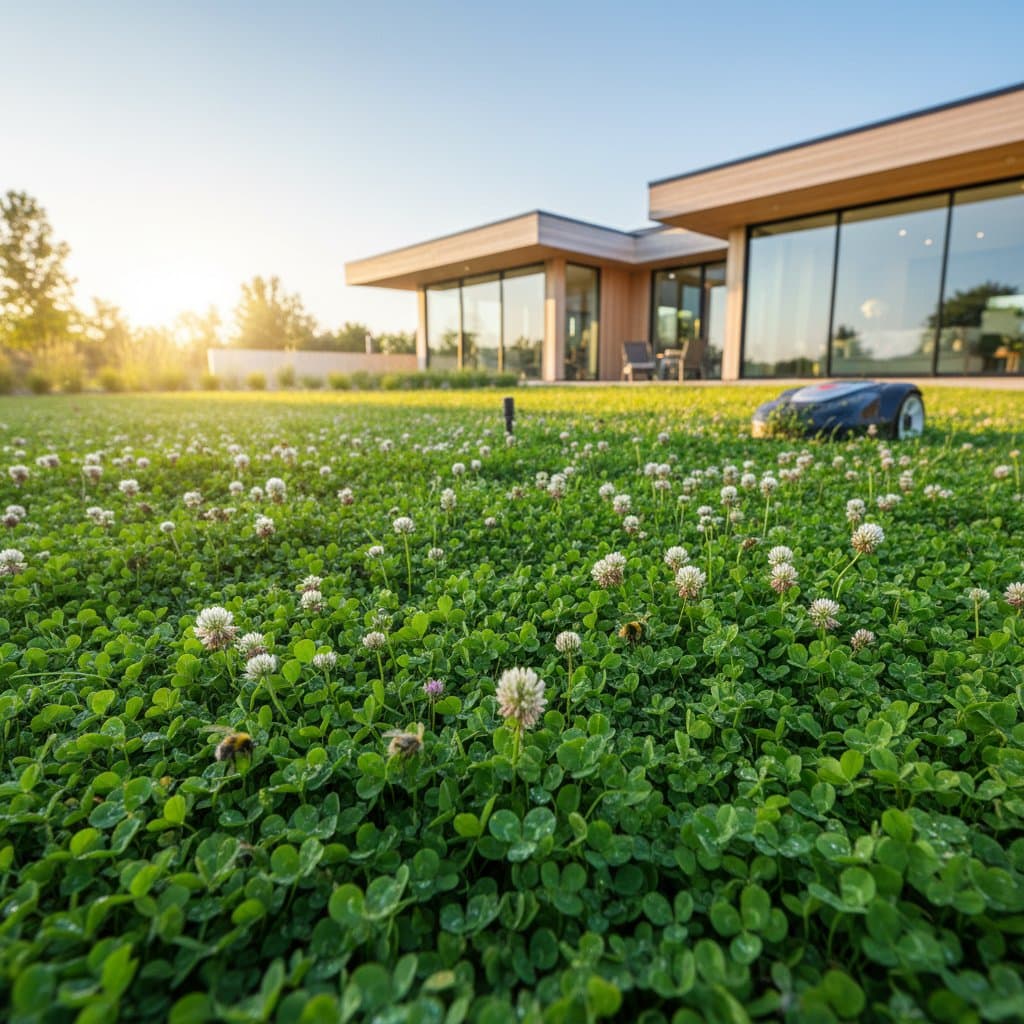
Clover Lawns Outperform Traditional Grass in Recent Surveys
Recent national landscape surveys confirm a significant shift among homeowners. Clover lawns surpass traditional grass in sustainability, cost efficiency, and resilience. Gardeners in regions like California report vibrant yards that require less water, fertilizer, and mowing. This trend highlights landscapes that align with local climates, minimize chemical inputs, and maintain appealing green spaces.
Clover lawns establish a sustainable standard for outdoor areas. Survey results demonstrate strong advantages in performance and homeowner satisfaction. By examining these benefits and implementation strategies, property owners can select options that enhance both their landscapes and the surrounding environment.
Key Advantages of Clover Lawns for Homeowners
Conventional grass lawns provide curb appeal at a high price in resources and effort. Clover lawns offer a lush, green alternative with reduced demands. Surveys indicate that those who adopt clover achieve notable reductions in expenses, improved soil conditions, and greater overall contentment.
Reduced Water Needs
Clover retains its vibrant color and thickness with minimal irrigation compared to grass. Grass typically demands regular watering to remain healthy, whereas clover draws moisture from deeper soil levels through its extensive roots. This trait proves ideal for arid areas such as California, where conserving water serves both regulatory and environmental purposes.
Established clover lawns often rely solely on natural rainfall. Homeowners experience fewer watering sessions, decreased utility costs, and a sense of environmental stewardship while preserving an attractive outdoor space.
Built-In Soil Enrichment
As a member of the legume family, clover naturally converts atmospheric nitrogen into a form usable by plants. Traditional grass depends on applied fertilizers, which may pollute water sources and harm soil integrity. Clover enriches the ground for itself and adjacent vegetation, often eliminating the need for artificial supplements.
Participants in the surveys noted that their clover areas stayed lush for extended periods without additional nutrients. The symbiotic bacteria in clover roots, similar to those in farming, promote consistent development and long-term soil vitality.
Simplified Upkeep and Chemical Reduction
Frequent mowing and weed management challenge grass lawn owners. Clover expands at a slower, more uniform rate, requiring less frequent cuts. Its growth pattern naturally suppresses weeds by forming a tight cover that limits intrusions.
This approach decreases reliance on herbicides, protecting beneficial insects and minimizing exposure risks for pets and family members. Survey findings reveal that clover adopters halved their mowing routines, leading to lower fuel use, reduced emissions, and additional leisure time in the yard.
Resilience and User-Friendly Surface
The fine texture of clover feels pleasant for foot traffic and play. It withstands everyday use and recovers swiftly from wear. In contrast, grass may require weeks to rebound from stress or drought.
Clover demonstrates strong endurance for routine family activities. For outdoor meals, recreation, or casual events, it delivers a resilient, inviting area that maintains its appeal post-use.
Broader Environmental and Design Advantages
Beyond personal benefits, surveys assessed ecological impacts. Clover lawns excel in fostering biodiversity, enhancing soil quality, and promoting sustainability.
Aid for Pollinators
The blossoms of clover draw bees and other pollinators, boosting productivity in nearby plantings. Many survey participants observed increased butterfly and native bee populations after installation. Mowing prior to full bloom preserves a seamless green look, yet periodic flowering supports essential insect life.
Enhanced Soil Stability and Quality
Clover roots anchor the earth and refine its composition gradually. They resist packing, facilitating better underground circulation of air and water. This benefit suits challenging soils like clay or sand.
Decomposing roots contribute organic material, boosting nutrient levels and durability. Over time, these changes create a more robust foundation for the landscape.
Adaptable Appearance
Clover delivers a steady, deep green hue across seasons. It functions independently or mixed with slow-growing grasses for optimal traits from each. White Dutch clover suits most homes with its delicate leaves and toughness; microclover appeals for its refined, turf-like finish in visible areas.
Steps for Successful Clover Implementation
Switching to clover demands thoughtful preparation. Surveys emphasize that proper soil readying and initial management yield superior outcomes compared to hasty seeding.
Selecting Appropriate Clover Types
White Dutch clover adapts to full sun or light shade and remains accessible at suppliers. Microclover offers a polished, even surface akin to groomed grass, ideal for entryways or structured designs. Blends with resilient grasses suit expansive or versatile yards, merging aesthetics and functionality.
Preparing and Planting the Area
Clear away current grass and weeds to minimize rivalry. Till the surface soil lightly and check pH levels; clover thrives in neutral to slightly acidic settings around 6.0 to 7.0. Distribute seeds uniformly with a spreader for bigger zones, then rake gently for seed-to-soil connection.
Maintain consistent moisture during germination, which spans two to four weeks. Light, frequent watering encourages strong establishment without promoting weeds.
Ongoing Nurturing Practices
After rooting, clover needs little oversight. Initial trims at two inches promote spreading and weed deterrence. Steer clear of excess water or nutrients, as these encourage competing grasses.
The coverage develops into a uniform, low-effort mat. Monitor for bare spots and overseed as necessary to sustain fullness.
Adapting to Seasonal Variations
Clover holds color better than grass in dry spells but may rest in severe heat or frost. It revives promptly with favorable weather. Refresh density every three to five years through spot seeding, particularly in active areas.
Financial and Enduring Returns
Cost reductions emerged as a primary survey highlight. Diminished fertilizer, water, and labor inputs lower yearly outlays significantly. Cumulative savings over time prove compelling for budget-conscious owners.
Environmental gains amplify the worth. Less pollution, fewer chemicals, and greater carbon retention foster healthier surroundings. This combination of practicality and eco-responsibility resonates with forward-thinking residents.
Initial efforts pay dividends in sustained performance. Clover lawns endure with modest care, outlasting traditional options in efficiency and appeal.
Embracing Clover for Everyday Outdoor Enjoyment
A clover lawn reshapes yard interactions. Its cushioning texture, seasonal pollinator activity, and low-impact design cultivate tranquility and purpose. California residents and similar climates find validation in survey data for this reliable choice.
Opt for full coverage or integration based on needs. The outcome yields a space that enhances daily life while advancing ecological goals.