
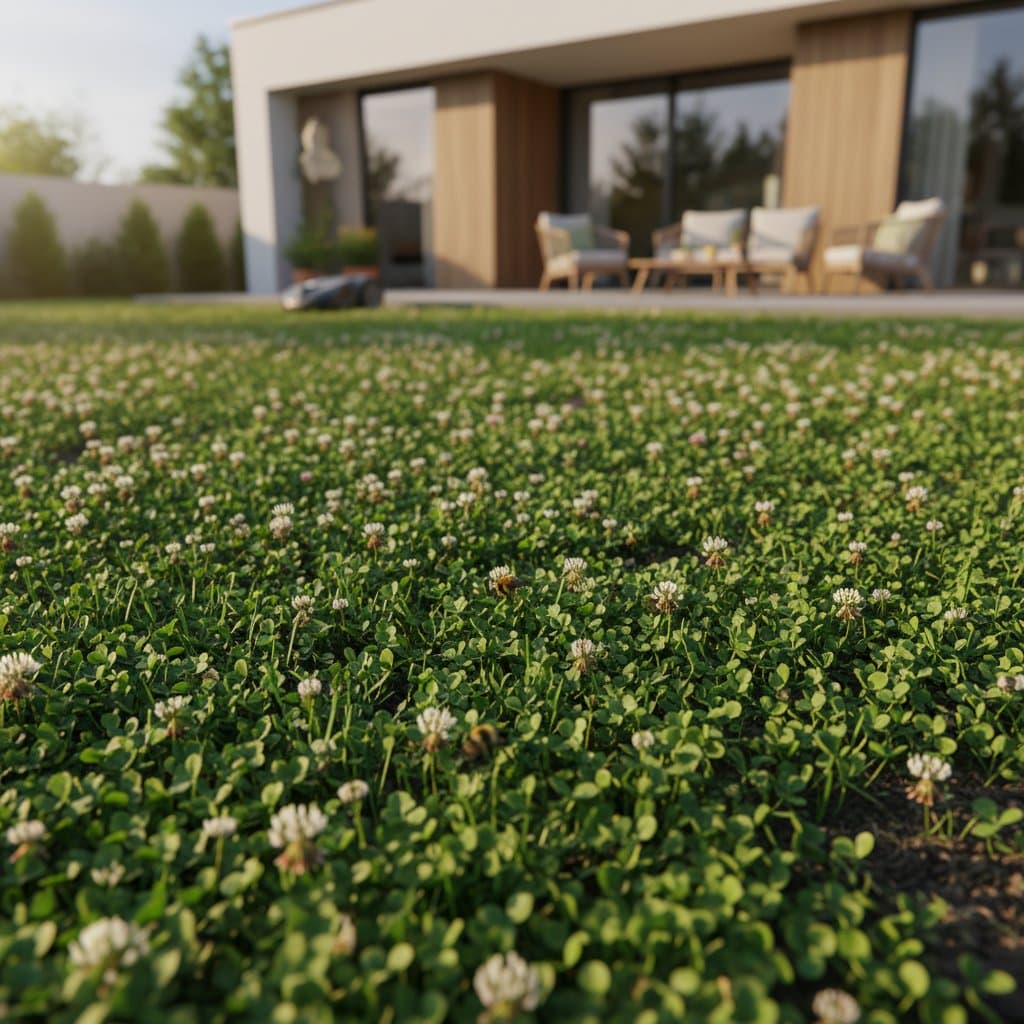
Why Clover Lawns Outperform Traditional Grass for Modern Homeowners
Clover lawns provide a serene aesthetic that surpasses the uniformity of conventional turf. These ground covers maintain their vibrancy during dry periods, offer a plush texture for walking, and foster pollinator populations essential to garden health. Homeowners seeking reduced upkeep alongside enhanced biodiversity find clover an increasingly popular choice.
Key Overview
Suitable Locations: Adaptable to various temperate regions
Applicable Scales: Ideal for compact patios or expansive residential properties
Climate Adaptability: Thrives in conditions with mild to moderate water scarcity
Primary Objective: Substitute demanding grass with a durable, sustainable alternative
1. Reduced Upkeep with Substantial Benefits
Conventional lawns require frequent mowing, extensive irrigation, and consistent nutrient applications. Clover demands far less intervention. After initial establishment, it maintains a compact height and uniform appearance with infrequent cuts.
Landscape professionals note that clover lawns restore leisure time to property owners. The reduced care routine becomes evident within the first season.
Clover's ability to fix nitrogen from the atmosphere nourishes the soil and surrounding vegetation. This process minimizes the need for synthetic fertilizers, curbs weed proliferation, and prevents chemical runoff into local waterways.
Visual suggestion: Delicate white clover blooms enhance the contours of a modest backyard incline.
2. Superior Drought Resistance for Water Conservation
The extensive root systems of clover access deeper moisture reserves, preserving foliage color while adjacent grass wilts. In areas subject to irrigation limits, this advantage proves invaluable. Blends incorporating microclover with limited grass varieties yield a seamless visual effect resilient to seasonal fluctuations.
Design experts highlight that clover typically requires only about half the water volume of standard turfgrass, while retaining a welcoming softness.
Such durability ensures yard usability persists through arid phases and diminishes reliance on inefficient sprinkler setups prone to evaporation losses.
Visual suggestion: A microclover section remains verdant as surrounding turf yellows in intense summer conditions.
3. Essential Support for Pollinator Populations
The nectar-rich flowers of clover draw in bees, butterflies, and other vital insects, bolstering local ecological networks. For households aware of declining pollinator numbers, even modest clover areas contribute significantly to conservation efforts.
These blooms emerge close to the soil surface and can be managed through seasonal mowing. Opt for microclover types to limit flowering while preserving insect nourishment.
Horticulture specialists emphasize that clover lawns integrate city spaces with vital environmental processes. A narrow border planting can sustain pollinators across neighboring properties.
Visual suggestion: A honeybee gathers pollen from an isolated clover flower beside a walkway.
4. Enhanced Comfort Paired with Aesthetic Appeal
Clover surfaces deliver a gentle, temperate feel ideal for barefoot lounging. They withstand pet-related discoloration and rebound swiftly from heavy use. The foliage exhibits a profound green hue, superior to many turf varieties, ensuring consistent vibrancy throughout active growth periods.
Professionals often recommend combining clover with fine fescue or creeping thyme for refined detailing. These mixtures introduce nuanced textures and promote full coverage in irregular spots.
Landscape architects describe clover's compactness as forming an inviting, carpeted expanse. The result appears deliberately curated rather than overlooked.
Visual suggestion: Compact microclover frames a stone-paved relaxation zone, providing a tidy perimeter.
Maintaining and Maximizing Your Clover Lawn
Established clover requires sporadic pruning and supplemental moisture only during prolonged droughts. It deters common pests, improves soil quality, and sustains pigmentation without artificial aids. This method cultivates robust foundations that benefit the entire outdoor environment over years.
Selecting clover extends beyond chore elimination. It embodies an intelligent approach to landscaping that prioritizes endurance and harmony. Homeowners prepared to exchange routine labor for enduring elegance discover clover yields comprehensive environmental gains.