
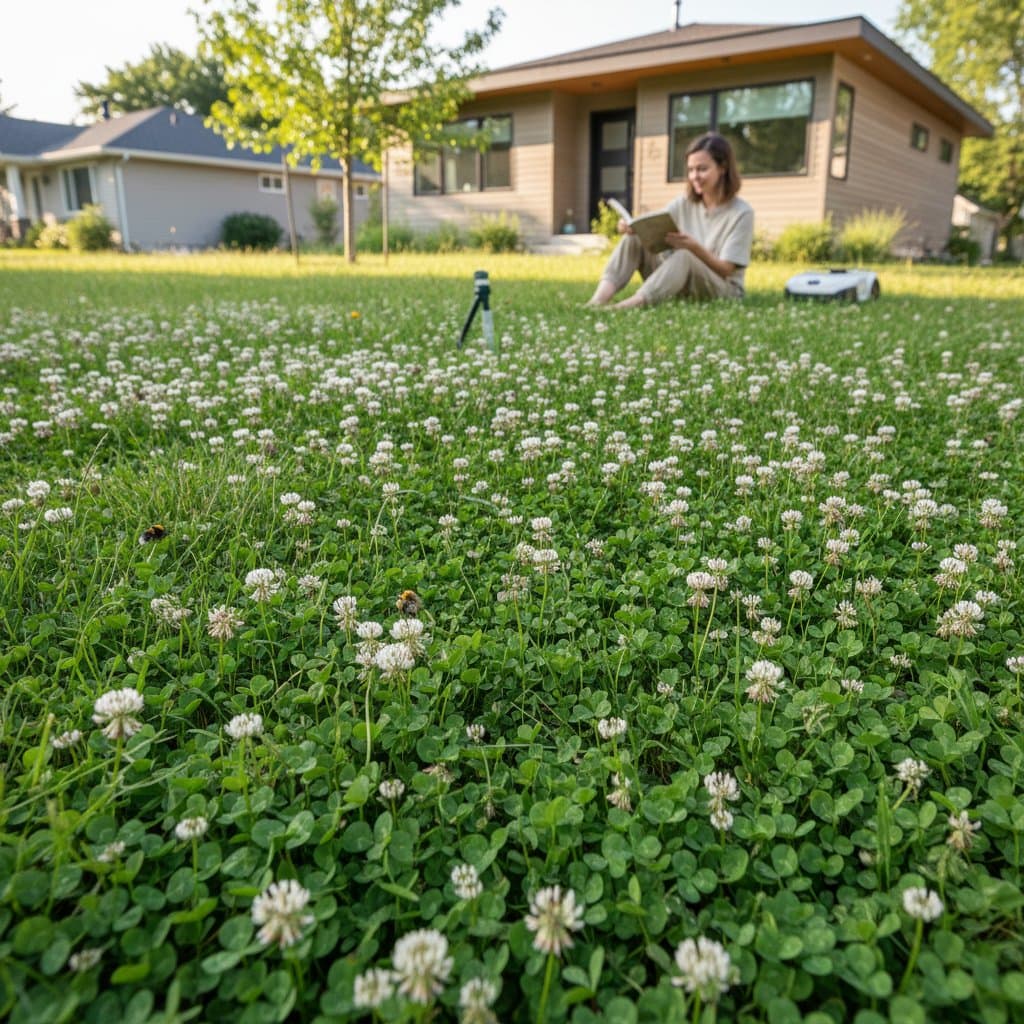
The Surge in Clover as a Superior Grass Alternative
Homeowners nationwide are quietly transforming their yards by replacing conventional turf with a resilient, low-profile plant that demands far less attention. Clover, long overlooked and labeled a weed, has emerged as a premier substitute for grass. It maintains a vibrant green hue, withstands dry periods, and draws in essential pollinators, marking a shift toward more sustainable landscaping.
Key Overview
Suitable Locations: Adapts to temperate zones and warmer regions alike.
Scale: Ideal for compact city lots or expansive suburban expanses.
Climate Preferences: Excels in areas with moderate precipitation yet endures periods of aridity.
Primary Objectives: Develop a sustainable, low-effort lawn that promotes environmental health.
1. Reduced Upkeep for Greater Benefits
Clover lawns require far less frequent mowing, fertilization, and watering compared to standard grass varieties. This efficiency drives their widespread adoption. Clover naturally enriches the soil by fixing nitrogen, which nourishes itself and surrounding vegetation. It flourishes in nutrient-poor conditions where grass typically falters.
A landscape architect observes, "Clover lawns cut down on routine yard tasks while preserving the inviting green appearance that homeowners desire." With its slower growth rate, mowing may occur only once monthly, or even less often in ideal settings.
Design Recommendation: Blend white clover (Trifolium repens) with microclover varieties to achieve a uniform, plush texture. This combination remains compact and thick, ensuring an even lawn surface.
Practical Advantages: Lowers both time and expense for yard care, while fostering soil vitality free from synthetic fertilizers.
Visual Highlight: A microclover expanse creates a plush foundation beneath a backyard lounge space.
2. Seasonal Durability and Adaptability
Unlike grass that fades in extreme heat or excessive moisture, clover demonstrates remarkable flexibility. It tolerates regular foot traffic, rebounds swiftly from wear, and retains its color during moderate dry spells. The extensive root network combats erosion and enhances the soil's capacity to hold water.
A horticultural expert notes, "Clover adjusts to fluctuations in moisture, maintaining its green vitality with infrequent irrigation."
Design Recommendation: Integrate clover with indigenous low-growers such as creeping thyme or sedum to introduce diverse textures and year-round interest.
Practical Advantages: Minimizes watering requirements and secures soil integrity, particularly on inclines or irregular terrain.
Visual Highlight: Clover intertwined with thyme forms an intricate pattern amid garden pathways.
3. Support for Pollinators and Pet Safety
The delicate blooms of clover draw bees, butterflies, and other vital insects, offering a reliable supply of pollen throughout the blooming period. In contrast to certain grass types, clover poses no toxicity risk to pets and provides a gentle surface for play.
A garden designer shares, "Incorporating a clover lawn revitalizes the garden ecosystem. Pollinators like bees and butterflies return promptly, adding noticeable activity."
Design Recommendation: Designate unmowed patches in less-traveled zones to permit full flowering, while neatly trimming high-use areas.
Practical Advantages: Boosts ecological diversity and bolsters regional habitats without compromising the lawn's functionality.
Visual Highlight: Pollinators gather around petite white flowers bordering a stone terrace.
4. Enhanced Comfort and Temperature Regulation
Clover surfaces remain noticeably cooler than traditional grass in high temperatures, thanks to the leaves' ability to retain moisture. This quality enhances barefoot comfort and softens play zones for families and animals alike.
A landscape contractor explains, "Clover lawns offer a cooler, more yielding feel underfoot, making them ideal for social outdoor areas."
Design Recommendation: Position clover adjacent to patios or dining zones to optimize comfort in exposed sunlight.
Practical Advantages: Mitigates surface heat and delivers a pleasant, inviting texture for leisure activities.
Visual Highlight: Dense clover edging tempers the warmth around a fire pit gathering spot.
5. Flexible Design Integration for Contemporary Landscapes
The refined texture and gentle luster of clover complement diverse aesthetics, from cottage-style plots to sleek urban designs. It harmonizes with elements like gravel borders, weathered metal accents, or wooden frames. Pairing it with accent grasses such as little bluestem or prairie dropseed yields a multifaceted, purposeful composition.
A designer comments, "Clover's understated elegance suits traditional and modern contexts, allowing focal features to stand out."
Design Recommendation: Employ clover as a cohesive base layer supporting shrubs, flowering plants, or artistic installations.
Practical Advantages: Establishes seamless visual links and simplifies shifts between distinct garden sections.
Visual Highlight: A clover strip bridges a walkway to an adjacent wildflower planting.
Establishing and Maintaining a Thriving Clover Lawn
Transitioning to clover elevates the yard from a labor-intensive feature to an integral ecological asset. It sustains its verdant appearance over extended periods, attracts beneficial wildlife, and refines the overall ambiance of exterior environments. For those prioritizing eco-conscious choices alongside visual allure, clover presents a viable, effective solution.
To initiate a clover lawn, prepare the site by removing existing turf and loosening the topsoil to a depth of four to six inches. Broadcast seeds at a rate of two to four pounds per 1,000 square feet in early spring or fall, then lightly rake and water gently to encourage germination, which typically occurs within seven to fourteen days. Once rooted, mow at a height of two to three inches to promote density, water deeply but infrequently during establishment, and overseed annually in thin spots to maintain coverage. This straightforward routine ensures enduring resilience and beauty with minimal intervention.