
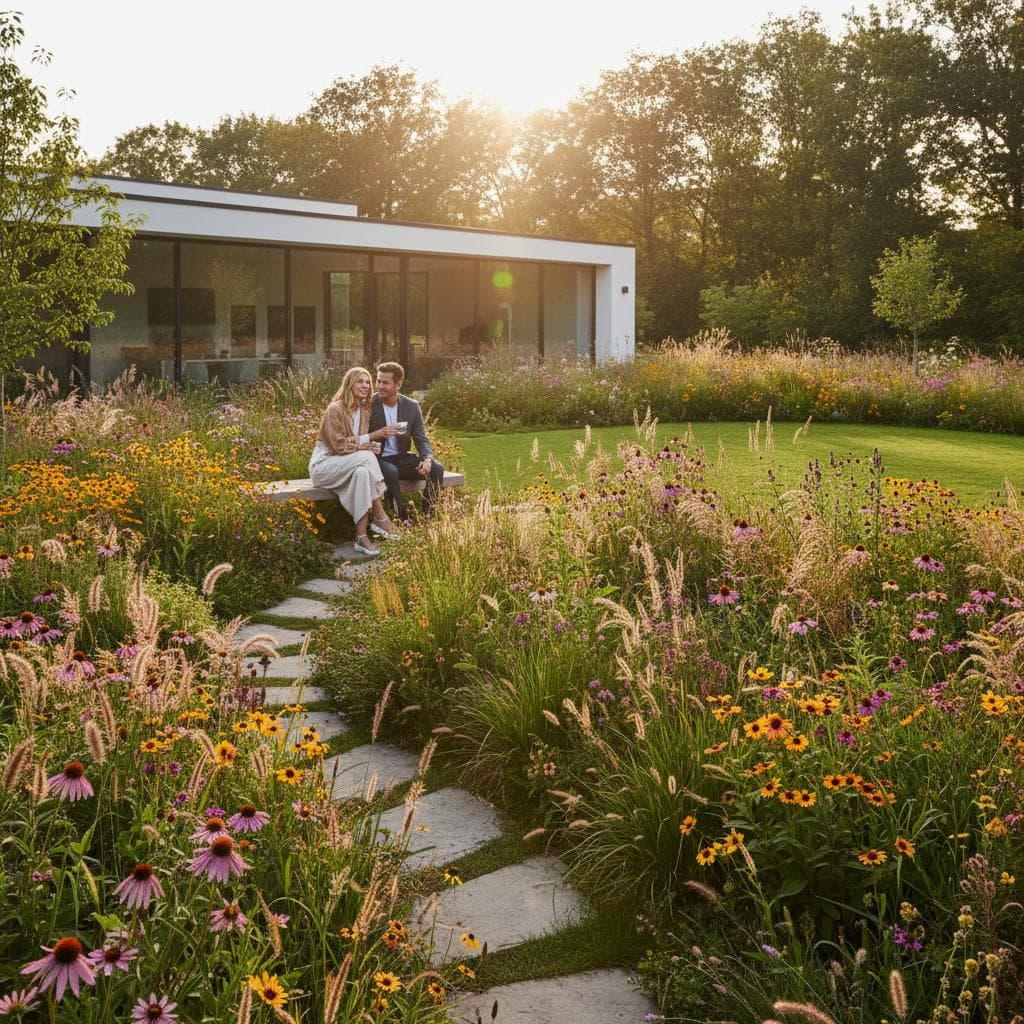
Why Meadow Lawns Require Less Maintenance Than Traditional Turf
Meadow lawns offer homeowners a vibrant, dynamic alternative to the uniform expanse of traditional turf. These natural landscapes sway gently in the breeze, attract pollinators, and evolve through the seasons without demanding constant attention. Homeowners appreciate the reduced effort in mowing, watering, and chemical applications, which results in both aesthetic appeal and practical benefits.
The shift to a meadow lawn aligns with growing interest in sustainable gardening. Native plants form the foundation, requiring minimal intervention once established. This approach not only saves time but also enhances local ecosystems by supporting wildlife and improving soil health.
At a Glance
- Location: Ideal for suburban and rural properties
- Size: Suitable for areas ranging from small front yards to expansive backyards
- Climate Zone: Flexible with selections of regionally appropriate native plants
- Project Goal: Minimize ongoing care while promoting biodiversity and natural beauty
1. Assess Your Site and Plan the Transition
Before transforming your yard, evaluate the existing conditions to ensure success. Consider sunlight exposure, soil type, and current vegetation to select compatible plants. This initial assessment prevents future issues and tailors the meadow to your space.
Functional benefit: Proper planning avoids costly corrections and ensures plants thrive with minimal support.
Design insight: Map out the area, noting drainage patterns and wind directions. Integrate features like paths or borders to define the meadow's edges.
Example: In a sunny suburban lot with clay soil, test pH levels and amend lightly if needed. Sketch a simple layout that incorporates taller grasses at the back and lower flowers near walkways.
A landscape architect might say, "Start with the site's story. Understanding its needs leads to a resilient, low-care design."
Visual callout: Sketch of a yard layout showing plant zones and pathways.
2. Prepare the Ground Thoughtfully
Site preparation forms the critical first step in creating a low-maintenance meadow. Remove competing vegetation to give native plants a strong start. This process minimizes long-term weeding and fosters healthy root development.
Functional benefit: Clearing the area reduces competition, allowing meadow species to establish deeply and efficiently.
Design insight: Loosen soil to a depth of six inches and incorporate organic matter sparingly. Steer clear of synthetic fertilizers that promote weed growth.
Example: Cover the site with clear plastic sheeting for four to six weeks during warm weather to solarize and eliminate grass seeds. Follow with a one-inch layer of compost to enrich the soil without overwhelming it.
A horticulturist might say, "The cleaner your start, the easier your meadow will be to maintain. It is about setting the right conditions, not fighting them later."
Visual callout: Bare soil prepped and ready for seed shows careful groundwork before meadow establishment.
3. Select and Plant Native Species
Choosing the right plants ensures your meadow flourishes with little intervention. Focus on natives adapted to your region for resilience against pests and drought. Diversity in species creates a balanced, self-sustaining ecosystem.
Functional benefit: Native plants require no supplemental feeding and resist local diseases, cutting maintenance needs significantly.
Design insight: Aim for a mix of grasses, forbs, and wildflowers. Broadcast seeds evenly or plant plugs in clusters for natural distribution.
Example: In a Midwest garden, sow a blend of little bluestem grass, black-eyed Susan, and bee balm. Water lightly during the first season to encourage germination, then rely on rainfall.
A botanist might say, "Natives know their home. They build soil and support life with far less human help."
Visual callout: Freshly sown seeds germinate into green shoots across prepared earth.
4. Mow Less, Observe More
Adjust your maintenance routine to let the meadow develop its natural form. Infrequent mowing preserves plant health and wildlife habitats. This practice shifts the focus from labor to appreciation.
Functional benefit: Less frequent cuts conserve resources and allow seeds to mature, promoting self-seeding for future growth.
Design insight: Schedule mows for late winter or early spring, and once in fall if needed. Heighten the blade to four inches to avoid stressing the plants.
Example: In a half-acre backyard, create mown paths that meander through the taller growth. This technique provides access while highlighting the meadow's wild elements.
A garden designer might say, "Mowed paths act like punctuation. They guide the eye and make the wildness feel designed."
Visual callout: Curved mown path winds through tall grasses dotted with wildflowers.
5. Manage Weeds and Pests Naturally
Weeds may appear initially, but proactive yet gentle management keeps them in check. Encourage beneficial insects and birds to handle pests without chemicals. This method maintains the meadow's ecological balance.
Functional benefit: Natural controls reduce the need for interventions, preserving the soil's microbial life.
Design insight: Hand-pull persistent weeds during the establishment phase. Mulch lightly around young plants to suppress growth.
Example: Introduce ladybugs to combat aphids on emerging flowers. Monitor for invasives like garlic mustard and remove them promptly to protect natives.
An ecologist might say, "Balance comes from within. Let nature's allies do the work of defense."
Visual callout: Hand removing a weed from among native seedlings.
6. Layer Textures and Heights
Build visual interest by varying plant forms and elevations. This layering creates depth and prevents monotony. It also optimizes space for different species to coexist.
Functional benefit: Diverse heights provide habitat layers, from ground cover to overhead structure, benefiting various wildlife.
Design insight: Position tall perennials at the rear and low-growers in front. Mix textures like soft plumes with bold leaves for dynamic contrast.
Example: Layer sideoats grama at mid-height with purple prairie clover below and little bluestem accents. The combination shifts appearance from dawn to dusk.
A designer might say, "Texture is what keeps a meadow interesting even after the flowers fade."
Visual callout: Feathery grasses catch the light behind low drifts of purple blooms.
7. Foster Biodiversity Through Companion Planting
Incorporate a range of species to attract pollinators and deter issues. This diversity strengthens the meadow's resilience. It turns the space into a thriving habitat.
Functional benefit: Pollinators ensure seed production, reducing replanting needs over time.
Design insight: Include nectar-rich flowers and host plants for butterflies. Avoid monocultures to prevent pest outbreaks.
Example: Pair milkweed with coneflowers to support monarchs. The resulting buzz of activity enhances the meadow's vitality.
A wildlife expert might say, "Diversity invites life. A single meadow can sustain an entire food web."
Visual callout: Butterflies visit clustered wildflowers in a diverse planting.
8. Encourage Seasonal Interest
Design for year-round appeal by selecting plants with varied cycles. This ensures the meadow remains engaging beyond peak bloom. Winter structures add subtle beauty.
Functional benefit: Staggered interest provides continuous forage for wildlife, maintaining ecosystem health.
Design insight: Select early spring ephemerals, summer bloomers, and fall seeders. Grasses offer structure through dormancy.
Example: Integrate penstemon for spring, coreopsis for summer, and goldenrod for autumn. Indian grass provides upright form in winter.
A planting designer might say, "A good meadow never looks the same twice. It rewards attention in every season."
Visual callout: Dried seed heads shimmer in low light, adding sculptural beauty after bloom.
9. Monitor and Adjust for Long-Term Health
Regular observation allows subtle tweaks to sustain the meadow. Track growth patterns and respond to changes. This vigilance ensures longevity without heavy labor.
Functional benefit: Early detection of imbalances prevents larger problems, keeping maintenance low.
Design insight: Visit monthly to note dominant species or bare spots. Reseed as needed to maintain coverage.
Example: If one area thins, add plugs of underperforming natives. Adjust based on rainfall variations.
A steward might say, "Observation is the meadow's best friend. Small actions preserve its wild grace."
Visual callout: Notebook with notes on plant performance beside the meadow.
10. Reduce Water Use and Maintenance Costs
Meadow lawns excel in resource efficiency, demanding far less than turf. Deep-rooted natives access groundwater effectively. This setup lowers bills and environmental impact.
Functional benefit: Minimal watering after establishment conserves water and eliminates irrigation infrastructure.
Design insight: Group drought-resistant plants together. Mulch to retain soil moisture during dry spells.
Example: Switch to buffalo grass, yarrow, and purple coneflower in arid zones. One homeowner halved water usage and stopped mowing routines entirely.
A sustainability consultant might say, "Every gallon saved adds up. Meadows prove that beauty and resource efficiency can go hand in hand."
Visual callout: Drought-tolerant meadow thrives under full sun with no irrigation system.
11. Integrate with Existing Landscape Features
Blend the meadow seamlessly into your yard for cohesive appeal. Connect it to gardens or hardscapes thoughtfully. This integration enhances overall harmony.
Functional benefit: Unified design reduces edge maintenance and creates fluid outdoor spaces.
Design insight: Use edging plants or stones to transition zones. Align paths for easy navigation.
Example: Border the meadow with low shrubs leading to a patio. The flow invites exploration without barriers.
A landscape planner might say, "Integration turns pieces into a whole. The meadow becomes part of the home's story."
Visual callout: Meadow flowing into a stone path and garden bed.
12. Embrace the Changing Aesthetic
Accept the meadow's natural evolution as a feature, not a flaw. Shifts in dominance add character over years. This fluidity embodies sustainable living.
Functional benefit: Self-regulation stabilizes the plant community, decreasing intervention requirements.
Design insight: Document changes to appreciate progress. Intervene only for true imbalances.
Example: One year brings abundant black-eyed Susans; the next favors grasses. Each phase enriches the experience.
A planting designer might say, "The beauty of a meadow is in its movement. It teaches patience and rewards observation."
Visual callout: Seasonal shifts bring waves of color as species take turns in bloom.
Sustaining Your Meadow Over Time
Established meadows demand little beyond annual cuts and occasional oversight. Early spring trimming removes winter debris, while fall mowing redistributes seeds. Watch for invasives and celebrate the returning wildlife.
Birds nest in the heights, insects thrive in the understory, and the soil regenerates naturally. This living tapestry not only simplifies yard care but also connects you to the local environment. Enjoy the rewards of a space that nurtures itself.