
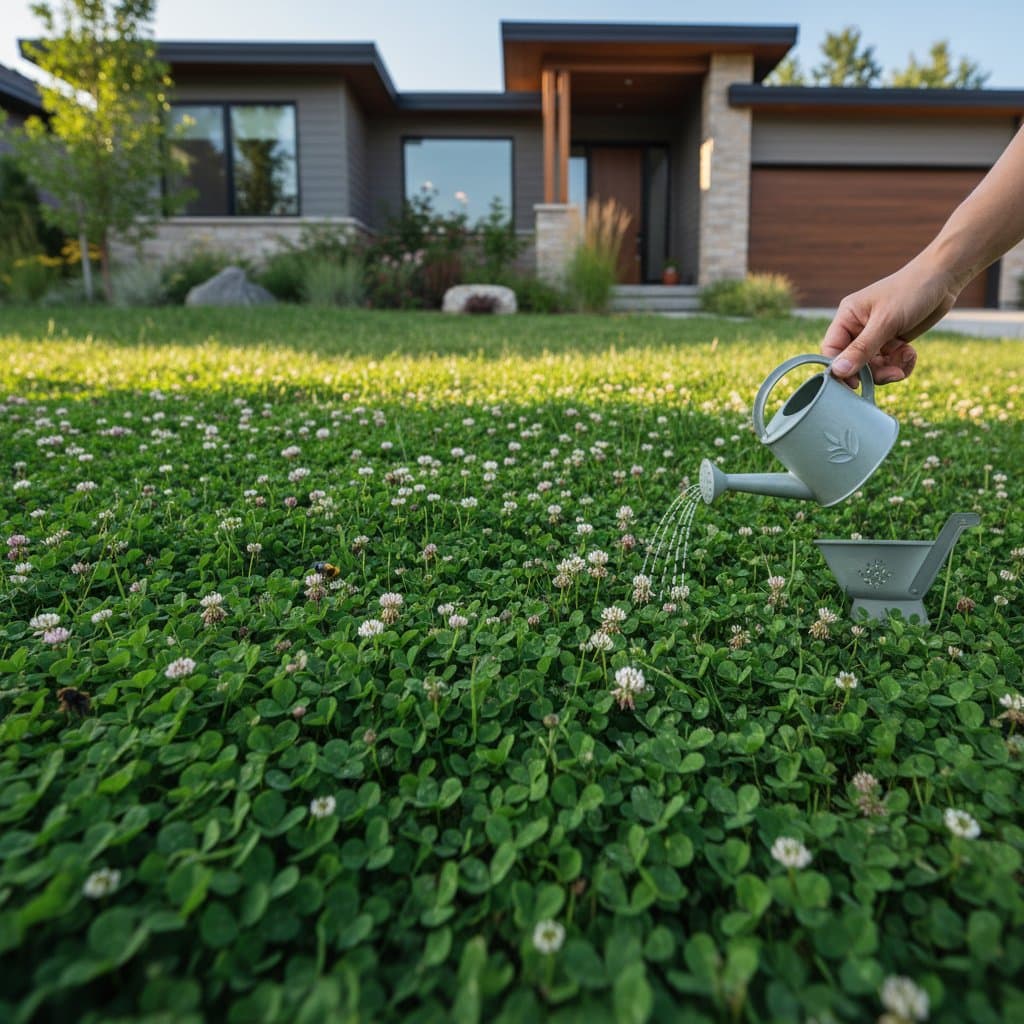
Clover Lawns Surge: Why Homeowners Ditch Grass for Good
A quiet revolution unfolds in front yards and backyards across the country. Homeowners exchange traditional grass for clover, a low-growing, resilient plant long dismissed as a weed. This change yields a softer, greener, more sustainable surface that feels pleasant underfoot and maintains vibrancy through the seasons. Clover lawns foster a fresh approach to outdoor living, grounded in practicality and ecological harmony.
At a Glance
Location: Adapts to most temperate regions
Size: Scales from compact courtyards to expansive suburban lots
Climate Zone: Excels in moderate to cool climates
Project Goal: Minimize maintenance, enhance biodiversity, and achieve a natural appearance
1. Rethink the Definition of a Lawn
Clover lawns question the notion that an ideal yard requires turf alone. Homeowners replace or blend clover with existing grass to form a lush green carpet that flourishes with minimal effort.
A landscape designer observes, "Clover demands less from you and delivers more in return." This perspective transforms yards into functional ecosystems rather than ongoing chores.
Functional benefit: Clover grows densely to suppress weeds and prevent bare spots. It requires infrequent mowing and retains green color during moderate dry periods.
Design insight: The fine texture and small leaves of clover reflect light in a unique way, creating a soft, natural sheen distinct from grass. Combine white clover or microclover with fescue or ryegrass for a blended, velvety surface that avoids a worn appearance.
Example: A suburban front yard, previously mowed weekly, now incorporates a clover-rich blend that thrives on half the water and eliminates fertilizer needs.
Visual callout: Close-up view of white clover blooms scattered through fine fescue.
2. Save Water Without Sacrificing Beauty
Water-efficient landscapes represent more than a passing fad. Clover lawns succeed where traditional grass falters, thanks to deep roots that access moisture from deeper soil layers. They preserve green hues and texture during dry spells when turf turns brown.
A horticulturist notes, "The root depth of clover provides remarkable endurance. It maintains color and form while other lawns enter dormancy."
Functional benefit: Reduced irrigation lowers utility costs and eases compliance with watering limits. Clover's ability to retain moisture also benefits adjacent shrubs and perennials.
Design insight: Integrate clover lawns with gravel paths or borders of decomposed granite for a crisp, modern aesthetic. These textures contrast with clover's organic form, ensuring the design remains deliberate.
Example: A backyard entertainment space, bordered by clover lawn and stone pavers, delivers lushness and efficiency, demonstrating that sustainability enhances refinement.
Visual callout: Stone paver path bordered by dense microclover.
3. Skip the Fertilizer and Still Get Green
Clover naturally converts atmospheric nitrogen into soil nutrients, sustaining itself and nearby plants. This inherent process obviates synthetic fertilizers, curbing chemical runoff and associated expenses.
A soil specialist explains, "Clover functions as nature's fertilizer plant. It enriches the soil with each growth cycle."
Functional benefit: The self-nourishing mechanism ensures steady color and development without routine applications. Grass blended with clover often exhibits greater vitality from the shared resources.
Design insight: Permit clover to intermingle freely with turf, avoiding strict borders. This interwoven pattern conveys an informal yet intentional style, reminiscent of meadows. To establish such a blend, overseed existing grass with clover seed in early spring or fall, then water lightly until germination.
Example: In a mixed lawn, Dutch white clover maintains a soft, green surface, complemented by native sedges along the edges for added visual interest.
Visual callout: Close shot of clover leaves with morning dew.
4. Invite Pollinators and Improve Biodiversity
Conventional grass lawns provide scant support for local wildlife. Clover, however, attracts bees, butterflies, and beneficial insects through its delicate white flowers. Partial conversion to clover revives a barren yard into a dynamic, buzzing environment.
A garden ecologist states, "Clover restores vitality to the lawn. Each flower serves as a vital food source for pollinators."
Functional benefit: Greater biodiversity bolsters the ecosystem and promotes natural pest management. Abundant pollinators enhance the health of nearby fruit trees and blooming plants. To maximize appeal, select low-bloom varieties for tidiness or allow full flowering for peak wildlife support.
Design insight: Opt for microclover to minimize visible flowers or small-leaf types like 'Pipolina' for uniformity. In wilder designs, pair standard white clover with native wildflowers such as black-eyed Susan or prairie dropseed; sow seeds together in prepared soil for seamless integration.
Example: A family yard featuring microclover now draws butterflies and bees during warm months, without appearing unkempt.
Visual callout: Bee resting on a single clover bloom near a patio edge.
5. Reduce Mowing and Noise
Clover lawns grow more slowly and to a lower height than turf grasses. Most types reach only six inches, permitting mowing once or twice annually rather than weekly. This reduction conserves fuel, diminishes emissions, and frees homeowner time.
A landscape contractor remarks, "Clover lawns offer rewarding silence. You can hear the birds once more."
Functional benefit: Fewer mowing sessions prevent soil compaction and cut labor demands. The uniform growth maintains tidiness without frequent intervention. For best results, mow at three inches when needed, using sharp blades to avoid tearing.
Design insight: Achieve a polished appearance by edging clover lawns with steel, brick, or flagstone. These boundaries lend structure to informal plantings. Install edging by digging a shallow trench and securing materials firmly against the soil.
Example: A compact courtyard lawn, edged with brick, frames the soft green expanse crisply, harmonizing structure and natural appeal.
Visual callout: Brick border outlining a low-growing clover lawn.
6. Handle Foot Traffic Gracefully
Clover provides a soft sensation underfoot while enduring moderate use. It rebounds from footsteps and accommodates light activities, suiting family yards or pathways.
A turf manager comments, "Clover proves remarkably durable. It withstands daily traffic provided the soil drains adequately."
Functional benefit: The plant's resilience averts wear paths, and its rapid recovery suits spaces for picnics or play. Ensure success by testing soil drainage; amend heavy clay with compost if necessary before planting.
Design insight: Merge clover with stepping stones or gravel strips to spread foot pressure and add visual interest. This method guides movement while safeguarding growth. Space stones 18 to 24 inches apart in the clover bed for comfortable navigation.
Example: A backyard with stone pavers embedded in clover facilitates barefoot strolls and preserves a casual vibe.
Visual callout: Stepping stones floating through a patch of clover.
7. Embrace a Natural Look That Fits Modern Design
Clover lawns suit traditional and contemporary gardens alike. Their consistent tone and subtle texture pair well with wooden decks, concrete patios, or stone terraces. They bridge lawn and garden elements, accommodating diverse outdoor aesthetics.
A landscape architect asserts, "Clover lawns appear deliberate alongside geometric forms. They temper the sharpness of modern designs."
Functional benefit: Clover's versatility facilitates incorporation with current plantings or phased turf replacement. Begin small by overseeding high-traffic areas to observe performance before full commitment.
Design insight: Employ clover as a cohesive ground cover under trees or around beds. It links garden zones visually, controls erosion, and stabilizes soil. Prepare the site by removing weeds and loosening topsoil to two inches deep for optimal establishment.
Example: A sloped yard with microclover flows seamlessly from patio to perennial borders, unifying the layout.
Visual callout: Gentle slope covered in microclover connecting patio and garden beds.
Integrating Clover into Everyday Outdoor Life
Adopting a clover lawn alters the sensory and practical experience of outdoor areas. The space grows more resilient, serene, and intertwined with nature. Maintenance diminishes, expenses decrease, and the landscape pulses with renewed energy.
Clover serves as a complete turf substitute or turf companion, restoring equilibrium to the yard. It repays stewardship with endurance and elevates every green expanse into an act of environmental renewal. This transition reshapes not only the yard's appearance but also how individuals engage with their surroundings.