
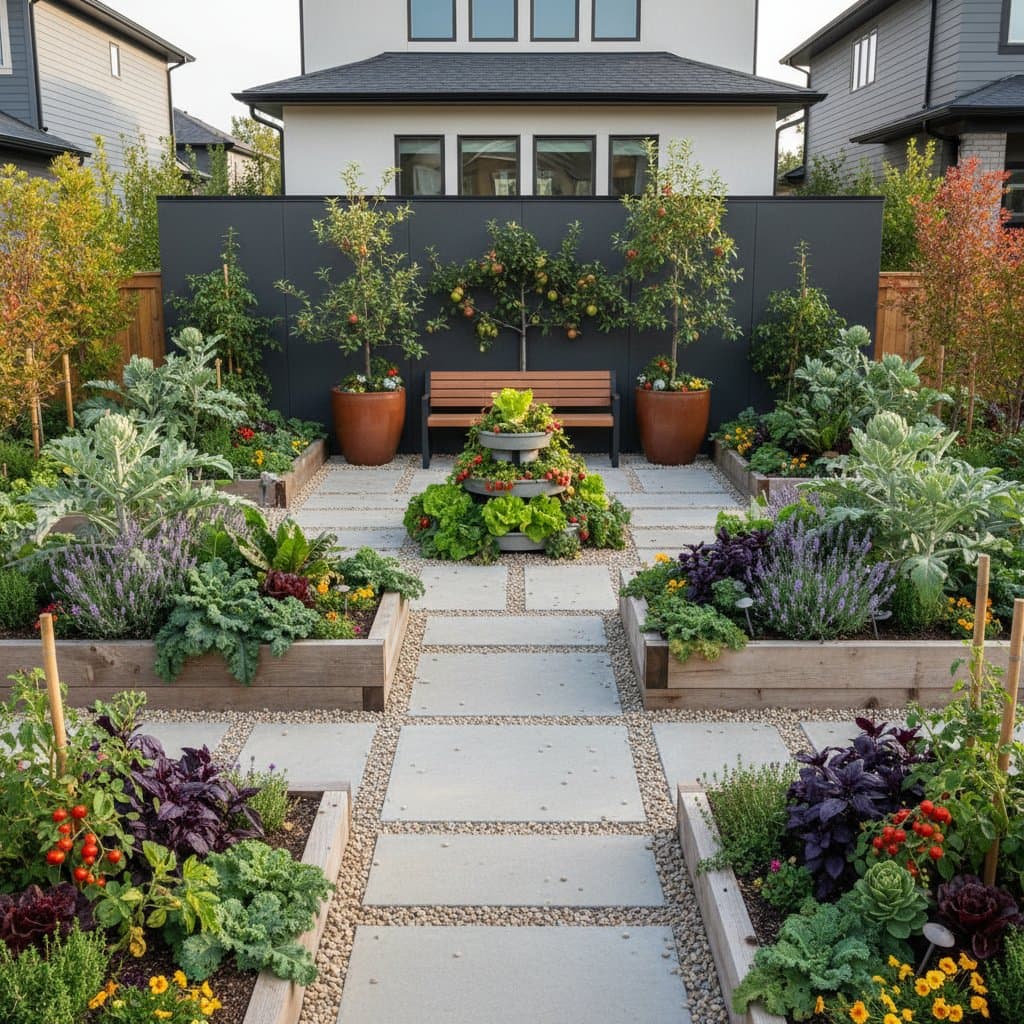
Designing Edible Front Yards That Comply with HOA Rules
A front yard that provides fresh food for the family while receiving compliments from neighbors remains achievable, even with stringent HOA regulations. Creative planning and careful plant selection enable the creation of a polished space that adheres to community standards and yields abundant produce. The essential approach involves integrating form and function, ensuring every edible element contributes to the decorative appeal.
Develop a Structured Landscape Plan
HOAs typically oppose front yard vegetable gardens that resemble unkempt agricultural plots. A comprehensive design plan mitigates this concern. Establish distinct boundaries using stone, metal, or brick edging to frame the area. Incorporate gentle curves and symmetrical patterns to present the garden as a purposeful landscape feature rather than a haphazard crop patch. Raised beds offer additional structure, containing plants and elevating them for easier access and maintenance.
This organized layout demonstrates ongoing care and intentionality. For instance, when cultivating kale or lettuce, align the beds symmetrically and pave paths with gravel or pavers to emphasize order. Such elements reassure HOA reviewers that the space receives regular attention, blending productivity with professionalism.
Select Ornamental Plants with Edible Qualities
An effective edible garden integrates seamlessly when it mimics traditional ornamental designs. Numerous herbs and fruit-bearing plants fulfill this dual purpose. Opt for these versatile choices that enhance conventional landscapes:
- Blueberry shrubs as foundation plantings or border accents, providing year-round interest with their compact form and autumn color.
- Rosemary and lavender as evergreen hedges, offering fragrance and texture while requiring minimal pruning.
- Strawberries as low-maintenance ground covers along walkways, their runners creating a lush carpet of green.
- Swiss chard and purple basil for vibrant foliage that adds seasonal color without overwhelming the design.
- Dwarf citrus or fig trees as striking focal points, their glossy leaves and potential fruit display contributing elegance.
These selections appear purely decorative yet deliver harvests. Their neat growth habits and attractive features ensure they pass HOA scrutiny effortlessly. To maximize success, choose varieties suited to your climate zone; for example, select cold-hardy blueberries in northern regions or heat-tolerant rosemary in warmer areas.
Integrate Edibles with Classic Ornamental Plants
Blending edibles into established plantings allows them to blend unobtrusively. Combine rosemary with salvia in a Mediterranean-inspired bed for cohesive texture. Position rainbow Swiss chard alongside marigolds and salvias to create dynamic color contrasts. Employ thyme or oregano as edging plants between stepping stones, filling gaps with their sprawling habits.
Careful vegetable choices further support this integration. Select compact tomato varieties supported by ornate metal cages that double as decorative supports. Kale with its ruffled, deep blue-green leaves pairs elegantly with perennials or ornamental grasses, adding height variation. Aim for diversity in plant heights, from low ground covers to mid-level shrubs, fostering a balanced, layered appearance that feels intentionally curated.
This mixed planting strategy not only disguises edibles but also promotes biodiversity. Pollinator-friendly companions like marigolds attract beneficial insects, reducing pest issues naturally and supporting overall garden health.
Incorporate Containers and Vertical Elements
When in-ground planting faces restrictions, containers provide a compliant alternative. Arrange glazed ceramic pots or uniform planters along driveways to accommodate peppers, dwarf tomatoes, or strawberries. These vessels allow precise control over soil quality and watering, essential for thriving edibles in varied conditions.
Vertical structures expand options without encroaching on ground space. Install trellises against walls or fences for climbing peas, beans, or cucumbers, training vines to maintain a tidy profile. Such setups contain growth effectively and enhance visual interest, resembling artistic features rather than utilitarian supports.
Containers offer practical advantages beyond compliance. Relocate them for optimal sun exposure, rotate crops to prevent soil depletion, or store them during HOA inspections. For best results, group pots in odd numbers for aesthetic balance and use saucers to catch drainage, preventing stains on hard surfaces.
Maintain the Garden with Regular Care
Inconsistent upkeep invites scrutiny from HOAs. Schedule routine trimming, mulching, and harvesting to preserve a polished look. Promptly remove spent leaves, secure tall plants with stakes, and clear debris from walkways. Succession planting replaces harvested crops with fast-maturing options like arugula or cilantro, ensuring continuous coverage.
Efficient irrigation systems, such as drip lines, deliver water directly to roots, minimizing waste and avoiding soil erosion onto sidewalks. Apply organic mulch around plants to suppress weeds, retain moisture, and create a uniform, professional finish. These practices not only comply with aesthetic rules but also optimize plant vigor, leading to higher yields.
Regular maintenance routines build confidence in the design. Document your care schedule in a simple journal to track progress and adjust as needed, reinforcing the garden's role as a valued landscape asset.
Harvesting Rewards from a Compliant Design
An edible front yard aligns effortlessly with community guidelines through strategic planning. This approach yields fresh produce, sustains curb appeal, and fosters positive neighborhood relations. Begin with a modest plot, monitor local feedback, and gradually incorporate more edibles. The joy of gathering homegrown items steps from your door, paired with the pride of a thriving, approved garden, rewards every effort invested.