
Why Clover Lawns Outperform Traditional Grass for Environmentally Conscious Homeowners
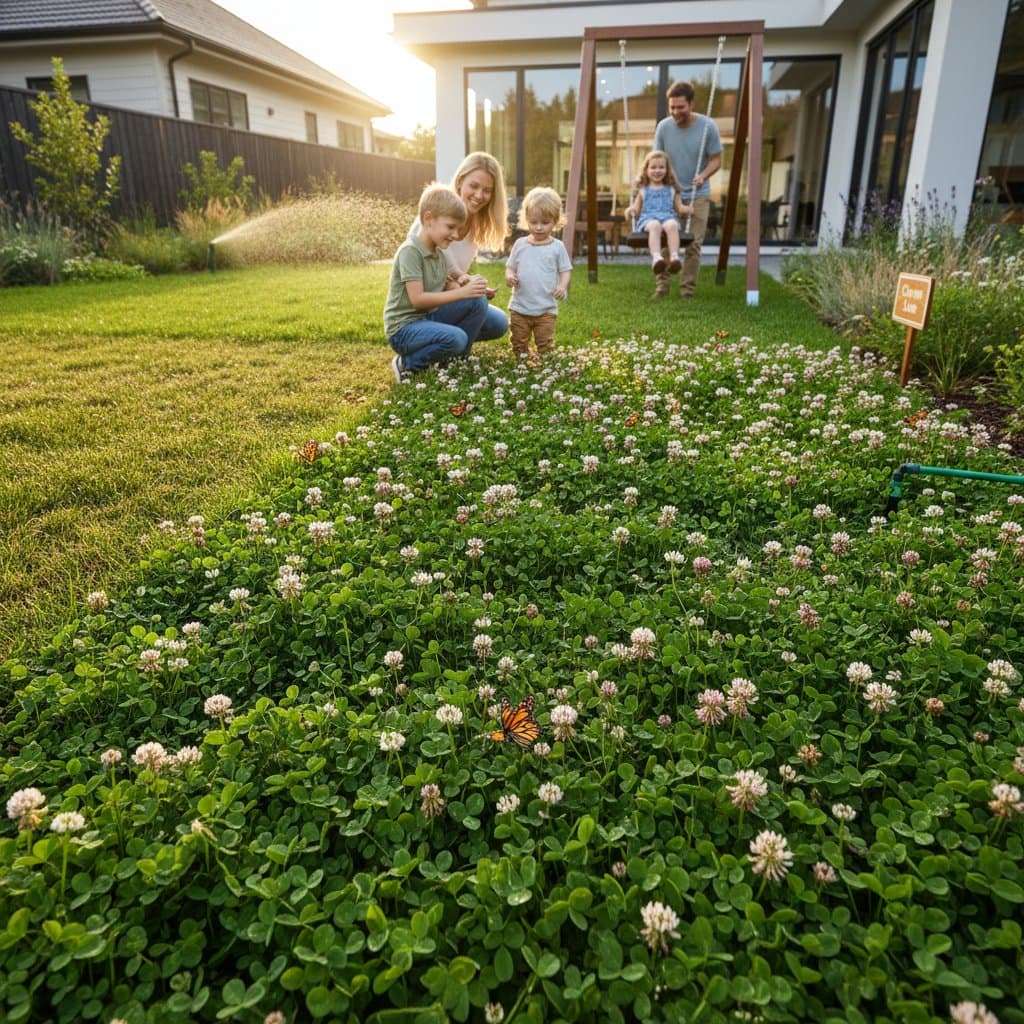
Laura and Ben sought a vibrant yard upon settling into their suburban home. They envisioned a landscape that thrived independently, welcomed pollinators, and maintained its appeal without excessive irrigation or frequent trimming. Through targeted research and initial trials, they transitioned their standard turf to a clover blend. This shift yielded a resilient ground cover that enhanced aesthetics, demanded minimal upkeep, and revived bee activity in their garden.
Shifting Toward Sustainable Lawn Choices
The choice to abandon grass stems from both efficiency and environmental responsibility. Conventional lawns demand weekly cutting, periodic nutrient applications, and consistent watering schedules. Over time, these demands often eclipse the aesthetic rewards for property owners. Clover lawns present an alternative that sustains a verdant expanse during drought periods while fostering soil vitality rather than eroding it.
Laura noted, “Once we learned that clover fixes nitrogen naturally, it just made sense.” She added, “We were tired of feeding a lawn that gave nothing back.”
Homeowners can initiate this change by evaluating their current soil conditions. A simple soil test reveals pH levels and nutrient profiles, guiding the selection of appropriate clover varieties. This preparation ensures successful establishment and long-term performance.
Visual and Sensory Qualities of Clover Lawns
Clover lawns feature a delicate texture and a refreshing green hue that appeals to many observers. Dutch white clover reaches a modest height of three to five inches and yields petite white flowers that draw bees and butterflies. Microclover, with its finer leaves, creates a compact, even surface suitable for formal landscapes.
Those wary of pollinators can mow the clover just prior to peak flowering to limit blooms while preserving plant health. Contemporary designs often blend clover with other species to harmonize ecological support and usability for recreation.
The feel underfoot distinguishes clover distinctly. Feet yield gently to its plush layer, which retains softness amid warm temperatures. Animals delight in its cushion, children romp freely, and the cover rebounds from wear without developing sparse areas.
To enhance sensory appeal, integrate pathways of stepping stones amid the clover. These elements guide foot traffic and prevent compaction, preserving the lawn's inviting quality over seasons.
Selecting an Optimal Clover Variety
The ideal clover type hinges on yard dimensions and intended functions. Dutch white clover, or Trifolium repens, adapts well to typical home settings with its balanced growth and expansive spread. Microclover, a refined form of Trifolium repens, develops a thick turf and integrates seamlessly with fine fescue or ryegrass for a hybrid appearance.
On expansive or wilder estates, red clover or diverse clover combinations promote greater species variety. Such selections bolster pollinator populations and refine soil structure over broad expanses.
Experts at GreenStep Outdoor Design suggest pairing microclover with 20 percent fine fescue seed. This method upholds a recognizable lawn feel while slashing care requirements. The species cooperate by sharing water and essential elements effectively.
Before seeding, clear existing vegetation and till the soil lightly to a depth of two inches. Sow seeds in spring or fall at a rate of five pounds per 1,000 square feet, then roll the area gently to ensure seed-to-soil contact. Water lightly until germination, typically within seven to ten days.
Key Environmental and Practical Advantages
Clover lawns aid pollinators, curb pollutant leaching, and diminish residential water usage. Their extensive roots capture carbon efficiently and build soil structure. These attributes position clover as a premier option for eco-friendly yard designs.
Practically, clover simplifies daily life. Reduced trimming frees up leisure time. Lower irrigation cuts utility costs and eases compliance with conservation mandates during arid periods. The result is a dynamic space that pulses with natural energy rather than rigid perfection.
Ben reflected, “Once we switched, we realized how much time we used to spend keeping grass alive.” He continued, “Now the lawn takes care of itself. It’s made us rethink what a yard should be.”
Additional perks include natural weed suppression, as clover's dense growth outcompetes intruders. This trait reduces the need for herbicides, further aligning with sustainable practices. Over years, the soil gains fertility, potentially eliminating supplemental fertilizers.
Maintaining and Enjoying a Clover Lawn
Establishment requires patience, but rewards follow swiftly. Water new plantings consistently for the first month to encourage root development. Thereafter, rely on rainfall, supplementing only during prolonged dry spells with one inch of water weekly.
Mow to a height of two to three inches every two to three weeks, removing no more than one-third of the blade length at a time. This practice promotes density and controls flowering as needed. Aerate annually to enhance drainage and nutrient uptake.
Laura and Ben's clover lawn now thrives in a predictable cycle. Delicate white flowers emerge in early summer, transitioning to a reliable green cover. Their journey illustrates clover's role beyond mere substitution; it fosters harmony with the outdoors.
For those prepared to evolve their property, clover delivers straightforward transformation. It sustains verdancy, nurtures earth, and infuses vitality into everyday surroundings.