
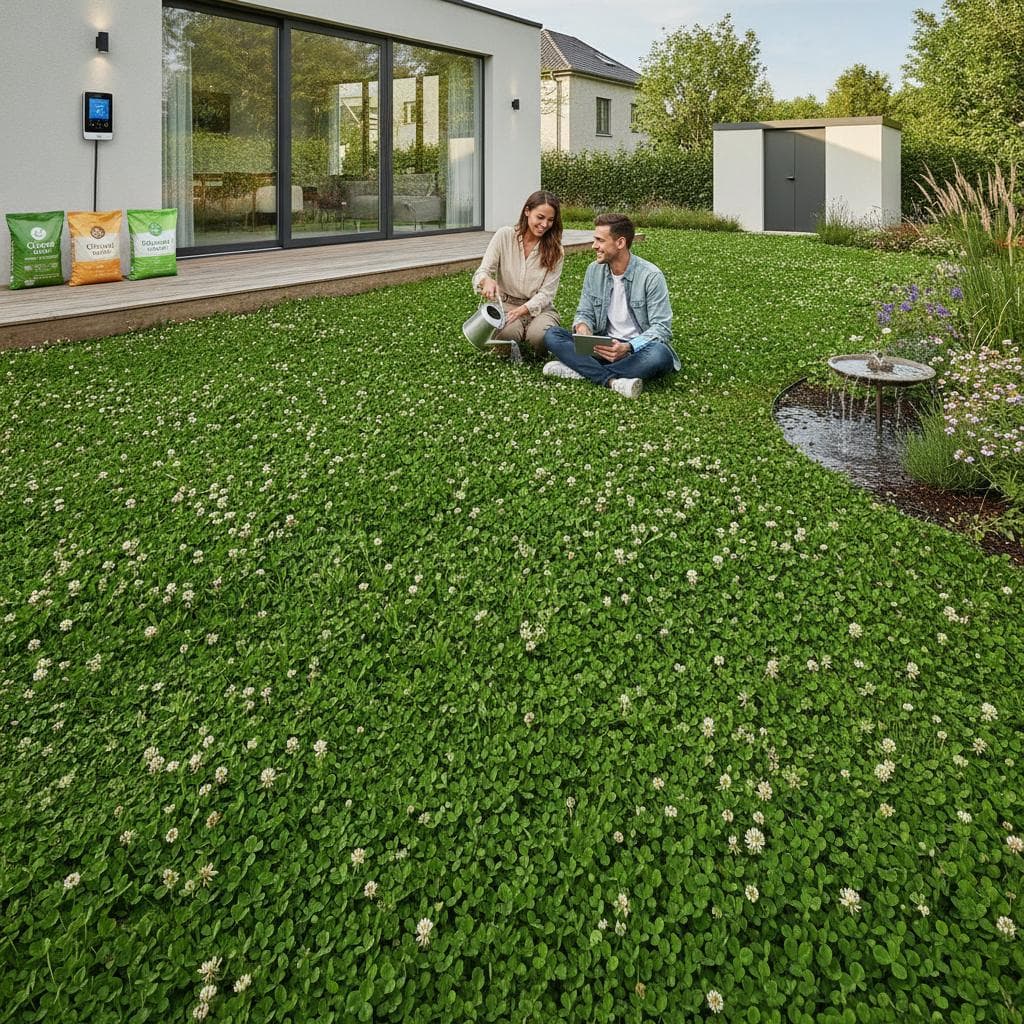
Why Clover Lawns Outsell Grass Seed 3 to 1
A quiet revolution has been happening in residential yards. Homeowners are trading their traditional grass lawns for clover. The results are changing how people think about what a healthy yard looks like. The appeal is easy to understand. Clover lawns stay green in dry weather, need fewer resources, and invite pollinators back into the landscape.
At a Glance
Location: Suburban and urban yards across varied climates
Size: From compact courtyards to wide open lawns
Climate Zone: Works especially well in temperate and transitional regions
Project Goal: Create low maintenance, eco friendly, and visually rich groundcover
1. Less Water, More Resilience
Clover thrives where grass struggles. Its deep roots pull moisture from lower soil layers. This keeps the yard green through dry spells. That means fewer evenings spent dragging hoses and less money spent on irrigation systems.
A landscape designer might say: "Clover acts like a built in insurance policy for your lawn. It stays cool, green, and soft when other groundcovers fade."
Functionally, this resilience helps stabilize soil and reduce runoff. From a design standpoint, the consistent green tone creates a calm visual base. It pairs well with stone paths, native perennials, and open seating areas. White or pink blooms add texture and movement. They soften the geometry of patios and walkways.
Visual callout
Clover patches stay green long after nearby turf grass browns.
2. Built in Fertility
Traditional grass lawns depend on fertilizer. Clover produces its own nitrogen. Its root nodules host bacteria that naturally enrich the soil. This feeds nearby plants as well. The self sustaining cycle means fewer chemical inputs and healthier soil over time.
A horticulturist might say: "Once you seed clover, the soil begins to heal itself. You feed the ground instead of fighting it."
Designers appreciate this hidden benefit because it allows more flexibility with companion planting. Clover mixes beautifully with fescue or fine rye to create a blended texture. It can also fill gaps between stepping stones. The result feels intentional and natural instead of manicured and high maintenance.
Visual callout
Clover and fescue create a soft, walkable mix that stays vibrant without fertilizer.
3. Better for Pollinators and People
A clover lawn hums with life. Bees, butterflies, and small beneficial insects find steady food sources in its blossoms. Homeowners find that these small ecosystems make outdoor spaces feel more alive. They connect daily living with seasonal change.
A landscape ecologist said: "Every flower in a clover patch supports dozens of pollinators. It is a living network, not just groundcover."
For families, this approach also means safer play areas. Fewer pesticides reduce exposure risks for children and pets. Clover soft leaf texture cushions bare feet and stays cooler under the sun than dense turf. The experience of walking across it feels relaxed and natural.
Visual callout
White clover blooms attract native bees, bringing motion and sound to the garden.
4. Minimal Mowing and Upkeep
Clover lawns rarely need mowing more than a few times each season. They grow low and even. This creates a tidy surface without constant trimming. That alone saves hours of maintenance.
A landscape contractor said: "Homeowners are realizing they do not need to mow every weekend for their yard to look cared for."
Reduced mowing also means less noise and fuel consumption. This aligns with sustainable living goals. From a design view, it opens space for other features like raised planters, gravel walkways, or a fire pit area. When the lawn demands less time, the rest of the landscape can evolve more creatively.
Visual callout
Low growing clover forms a consistent mat that softens hard edges and limits weeds.
5. Cost Savings That Add Up
Seed costs for clover remain lower than many specialty grass blends. Combined with reduced water, fertilizer, and mowing expenses, the long term savings make clover a practical choice. For large properties, the difference can be striking.
A homeowner focused landscape consultant said: "People start planting clover for the savings, but they keep it for the look and feel."
The economics match the design logic. Clover lawns are both affordable and attractive. This helps explain their rapid adoption. Every dollar saved on chemicals or labor can go into decorative elements like lighting, furniture, or native planting beds.
Visual callout
Compact lawns with clover groundcover free up budget for custom planters and lighting.
6. Aesthetic Versatility
Clover fine texture and subtle flowering suit a range of design styles. It looks clean beside modern architecture and softens rustic landscapes with equal ease. The small leaves create a continuous surface that reads as lush without feeling artificial.
Designers often mix varieties like microclover for a more uniform look or Dutch white clover for a meadow effect. Paired with gravel paths, corten steel edging, or low stone walls, the result feels curated but relaxed. The visual rhythm of small leaves and tiny blooms adds movement without overwhelm.
A landscape designer said: "Clover gives structure and softness at the same time. It is one of the few plants that works as a groundcover and a design statement."
Visual callout
Microclover lawns frame a minimalist patio with even tone and fine texture.
Making the Switch Practical
Switching to clover changes how a yard functions. Maintenance becomes lighter. Outdoor time feels easier. The surface stays cooler. The soil stays richer. The quiet buzz of pollinators signals a healthy environment. Homeowners find that what began as a practical change soon becomes a lifestyle shift toward balance and simplicity.
A well planned clover lawn does not replace design thinking. It supports it. Defined edges, clear pathways, and intentional planting zones keep the space structured while letting nature play a visible role.