
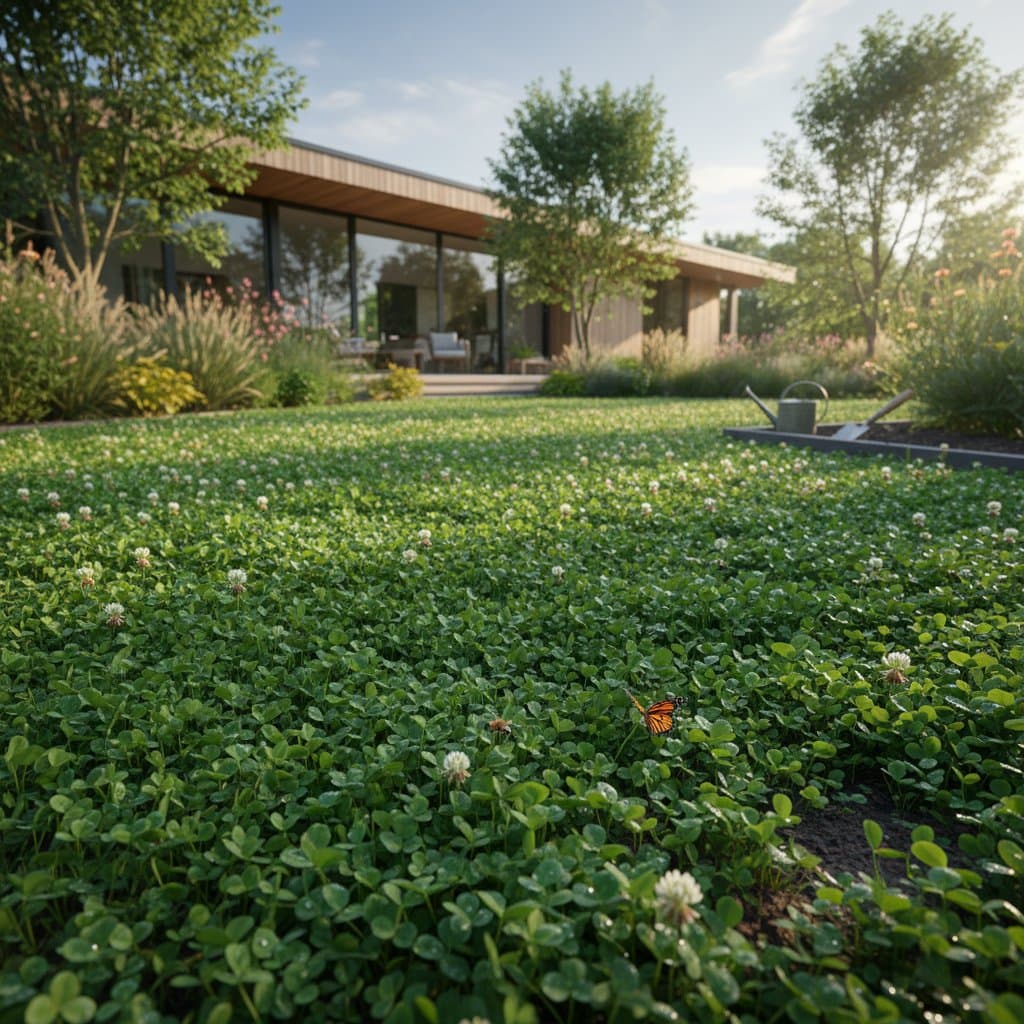
Why Clover Lawns Outperform Traditional Grass
Homeowners seek vibrant, low-effort landscapes that enhance property value and environmental health. Clover lawns emerge as a superior choice over conventional turf, providing enduring green coverage even in challenging conditions. These versatile ground covers deliver aesthetic charm, reduced upkeep, and ecological advantages that align with modern sustainability goals.
Clover's deep root systems and nitrogen-fixing abilities enable it to withstand drought and poor soil better than grass. This resilience stems from its legume family traits, which allow self-sustenance without heavy inputs. As urban areas face water restrictions and climate variability, clover lawns gain popularity for their ability to maintain color and vitality year-round.
At a Glance
- Suitable Locations: Ideal for temperate zones, urban yards, and rural properties with moderate sunlight.
- Scalability: Adapts to small patios or expansive fields, filling spaces from 100 to 10,000 square feet.
- Climate Adaptability: Excels in areas with 20-40 inches of annual rainfall; tolerates light irrigation in drier regions.
- Primary Objectives: Achieve water conservation, biodiversity support, and effortless maintenance in landscape design.
Establish a Resilient Foundation
Selecting the right clover variety sets the stage for long-term success. White clover serves as a classic option for its fine texture and pollinator appeal, while microclover offers a denser, grass-like appearance with slower growth. Red clover suits larger areas but requires more space to spread.
Begin by testing soil pH, aiming for a neutral range of 6.0 to 7.0. Amend acidic soils with lime if necessary, and ensure good drainage to prevent waterlogging. For new installations, till the area lightly and remove weeds before seeding in early spring or fall, when temperatures range from 50 to 85 degrees Fahrenheit.
Functional Benefit: Proper site preparation minimizes future interventions and promotes even establishment.
Design Insight: Incorporate clover into existing lawns by overseeding at a rate of 2-4 pounds per 1,000 square feet, blending it gradually for a natural transition.
Practical Example: In a suburban backyard with compacted soil, aerate first and sow Dutch white clover to create a soft play area that withstands foot traffic.
Reduce Water and Fertilizer Needs
Clover's nitrogen-fixing bacteria convert atmospheric nitrogen into usable soil nutrients, eliminating the need for synthetic fertilizers. This process enriches the ground naturally, benefiting companion plants like nearby shrubs or flowers. Water requirements drop significantly, often to one-fourth that of traditional grass.
Apply irrigation only during establishment, providing about one inch per week initially. Once rooted, clover accesses deeper moisture reserves, staying green through summer heatwaves. In regions with rainfall below 30 inches annually, supplemental watering every 10-14 days suffices.
A landscape designer observes, "Clover lawns reduce water consumption by up to 50 percent while preserving vibrant hues." This efficiency proves invaluable in arid climates or during conservation mandates.
Functional Benefit: Savings on utility bills and labor time, particularly in water-scarce areas.
Design Insight: Use drip systems for targeted hydration, promoting root depth and drought tolerance.
Practical Example: A hillside property prone to erosion benefits from clover's moisture-retaining roots, which prevent runoff and maintain coverage without frequent watering.
Enhance Mowing and Maintenance Routines
Unlike grass that demands weekly cuts, clover grows slowly and stays compact at 2-4 inches tall. Mow every two to three weeks during peak season, setting blades high to preserve flower heads and encourage pollinators. This approach yields clippings that act as natural mulch, returning nutrients to the soil.
Avoid over-mowing, as it stresses the plants and invites weeds. In cooler months, clover enters dormancy gracefully, requiring no intervention. For weed control, hand-pull invasives rather than applying broad treatments, allowing clover's density to outcompete them over time.
Functional Benefit: Frees up weekends for leisure, cutting maintenance hours by 75 percent compared to turf.
Design Insight: Integrate mowing paths with mulched borders to define clover zones and simplify access.
Practical Example: A family yard with children mows clover monthly, creating a resilient surface that recovers quickly from play without bare patches.
Boost Pollinator Habitats and Biodiversity
Clover's petite white or pink blooms serve as nectar sources for bees, butterflies, and hoverflies from spring through fall. These flowers emerge after initial growth, providing continuous forage in landscapes often barren to wildlife. The result fosters a thriving ecosystem that extends benefits to vegetable gardens and fruit trees.
A horticulture expert notes, "A modest clover area sustains pollinator populations equivalent to several flower beds." This support enhances overall yard productivity and resilience against pests.
Functional Benefit: Increases natural pest control and pollination rates, reducing reliance on interventions.
Design Insight: Designate bloom zones by delaying mowing in select patches, creating visual interest with varied heights.
Practical Example: Bordering a perennial bed, a clover strip draws bumblebees to nearby roses, improving fruit set without additional plantings.
Eliminate Chemical Dependencies
Clover's robust health resists common lawn ailments like grubs and fungal issues that afflict grass. Its dense growth smothers weeds naturally, minimizing herbicide use. This chemical-free profile safeguards groundwater, pets, and family members from potential exposures.
Monitor for occasional pests through visual inspections, addressing them with organic options like neem oil if needed. The absence of fertilizers prevents nutrient overload, maintaining balanced soil chemistry.
A designer comments, "Clover restores yards to their natural state, free from chemical burdens." Such practices align with organic gardening principles and local regulations.
Functional Benefit: Lowers costs for treatments and promotes safer play areas.
Design Insight: Pair clover with companion plants like yarrow to further deter invasives through diversity.
Practical Example: An urban lot previously treated with pesticides now thrives on clover alone, with soil tests showing improved microbial activity.
Improve Soil Quality Over Time
Through nitrogen fixation, clover adds 50-150 pounds of nitrogen per acre annually, revitalizing depleted soils. Its roots break up compaction, enhancing aeration and water infiltration. Over seasons, this leads to richer, more fertile ground that supports diverse plant life.
Incorporate clover into rotations for vegetable plots to naturally amend the earth. Test soil yearly to track improvements, adjusting as clover matures.
Functional Benefit: Builds long-term soil health, reducing future amendment needs.
Design Insight: Use clover as a living mulch under trees, preventing erosion while feeding root zones.
Practical Example: A former lawn with clay soil transforms into loamy earth after two years of clover, enabling successful wildflower integration.
Embrace Aesthetic Versatility
Clover imparts a velvety texture and subtle sheen that softens formal designs or complements wild meadows. Its fine leaves create a uniform carpet, blending seamlessly with paths or borders. Seasonal flowers add pops of color, evolving the landscape through the year.
Pair with hardscapes like flagstone for contrast, or native grasses for a prairie effect. The slight sheen variation from dew or sun enhances depth without uniformity's stiffness.
A designer states, "Clover's texture integrates effortlessly, elevating informal styles to polished elegance."
Functional Benefit: Provides year-round visual appeal with minimal effort.
Design Insight: Edge clover beds with metal or wood for crisp lines that highlight its organic form.
Practical Example: In a cottage garden, clover underlays lavender borders, creating a fragrant, low-height foreground that draws the eye upward.
Maximize Cost and Time Savings
Initial seeding costs $0.10 to $0.20 per square foot, far below sod installation. Ongoing expenses plummet with no fertilizers, rare watering, and infrequent mowing. Over five years, savings accumulate to hundreds of dollars per average yard.
Factor in ecological returns, such as higher property appeal in green-conscious markets. Clover's durability withstands moderate traffic, delaying replacement needs.
Functional Benefit: Delivers high return on investment through efficiency and longevity.
Design Insight: Scale projects by starting small, expanding as benefits become evident.
Practical Example: A homeowner converts a 2,000-square-foot lawn, recouping costs in two seasons via reduced bills and increased curb appeal.
Integrating Clover into Daily Life
Adopting a clover lawn shifts outdoor routines toward enjoyment over toil. Walk barefoot on its cushion, host gatherings without worry, or simply observe wildlife activity. The space evolves into a nurturing haven that reflects thoughtful stewardship.
Regular observations guide minor adjustments, ensuring sustained performance. This holistic approach yields a landscape that nourishes both people and planet, proving clover's place in forward-thinking designs.