
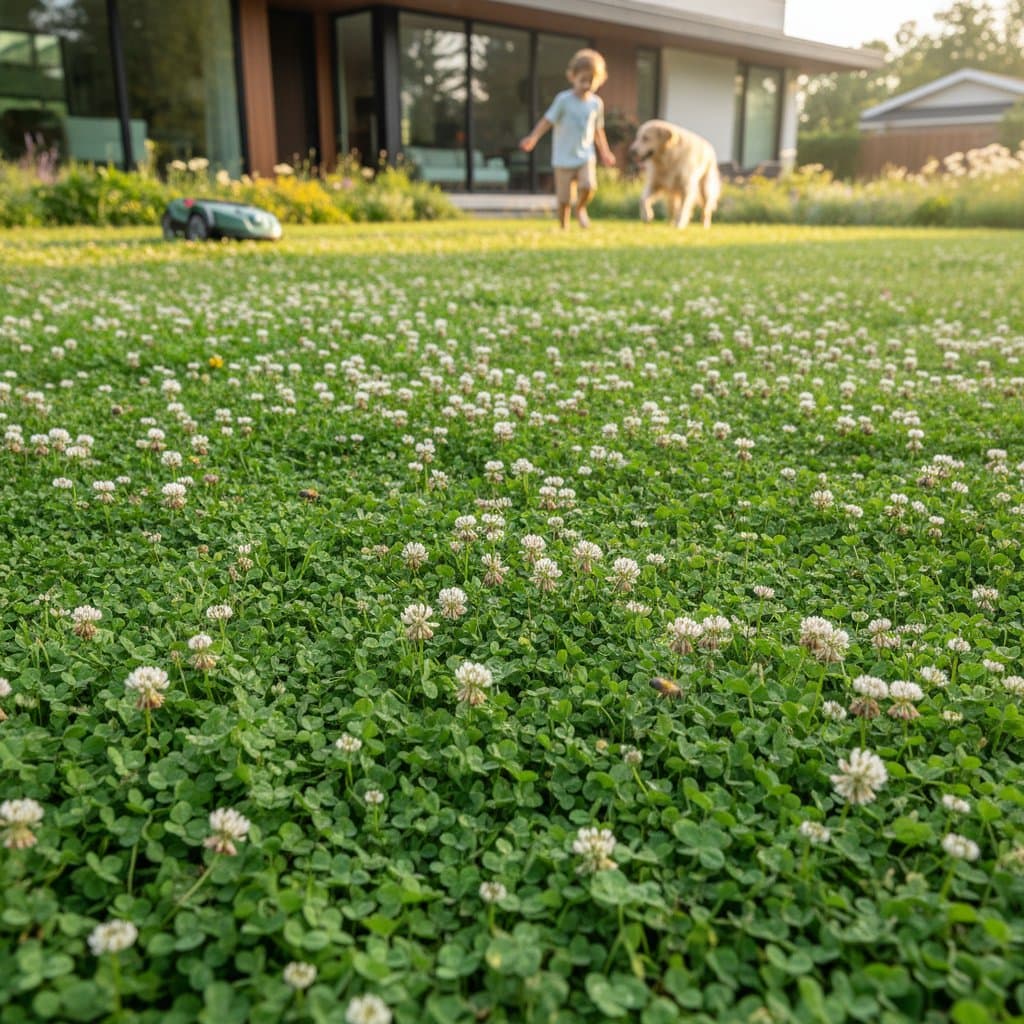
Clover Lawns as a Low Maintenance Alternative
A lush green yard that stays soft underfoot and needs little care is no longer a dream. Homeowners are turning to clover lawns as a practical and beautiful alternative to traditional turf. The appeal lies in how easy they are to maintain, how fresh they look through dry spells, and how friendly they are to pollinators.
Clover lawns bring a relaxed, natural character to outdoor spaces. They reduce mowing, thrive without synthetic fertilizers, and stay green even when grass fades. For anyone seeking a yard that looks good and works hard, clover is a smart and timely choice.
At a Glance
- Location: Suitable for most temperate regions
- Size: Works in small courtyards or large suburban lots
- Climate Zone: Performs best in moderate to warm climates
- Project Goal: Create a low maintenance, eco friendly lawn alternative
Preparing the Soil
Clover may be forgiving, but it still prefers a well prepared base. Loosen compacted soil and remove deep rooted weeds before seeding. A pH near neutral helps clover thrive, so a simple soil test can guide whether lime or compost is needed.
Good drainage is key. Clover dislikes standing water, especially in shaded or low areas. Mixing a little sand or compost into the top layer improves structure and prevents soggy spots.
A horticultural expert might say, "Healthy soil means the clover roots can fix nitrogen more efficiently, which keeps the entire yard greener."
Think of soil prep as a one time investment that pays off year after year with less effort later.
Mowing for Optimal Growth
One of the greatest perks of a clover lawn is fewer mowing sessions. Many homeowners cut it just a few times during the growing season to keep it tidy. Set the mower blade high, around three inches, to maintain the clover natural cushion.
Leaving it slightly taller also helps shade out weeds and protect moisture in the soil. For a mixed lawn, mow more often early on to balance the growth rates between grass and clover.
A grounds specialist might say, "Mowing less saves fuel, reduces noise, and lets the yard natural texture shine."
Maintaining Density and Health
Clover renews itself naturally, yet a bit of care keeps it lush. Top dress thin areas with seed once a year to maintain density. Avoid synthetic herbicides, which can harm clover. Spot treat weeds by hand or use vinegar based solutions.
If patches turn brown after a harsh season, rake lightly and reseed. Within weeks, the green returns. The low growth habit hides minor blemishes, so the lawn keeps its uniform look without constant attention.
A maintenance expert might say, "Clover beauty is in its resilience. It bounces back faster than most traditional lawns."
Enjoying the Advantages of a Clover Lawn
Once established, a clover lawn changes how a yard feels and functions. It softens the look of hardscapes, reduces the need for irrigation, and stays green through dry periods. Families enjoy the cool surface, and pets benefit from its softness and lack of chemical treatments.
Over time, the clover enriches soil and supports the rest of the garden around it. It becomes a quiet, living foundation that encourages balance and ease. Whether used alone or mixed with grass, it offers a grounded approach to sustainable landscaping.
Choosing clover over conventional turf reflects a shift toward yards that serve both people and the planet with less effort and more reward.