
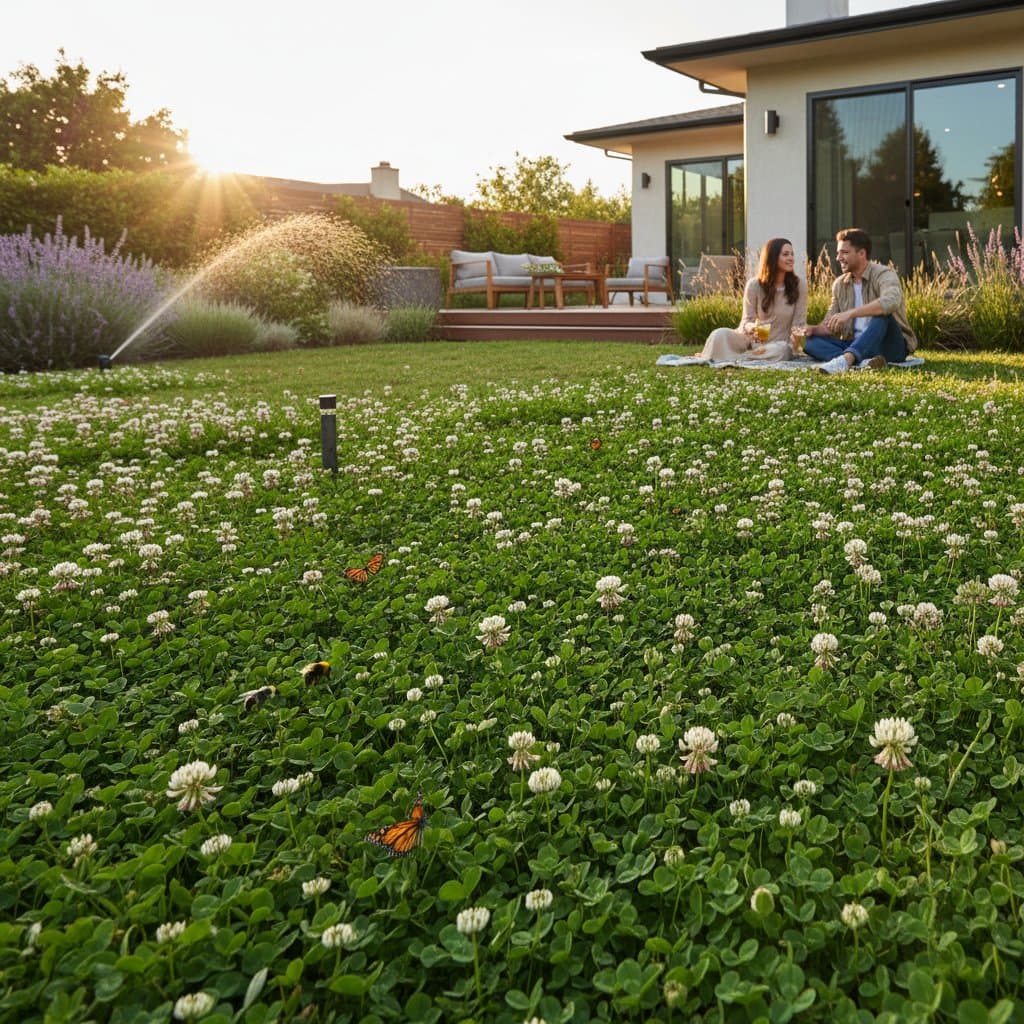
Clover Outperforms Grass: Reasons Homeowners Switch
A healthy green lawn has symbolized pride for homeowners for generations, yet sustaining a traditional grass carpet often proves costly, water-intensive, and reliant on chemicals. In California and other regions, increasing numbers of homeowners embrace clover as a superior, sustainable option. Once viewed as a mere weed, clover now garners recognition for its aesthetic appeal, toughness, and environmental benefits. This transition prioritizes practicality, affordability, and ecological balance.
Why Clover Deserves a Second Look
Clover functions as a robust ground cover that flourishes in conditions where turf grass falters. It retains its green hue during dry periods, demands minimal upkeep, and enhances soil quality organically. Families seeking a verdant yard without frequent irrigation or fertilization find clover particularly suitable. The plant provides a plush feel underfoot, a lively green shade, and occasional white or pink flowers that draw pollinators.
Beyond visual charm, clover lawns prove resilient, accommodating for pets, and largely self-reliant. They deter pests effectively, rebound from heavy use, and need far less oversight than grass. Proper management ensures the lawn remains visually pleasing and operational across seasons.
1. Water Efficiency That Makes Sense
Conventional grass lawns require substantial irrigation, particularly in arid environments. Clover, however, establishes itself with limited water and sustains vibrancy thereafter. Its extensive roots reach deeper moisture reserves in the soil, minimizing the reliance on additional watering. In areas prone to drought, this trait yields significant conservation.
Implement a light watering routine during establishment, then taper to occasional deep soaks in prolonged dry weather. Many homeowners report cutting water usage by up to 50 percent while preserving a lush look. Such practices support healthier landscapes without overburdening municipal supplies.
2. Fewer Chemicals and Healthier Soil
Clover acts as a natural nitrogen fixer through its partnership with soil bacteria, capturing atmospheric nitrogen and converting it into usable soil nutrients. This mechanism supplies continuous fertility to the clover and adjacent vegetation, bypassing the need for commercial fertilizers.
Reduced fertilizer application prevents chemical runoff into aquifers and stormwater systems. Homeowners benefit from simplified routines as the lawn enriches itself and bolsters nearby soil. Gradually, the ground develops greater fertility, fostering robust growth for clover and integrated plantings alike.
3. Low Maintenance and High Durability
Those familiar with the labor of mowing, edging, and weeding grass appreciate the relief clover provides. The plant reaches a manageable height, often requiring trims only every few weeks or less. Occasional clipping yields a tidy, even surface without the weekly demands of turf.
Clover withstands foot traffic admirably, compressing under play or events but recovering within days. Its thick growth suppresses weeds naturally, eliminating most herbicide or hand-pulling needs. Consequently, the lawn maintains an groomed appearance through effortless care.
4. Natural Beauty and Wildlife Support
Clover imparts a gentle, naturalistic vibe that integrates seamlessly into California settings. Its blossoms in white or pink introduce subtle hues and invite bees, butterflies, and helpful insects. Gardeners prioritizing ecological diversity value this pollinator haven.
Incorporate clover to connect flower beds, walkways, and lounging zones within a larger design. It pairs well with native species, offering a serene backdrop for bolder elements. The uniform texture and subtle movement in wind create a tranquil, authentic ambiance distinct from uniform turf.
5. Cost Savings Over Time
Establishing a clover lawn involves upfront seeding costs comparable to grass, but ongoing expenses drop markedly. Lower water bills, infrequent fertilizing, and reduced mowing accumulate into real savings. The plant's autonomy further cuts needs for repairs or resowing.
Budget-conscious owners of expansive yards gain the most from these efficiencies. The setup recoups its value swiftly, while promoting eco-friendly habits. Decreased reliance on tools, gasoline, and treatments streamlines maintenance and allows more leisure time.
6. Compatibility with California Conditions
Clover adapts to full sun or partial shade and handles the diverse soils across California. It suits coastal mildness and inland extremes, enduring heat waves and usage limits that test grass varieties.
Though not impervious, clover outperforms many grasses in warmth, moderate wear, and sporadic oversight. Blending it with drought-tolerant grasses yields a hybrid that merges clover's cushioning and vibrancy with turf's form. Test soil pH around neutral for optimal performance, adjusting with lime if acidic.
Living with a Clover Lawn
Switching to clover proves simple. Scatter seeds over thinned existing grass or till and sow into bare earth for complete overhaul. Select varieties like white or micro clover for quick coverage; expect a solid mat in two to three months.
Post-planting, water consistently for the first few weeks, then ease off. Skip broad-spectrum herbicides to protect establishment, and allow recovery from light damage. The plant self-repairs and propagates readily, ensuring longevity.
Benefits That Endure
Clover lawns embody a strategic move toward enduring sustainability and worth. They unite visual allure, usability, and environmental stewardship in ways grass falls short.
Start with a trial area or pursue full conversion; rewards emerge promptly and persist. Your yard conserves resources, enriches earth, nurtures pollinators, and remains a welcoming retreat year-round.