
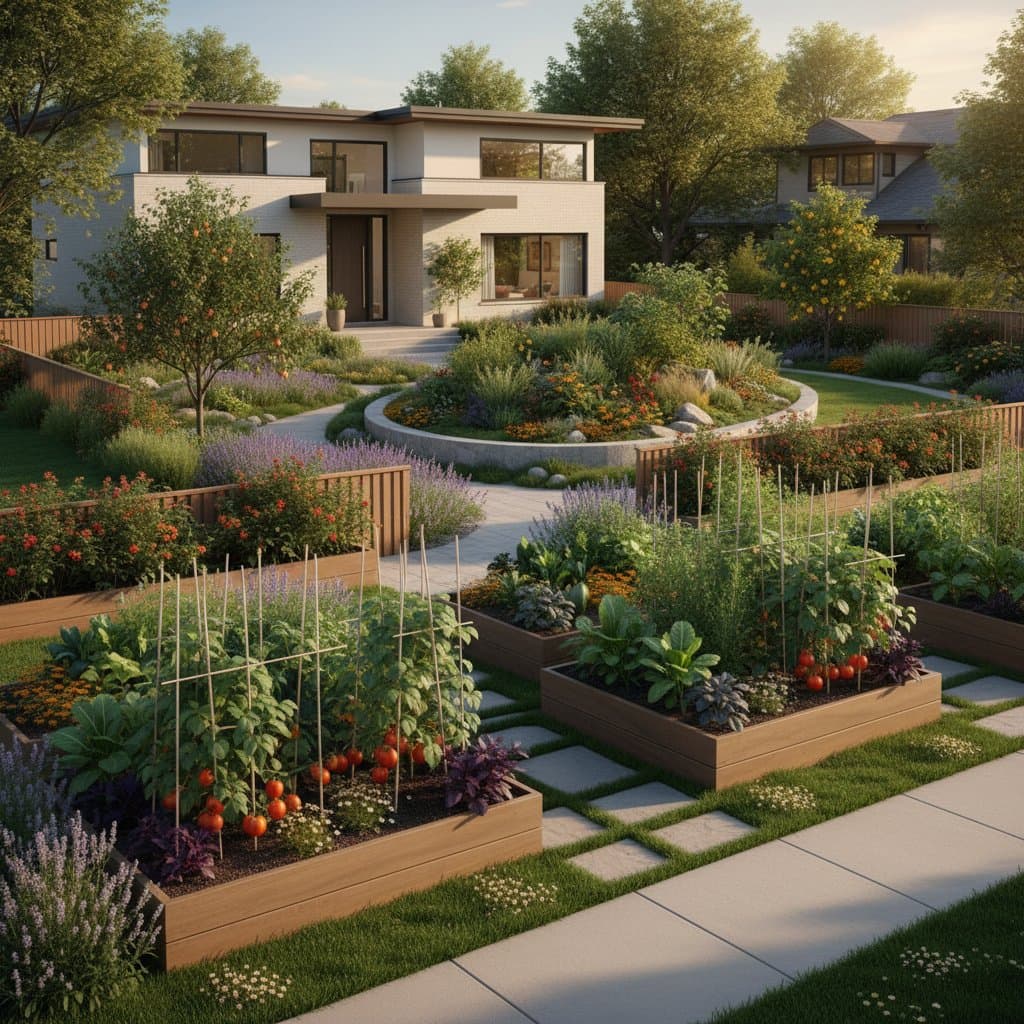
Edible Front Lawns: The Emerging Status Symbol in Suburban Design
Homeowners increasingly challenge the convention of uniform turf dominating front yards. They opt to cultivate vegetables, herbs, and fruits directly in visible spaces, shifting from routine upkeep to bountiful harvests. In regions like California and further afield, these edible landscapes signify refined taste, environmental commitment, and innovative spirit. Such yards integrate visual elegance with utility, converting decorative areas into vibrant, eco-friendly hubs that spark dialogue among neighbors.
Transitioning from Turf to Productive Spaces
Traditional lawns symbolized discipline and affluence through their pristine appearance. Homeowners maintained them as emblems of diligence and alignment with neighborhood norms. Contemporary residents seek vitality and purpose in their outdoor areas. An edible front yard demonstrates deliberate choices in lifestyle, nutrition, and communal involvement.
This evolution extends beyond ideals. Grass demands persistent watering, chemical treatments, and labor-intensive cutting. In arid zones, these demands lead to elevated utility costs and environmental strain. Edible alternatives provide diverse textures and colors alongside practical outputs. Consider borders of vibrant Swiss chard, clusters of compact apple trees, and waves of lavender, all supplanting monotonous sod for a seasonally evolving tableau.
Harmonizing Aesthetics and Utility
Many assume edible gardens appear disordered or purely functional. Well-planned versions, however, compete with formal gardens in sophistication. Success depends on deliberate layout that merges yield with visual harmony.
Key design strategies include:
-
Defined Spatial Elements
Employ elevated planters or patterned beds to organize the area. Incorporate retaining walls of natural stone, mulched walkways, or edged borders to convey purpose and polish. -
Varied Plant Profiles for Dimension
Select species with contrasting elevations and foliage patterns. Position tall perennials such as fennel alongside low-growing lettuces and cascading nasturtiums. This layering creates depth and movement. -
Crop Succession for Continuity
Cycle plantings to sustain vibrancy and vitality. Follow heat-tolerant squashes with winter-hardy mustards or kale varieties. Such rotation maintains an engaging, ever-changing vista. -
Accent Features for Focus
Add elements like a weathered arbor supporting peas, a large urn brimming with dill, or a simple water basin. These anchors enhance composition and invite closer inspection.
This blend of purpose and presentation transforms edible spaces into desirable exemplars.
Sustainability as a Marker of Prestige
Neighborhood esteem formerly rested on flawless sod and clipped borders. Current benchmarks emphasize ecological integrity and genuineness. Residents respect those who cultivate fresh produce, manage organic waste, and bolster wildlife habitats. A flourishing edible yard conveys attentiveness, ingenuity, and independence.
These landscapes also promote interaction and learning. Neighbors pause to inquire about varieties or exchange propagation methods. Youngsters gain insights into food origins and ecosystem care. The front yard evolves from secluded showcase to shared forum.
Practical Gains in Economy and Ecology
Edible front lawns yield concrete advantages past appearance and acclaim. Substituting grass with edibles slashes water consumption significantly. Many crops flourish under targeted watering systems, and regionally adapted trees require minimal intervention. These adaptations cut ongoing expenses and lessen ecological footprints.
Economically, yields prove rewarding. A compact plot might produce produce valued at several hundred dollars annually. Prioritize space-efficient herbs including thyme, parsley, and mint, which demand scant room yet offer repeated harvests. Established plants like rhubarb, blueberries, or figs deliver enduring returns with infrequent renewal.
Ecologically, these gardens enrich ground quality and species diversity. They draw pollinators, minimize erosion, and forgo synthetic inputs. Incorporating indigenous or water-wise selections bolsters regional stability against climate variability.
Tailoring to Local Conditions
California's temperate conditions suit edible arrangements, yet adaptable tactics work elsewhere. Align selections with site specifics like sunlight and moisture. Seaside locales excel with brassicas and Mediterranean herbs, whereas warmer interiors accommodate eggplants, chilies, and peaches.
To achieve refinement, choose dual-purpose plants. Globe artichokes offer bold, silvery foliage; Swiss chard varieties display jewel-toned stems. Incorporate blooms such as violas or squash flowers for ornamental and gastronomic appeal.
In regulated communities, seamless incorporation matters. Blend edibles amid evergreens, ensure crisp edges, and prevent soil exposure. Thoughtful execution meets guidelines while highlighting originality.
Seeking Expertise and Implementation
DIY enthusiasts thrive on trial, but experts streamline execution. Designers assess compatibility of sunlight, nutrients, and style. They draft schemes for crop turnover and ease of care.
For independent efforts, proceed methodically:
-
Evaluate the Site
Map light patterns, water flow, and soil composition. -
Outline the Plan
Divide into sections for annuals, perennials, and accents. -
Amend the Ground
Blend in aged manure or leaf mold to enhance structure and nutrients. -
Set Up Water Delivery
Deploy low-flow emitters, clustering thirstier plants together. -
Install and Cover
Arrange for circulation, then apply organic layers to retain hydration. -
Establish Care Practices
Plan for routine gathering, trimming, and succession sowing.
Progressive actions yield cohesive, enduring results.
Broader Implications of Edible Integration
Edible front lawns align with regenerative practices amid resource awareness. They foster bonds with the earth and seasonal rhythms. Aspirations now center on sustaining vitality rather than mere uniformity.
This progression parallels shifts in cuisine, style, and conservation. Cultivators often embrace farm-to-table principles and biodiversity. The yard serves as a flavorful anchor and cyclical educator.
Realizing Lasting Fulfillment
Harvesting morning salads or evening garnishes delivers profound joy. The space develops into a self-sustaining haven nourishing physical and emotional needs. Diligent design and tending craft an enduring model of balanced habitation.
For coastal dwellers, this approach embodies refined abundance. It prioritizes ingenuity and guardianship over ostentation. In an era favoring surface over depth, such gardens affirm the unity of form, function, and harmony at the threshold.