
Why Gravel Outperforms Mulch in 2025 Yard Trends
A thoughtfully planned landscape enhances visual appeal, endures seasonal shifts, and demands limited maintenance. In California and similar regions, homeowners and landscape professionals increasingly select gravel over mulch to achieve these outcomes. Gravel installations merge aesthetic charm with functional benefits, ensuring outdoor areas remain neat, structured, and adapted to water-scarce environments.
Consider the installation process: professionals recommend a depth of two to four inches for optimal coverage, paired with edging materials like metal or plastic to contain the stones. This setup not only prevents shifting but also facilitates easy access for weeding or adjustments. As a result, gravel landscapes support long-term enjoyment without frequent interventions.
1. Durability That Endures for Years
Traditional mulch degrades rapidly, fading in color and crumbling in texture within one growing season. Gravel maintains its integrity and hue over multiple years, eliminating the need for frequent replenishment. Options such as crushed granite, pea gravel, or river rock resist displacement from intense rainfall or regular watering.
For instance, a pathway constructed with decomposed granite withstands consistent pedestrian use while preserving its compact form. Homeowners benefit from this steadfast performance, which positions gravel as a cost-effective choice over time. To maximize longevity, select angular stones that interlock naturally, reducing the risk of erosion.
2. Water Efficiency and Climate Adaptability
Regions with arid conditions, like much of California, favor designs that prioritize conservation. Gravel excels in xeriscaping and Mediterranean-inspired layouts by minimizing evaporation and permitting natural infiltration of precipitation. In comparison, mulch may retain moisture inconsistently, potentially fostering fungal growth or damaging roots.
Gravel also stabilizes soil temperatures in areas with fluctuating weather. It shields plant roots from excessive summer heat and provides insulation against chilly evenings. For best results, integrate gravel with permeable pavers or bioswales to enhance drainage and support native plantings that thrive in local conditions.
3. Clean Lines and Modern Aesthetics
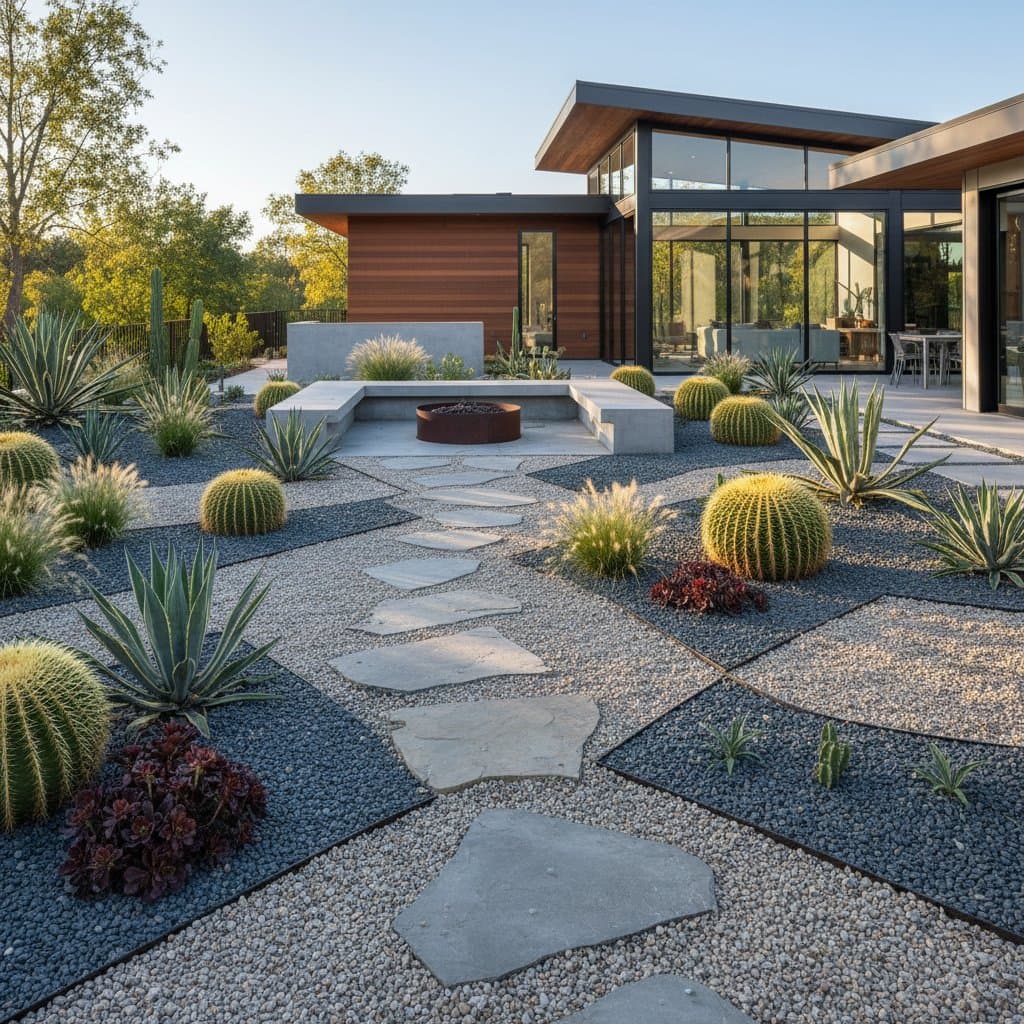
Gravel imparts a sleek, modern vibe that complements streamlined buildings and sparse vegetation. Light-colored varieties illuminate dim corners, whereas darker tones offer bold definition beside resilient species such as agave, lavender, or feather grasses.
Landscape experts frequently incorporate gravel to outline walkways, seating areas, or simulated streams. Its precise borders and gentle granularity foster a sense of purpose and unity in the design. Over time, mulch disperses and dulls, yielding a more haphazard look, while gravel sustains sharp, inviting contours.
To achieve this effect, layer gravel over a base of sand or soil for even distribution, and refresh the surface annually with a light redistribution of stones. This practice keeps the aesthetic crisp without substantial labor.
4. Lower Maintenance, Greater Rewards
Organic mulch often draws insects and breaks down into material that promotes unwanted vegetation. Gravel creates a firm barrier that inhibits weeds, especially when underlaid with geotextile fabric. Simple tools like a rake or hose suffice to restore its appearance after use or weather exposure.
Individuals who value leisure over labor find gravel ideal for their routines. It remains secure amid gusts, preserving the tidiness of terraces and borders. For ongoing care, inspect for debris buildup quarterly and remove any accumulations to prevent compaction issues.
5. Sustainability and Reusability
Eco-aware property owners seek materials that align with environmental principles. Gravel qualifies as a renewable resource, frequently harvested from nearby quarries, and lends itself to recycling. During garden redesigns, existing stones relocate effortlessly to fresh zones or utility features like French drains.
Decomposed mulch, by contrast, contributes to landfill volume once it deteriorates. Gravel promotes a regenerative landscaping cycle that conserves resources and finances. Opt for certified sustainable sources to further amplify these advantages, ensuring your project supports broader ecological goals.
Integrating Gravel into Daily Garden Care
Establishing a gravel-focused garden encourages a relaxed maintenance schedule. After initial setup, it demands occasional attention, yields defined spaces, and serves as a flexible platform for diverse styles, from verdant oases to austere compositions.
Combine gravel with water-thrifty flora, elevated beds, or weathered metal elements to craft harmonious scenes that transcend fleeting fashions. Its resilience, precise visuals, and flexibility elevate it beyond temporary trends. In designs emphasizing endurance, efficiency, and resource stewardship, gravel forms the enduring groundwork for gardens that flourish across seasons.