
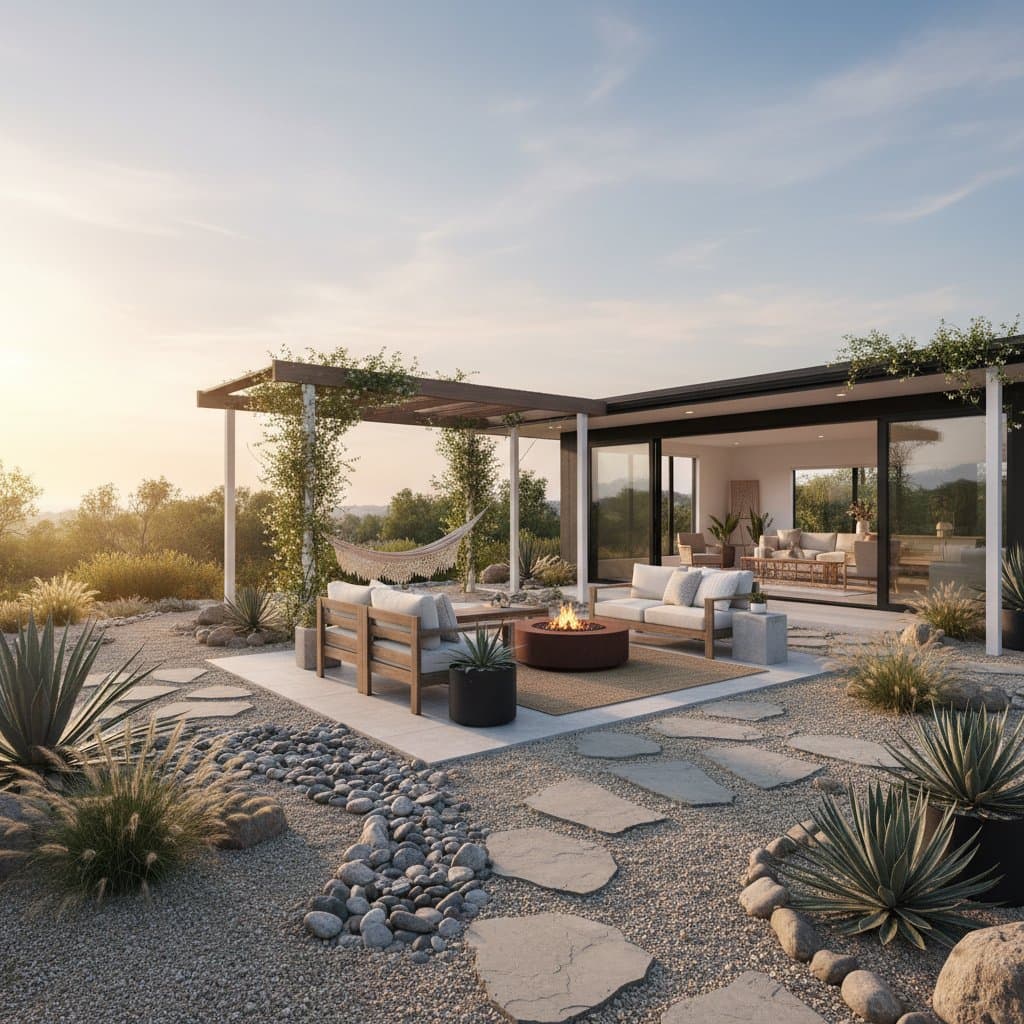
Why Gravel Patios Outperform Concrete for 2025 Budget Advantages
Homeowners seek outdoor areas that integrate seamlessly into daily life without imposing excessive expenses. Gravel patios emerge as an intelligent, elegant, and economical solution for revitalizing backyards or establishing entertainment zones. These surfaces deliver adaptability, ease, and endurance that concrete frequently fails to achieve. In environmentally aware and style-focused areas such as California, the preference for gravel reflects both utility and visual appeal.
This overview examines the reasons gravel patios exceed concrete in terms of expense, upkeep, and sustained benefits, all while providing a refined, welcoming appearance that elevates outdoor experiences.
Cost Savings: A Smarter Financial Investment
Initial outlays represent a primary concern for any patio project. Concrete installations demand substantial investments in materials, labor, and specialized tools, often exceeding several thousand dollars for even modest sizes. Gravel patios, by comparison, cost approximately half as much, with materials available at local suppliers for under five dollars per square foot.
Beyond upfront savings, gravel avoids the hidden expenses associated with concrete repairs. Homeowners sidestep the need for professional resurfacing or crack filling, which can add hundreds annually. Over a decade, these efficiencies translate to thousands in preserved capital, allowing funds for complementary features like seating or lighting.
Material Options Tailored to Your Aesthetic
Gravel's appeal stems from its variety. Concrete presents a single, flat finish unless additional treatments increase expenses. Gravel, drawn from natural sources, offers diverse textures and hues to suit any ambiance.
Popular Gravel Varieties for Patios
- Pea Gravel: Rounded, polished stones form a timeless surface ideal for relaxed seating or walkways, providing a soft feel underfoot.
- Crushed Stone: Sharp-edged fragments lock together firmly, supporting heavy loads from tables or gatherings.
- Decomposed Granite: Popular in California, this fine material compacts into a smooth, sturdy base that retains permeability.
- Recycled Aggregates: Mixtures from reclaimed concrete or rock minimize waste and expenses while promoting sustainability.
Integrate these with borders of steel, timber, or rock to sharpen edges and blend with surrounding greenery. For instance, decomposed granite encircled by drought-resistant plants yields a polished, spa-inspired retreat.
Effortless Installation and DIY Accessibility
Concrete demands exact schedules, machinery, and skilled workers to pour and cure properly. Gravel encourages hands-on involvement and innovation, enabling completion by homeowners or with limited professional input.
Essential Installation Steps
- Design and Mark: Use stakes and cord to sketch the patio layout, accounting for usage and access.
- Dig the Foundation: Clear four to six inches of earth to accommodate layers and prevent shifting.
- Lay the Subbase: Distribute and tamp down crushed rock or sand for a solid underlayer.
- Set Borders: Position durable edging materials to confine the gravel and maintain tidiness.
- Spread and Smooth Gravel: Deposit the selected gravel in two-inch layers, rake evenly, and compact for stability.
Thorough groundwork allows weekend completion, slashing labor fees by up to seventy percent. The outcome appears professional and deliberate, free from industrial equipment.
Minimal Upkeep for Lasting Appeal
Routine care defines a patio's practicality. Concrete necessitates periodic sealing to combat stains and weathering, a process that disrupts use and incurs costs. Gravel requires simple actions like occasional raking to redistribute stones and remove debris.
In arid climates, gravel resists weed growth when topped with landscape fabric during installation. Refresh the surface every two to three years by adding a thin layer of fresh material, a task achievable in hours. This low-effort approach preserves appearance and functionality without specialized intervention.
Environmental Integration and Visual Balance
Effective patios harmonize with their surroundings rather than dominate them. Gravel supports this through water permeability, material renewability, and organic texture. It eases boundaries between turf, plantings, and paved zones.
Sustainable Water Management
Permeable designs mitigate stormwater issues in water-scarce regions. Gravel allows infiltration, reducing erosion and supporting aquifer recharge. Combine with indigenous flora and efficient watering to foster biodiversity. Concrete, conversely, promotes pooling and urban heat, challenging delicate habitats.
Sensory and Landscape Enhancement
The gentle rustle of gravel introduces dynamic elements absent in concrete. This auditory and textural nuance deepens immersion in nature. Such qualities transform the space into an extension of the garden, fostering relaxation and connection.
Resilience Against Weather and Wear
Temperature shifts cause concrete to warp and fracture, demanding ongoing fixes. Gravel's flexible nature accommodates movement without compromise.
Performance in Varied Conditions
Coastal humidity or valley heat tests materials rigorously. Gravel sheds water swiftly and holds form in dryness. It withstands rare freezes by shifting slightly, avoiding the rigid failures of concrete.
Simple Restoration Techniques
Address low spots with a rake and supplemental gravel in minutes. Experiment with zonal variations in color or size for refreshed aesthetics. This versatility prolongs usability, ensuring the patio adapts to evolving needs.
Bringing Your Vision to Life
Embark on your patio transformation by assessing intended activities, such as meals, repose, or cultivation. Select gravel and accents that align with this purpose. Consult regional experts for site evaluation and foundational advice, or proceed independently with methodical preparation.
The finished patio transcends mere flooring. It evolves as an integral garden element, offering cool respite on sunny days and effortless care. Through quality selections and intentional layout, your outdoor haven remains vibrant, practical, and economical for years ahead.