
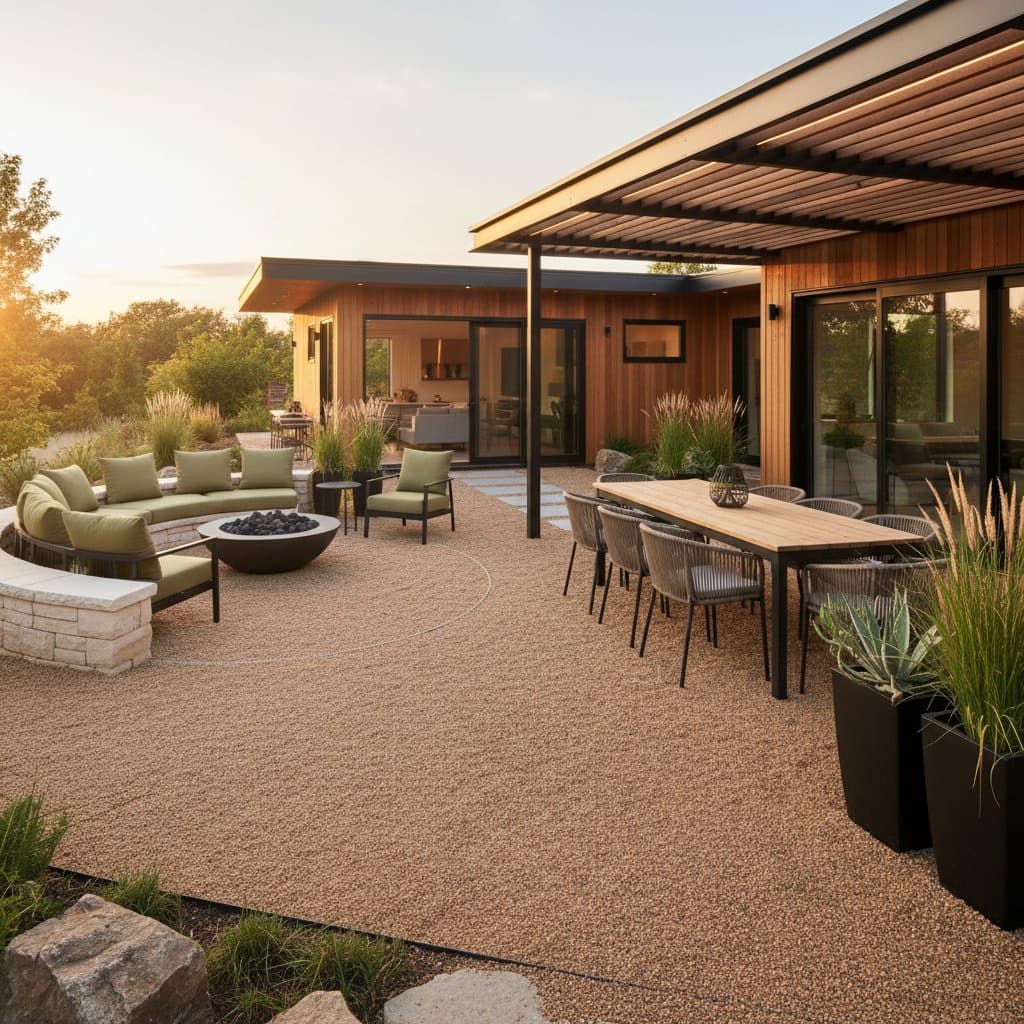
Why Gravel Patios Lead 2025 Budget-Friendly Outdoor Trends
A well-designed patio transforms a standard backyard into a versatile space for relaxation, dining, and gatherings. Many homeowners face the challenge of balancing cost, durability, and visual appeal in their outdoor projects. Gravel patios stand out as a practical solution for modern landscapes. Their rising popularity reflects the need for affordable, eco-conscious upgrades that maintain style and function.
Gravel patios offer unmatched versatility and longevity. They adapt to different yard sizes, architectural styles, and budgets. Whether planning a complete backyard renovation or a simple refresh, gravel provides a cost-effective path to creating elegant, relaxed outdoor areas.
Design Flexibility and Style Options
Gravel patios blend seamlessly into a range of design aesthetics, from sleek modern homes to cozy coastal cottages. Landscape experts in California value their natural textures and understated elegance.
Texture and Color Choices
Gravel comes in diverse textures and colors, far from a one-size-fits-all material. Choices include the soft amber tones of decomposed granite or the cool grays of crushed limestone. Each type brings distinct tactile and visual qualities. For stable, walkable surfaces, choose fine decomposed granite that compacts into a smooth base. Coarser gravel creates a more rustic, natural feel. Mixing sizes adds depth and improves drainage by allowing water to percolate through.
Shaping and Bordering Techniques
Gravel allows easy molding and edging, supporting creative layouts that rigid materials cannot achieve. Create curving paths, irregular seating zones, or smooth transitions to garden beds. Use metal or stone borders to define edges and prevent shifting. These steps result in a defined yet integrated landscape that feels intentional and cohesive.
Pairing with Complementary Materials
Gravel works well alongside wood decks, stone borders, or concrete slabs. Professionals use it to soften hard surfaces or divide functional areas. Surround a concrete dining table with gravel for contrast, edge a fire feature, or place large pavers within a gravel field. Such pairings add character and prevent a monotonous look.
Sustainability and Eco-Friendly Benefits
Gravel patios support sustainable practices without sacrificing performance. They use natural materials that require minimal processing and reduce water demands.
Superior Water Management
Unlike lawns or thirsty ground covers, gravel patios need no irrigation. This feature shines in dry regions. Combine them with drought-tolerant native plants that thrive on minimal water to build a cohesive, efficient landscape.
Lower Environmental Impact
Gravel production consumes far less energy than concrete or quarried stone. Source materials from local suppliers to reduce transportation emissions. Opt for decomposed granite from nearby quarries or recycled aggregates to support community efforts and ease environmental pressure.
Durability and Adaptability Over Time
Gravel patios age gracefully, adapting to changing needs instead of breaking down. Rearrange layouts or add fresh layers as desired. Reuse the material in other garden areas. This flexibility makes gravel a smart, long-term investment in landscaping.
Current Trends in Gravel Patio Design
Gravel patios align with today's preferences for natural textures, fluid shapes, and sustainable elements.
The Appeal of Decomposed Granite
Decomposed granite thrives in California landscapes. Its fine particles create a unified surface that looks polished yet organic. It integrates with native plants and dry gardens. Warm beige or reddish tones pair with adobe-style homes and Mediterranean vibes, while gray shades suit modern or beach-inspired settings.
Hybrid Surface Designs
Modern projects combine gravel with concrete slabs or large tiles. Gravel fills the gaps, adding pattern and breathability. This approach works well in small spaces, where varied textures make the area feel larger and more dynamic.
Creating Fire and Lounge Areas
Gravel handles heat well, making it ideal around fire pits or chimineas. It provides a safe, level base for seating in a welcoming setup. Add weather-resistant furniture and soft lighting to extend use into evenings and cooler months.
Incorporating Plants Directly
Incorporate greenery into the gravel itself for a seamless look. Weave in trailing vines, succulents, or ornamental grasses to break up the surface and soften edges. This technique connects hardscape to planting beds, evoking natural desert or meadow environments.
Durability and Enduring Value
Gravel patios deliver more than upfront savings; they hold up for years with proper setup. A solid base ensures stability, and minor settling requires only simple redistribution rather than replacement.
Their style evolves without losing appeal. Over time, gravel develops a patina that highlights its organic beauty. It resists weather extremes and heavy use without cracking or fading, outperforming brittle options. For landscapes that grow with you, gravel offers reliable, timeless performance.
Practical Maintenance and Upgrades
Once installed, gravel patios support flexible use. Rearrange furniture, add container gardens, or expand the area with little effort. The satisfying crunch underfoot connects users to nature in a way smooth surfaces cannot.
Keep the surface fresh by raking weekly to even it out and remove debris. Pull weeds by hand or use natural herbicides to control growth. Every few years, add a thin layer of new gravel to refresh color and texture. These simple habits maintain a vibrant space for daily enjoyment and special occasions.