
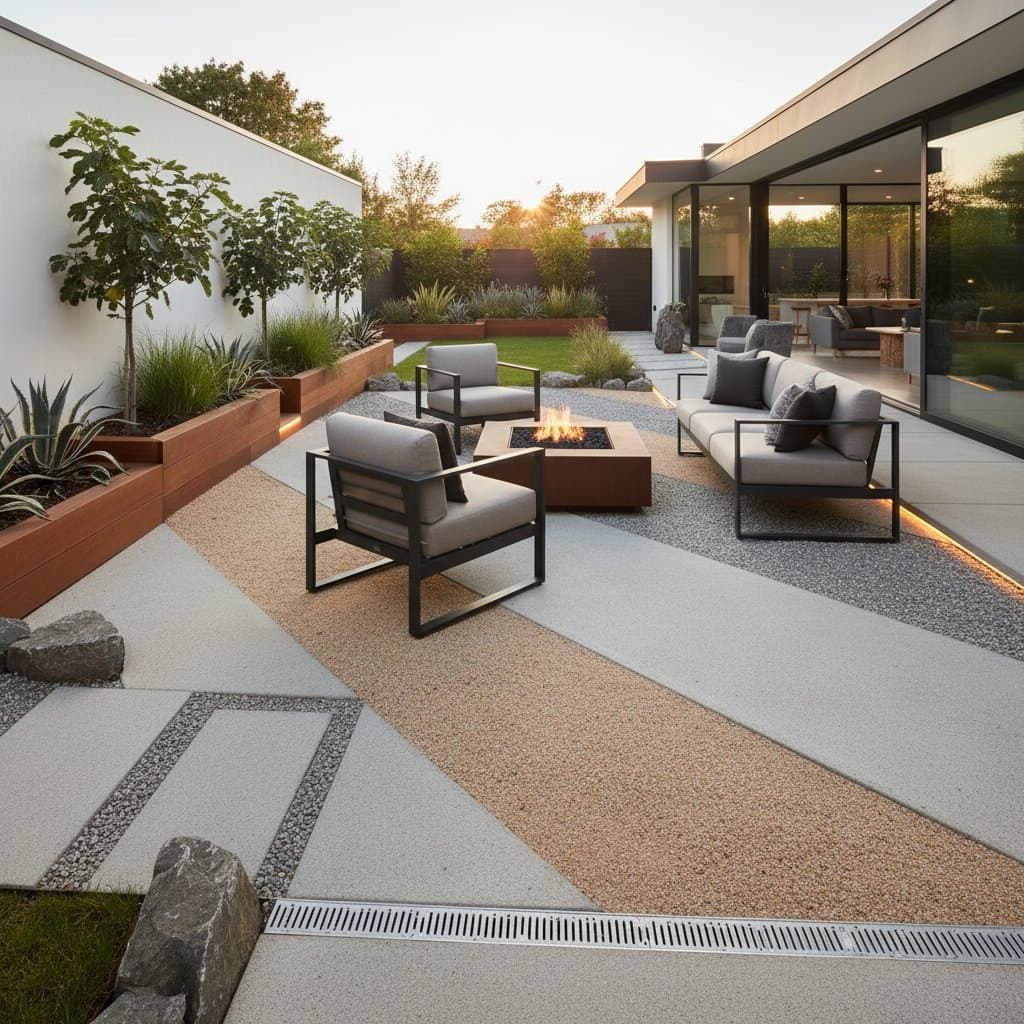
Why Gravel Patios Dominate 2026 Outdoor Living Trends
Gravel patios have evolved beyond simple rustic surfaces. These versatile spaces now serve as the foundation for contemporary outdoor environments, offering a blend of tactile appeal, adaptability, and minimal upkeep. Suitable for compact urban yards or expansive rural settings, a gravel patio fosters casual entertaining and requires little effort to maintain. The material provides an earthy foundation that complements sleek furnishings and vibrant greenery, creating an enduring outdoor haven.
At a Glance
Location: Suitable for diverse climates and terrains
Surface Type: Crushed stone, pea gravel, or decomposed granite
Best For: Effortless maintenance, superior drainage, and customizable layouts
Project Goal: Develop a functional, stylish patio that integrates natural elements with practical design
1. Prepare a Solid Base for Stability
A well-prepared base forms the cornerstone of any successful gravel patio. Begin by excavating the area to a depth of four to six inches, removing roots, rocks, and debris to create a level foundation. Layer in a geotextile fabric to suppress weeds, followed by two inches of compacted gravel or crushed stone for drainage and support. Top with finer gravel to achieve the desired surface texture.
Functional benefit: This layered approach ensures even weight distribution and prevents settling over time.
Design insight: Select base materials that match the local soil type; for clay-heavy areas, incorporate sand to enhance permeability.
Example: Landscape professionals recommend testing compaction with a plate compactor to verify stability before adding the final gravel layer.
Visual callout: Compacted layers beneath pea gravel provide a firm, weed-resistant foundation.
2. Define Edges for Structure
Clear boundaries transform a gravel area into a defined patio. Install edging materials to contain the loose stones and maintain a neat appearance. Options include steel strips for durability, plastic lumber for flexibility, or brick for a classic touch.
Functional benefit: Edging prevents gravel migration into adjacent lawns or beds, prolonging the patio's tidy condition.
Design insight: Opt for powder-coated steel in neutral tones to complement minimalist designs, or reclaimed wood for organic warmth.
Example: Designers often advise aligning edging with the home's architectural lines to create visual continuity.
Visual callout: Sleek metal borders frame a gravel expanse, offering clean lines against soft landscaping.
3. Incorporate Lighting for Evening Appeal
Strategic lighting extends the usability of gravel patios into the night. Embed low-voltage LED path lights along edges or suspend string lights overhead to highlight textures and create ambiance. Solar-powered options reduce energy needs while illuminating key features like seating areas.
Functional benefit: Well-placed lights improve safety on uneven surfaces and define pathways during gatherings.
Design insight: Choose warm-toned bulbs to enhance the gravel's natural hues, avoiding harsh whites that can wash out the space.
Example: A designer might suggest clustering uplights around focal plants to cast dramatic shadows on the stone surface.
Visual callout: Subtle path lighting traces the gravel contours, inviting evening relaxation.
4. Mix Gravel with Hard Surfaces
Integrating gravel with solid elements adds depth and functionality to the patio. Lay pavers, flagstone, or concrete slabs within the gravel field to form walkways, seating platforms, or fire pit bases. This combination balances softness with stability.
Functional benefit: Hard surfaces provide firm footing in high-use zones, while gravel fills gaps for a cohesive look.
Design insight: Coordinate colors carefully; pair cool gray gravel with slate pavers for a serene effect or warm aggregates with terracotta tiles for vibrancy.
Example: In urban designs, irregular stone slabs set into fine gravel mimic natural riverbeds, promoting a tranquil flow.
Visual callout: Interlocking pavers in a sea of crushed stone direct movement and add textural variety.
5. Select Gravel Types for Aesthetic and Practical Fit
Choosing the right gravel variety influences both appearance and performance. Pea gravel offers rounded, smooth stones ideal for barefoot walking, while crushed granite provides angular pieces for better stability. Consider size, from fine dust to one-inch pebbles, based on traffic levels and visual goals.
Functional benefit: Angular gravels interlock to reduce shifting, whereas rounded types allow easier raking and redistribution.
Design insight: Lighter colors like white quartz brighten shaded patios, while darker basalt gravel suits sunny exposures to minimize heat retention.
Example: Professionals note that decomposed granite compacts into a firm yet permeable surface, perfect for Mediterranean-style gardens.
Visual callout: Rounded pea gravel creates a playful, inviting texture underfoot.
6. Add Green Contrast with Planting
Greenery introduces life and softness to the starkness of gravel. Plant groundcovers, perennials, or ornamental grasses in pockets along borders or between pavers to weave organic elements into the hardscape.
Functional benefit: Roots from select plants bind the soil, reducing erosion and stabilizing the gravel edges.
Design insight: Prioritize low-water species like lavender, creeping thyme, or ornamental grasses that tolerate poor soil and full sun.
Example: Designers emphasize spacing plants to allow gravel visibility while creating layered interest through height variations.
Visual callout: Tufts of sedum and fescue soften gravel edges, blending stone with verdant accents.
7. Enhance with Furniture and Accessories
Furnish the patio to encourage use and define its purpose. Position weather-resistant tables, chairs, and loungers on compacted gravel zones, anchoring them with rugs designed for outdoor durability. Add umbrellas or pergolas for shade and privacy.
Functional benefit: Proper placement prevents furniture from sinking, ensuring comfort and longevity.
Design insight: Select pieces with wide bases or gravel-specific feet to distribute weight evenly across the surface.
Example: A contractor might recommend modular seating that rearranges easily, adapting to different group sizes or activities.
Visual callout: Sturdy teak benches rest securely on gravel, framed by potted evergreens.
8. Plan for Drainage and Comfort
Effective water management keeps gravel patios dry and enjoyable. Design the surface with a one to two percent slope away from structures, using permeable underlayment to facilitate infiltration.
Functional benefit: This setup channels rainwater efficiently, avoiding puddles that could disrupt use after precipitation.
Design insight: Integrate French drains or gravel trenches around the perimeter for heavy rainfall areas.
Example: Experts advise crown grading in flat sites to direct flow toward planting beds, nourishing nearby vegetation.
Visual callout: Subtle slopes and fabric barriers maintain a dry, walkable surface post-rain.
9. Integrate Sustainable Practices
Emphasize eco-friendly choices to align with 2026 trends in outdoor design. Source locally quarried gravel to cut transport emissions, and incorporate recycled edging or permeable pavers to support biodiversity.
Functional benefit: Sustainable materials reduce environmental impact while enhancing site resilience to climate changes.
Design insight: Pair gravel with native plants to foster pollinator habitats and minimize irrigation demands.
Example: Designers highlight using permeable systems to recharge groundwater, benefiting local ecosystems.
Visual callout: Native wildflowers amid gravel promote sustainability and natural beauty.
10. Keep Maintenance Simple
Routine care preserves the patio's appeal with minimal effort. Rake the surface periodically to even out stones, and inspect edging for stability. Replenish gravel as needed to maintain depth and vibrancy.
Functional benefit: These steps prevent weed intrusion and surface degradation, keeping the space welcoming year-round.
Design insight: Schedule annual top-ups in spring, matching new material to the existing for uniform color.
Example: A landscape contractor might say: “Gravel patios thrive on light touch. Regular attention yields a space that improves with age.”
Visual callout: Fresh gravel topping restores even texture and color depth.
Embracing Evolution in Your Outdoor Space
Gravel patios develop character over time, adapting to seasonal changes and user needs. As plants mature and weather patinas the stones, the area gains authentic depth. This adaptability allows for easy updates, such as expanding zones or refreshing plantings, without major overhauls.
Functional benefit: The forgiving nature minimizes costly repairs, supporting long-term enjoyment.
Design insight: Embrace subtle shifts; they contribute to a lived-in quality that rigid surfaces lack.
Example: Homeowners often expand gravel paths to connect new garden features, maintaining design harmony.
A designer might say: “Gravel offers boundless potential. It evolves alongside your lifestyle, always ready for the next chapter.”
Steps to Build Your Gravel Patio
Start by measuring your space and sketching a layout that incorporates seating, pathways, and plant zones. Gather tools like a shovel, compactor, and level, then proceed through base preparation to finishing touches. Consult local guidelines for drainage and material sourcing to ensure compliance and success. With these steps, your gravel patio will become a standout feature in 2026 outdoor living.