
Why Homeowners Are Ditching Grass for Clover Lawns
When Alex and Dana moved into their suburban home, they loved the tree lined street but not the patchy grass lawn that came with it. The lawn demanded constant watering, fertilizing, and mowing. Yet it never looked lush for long. They wanted a yard that looked good and felt good to maintain.
The solution came in the form of a small leaf clover ground cover that changed their outdoor routine completely.
A New Kind of Green
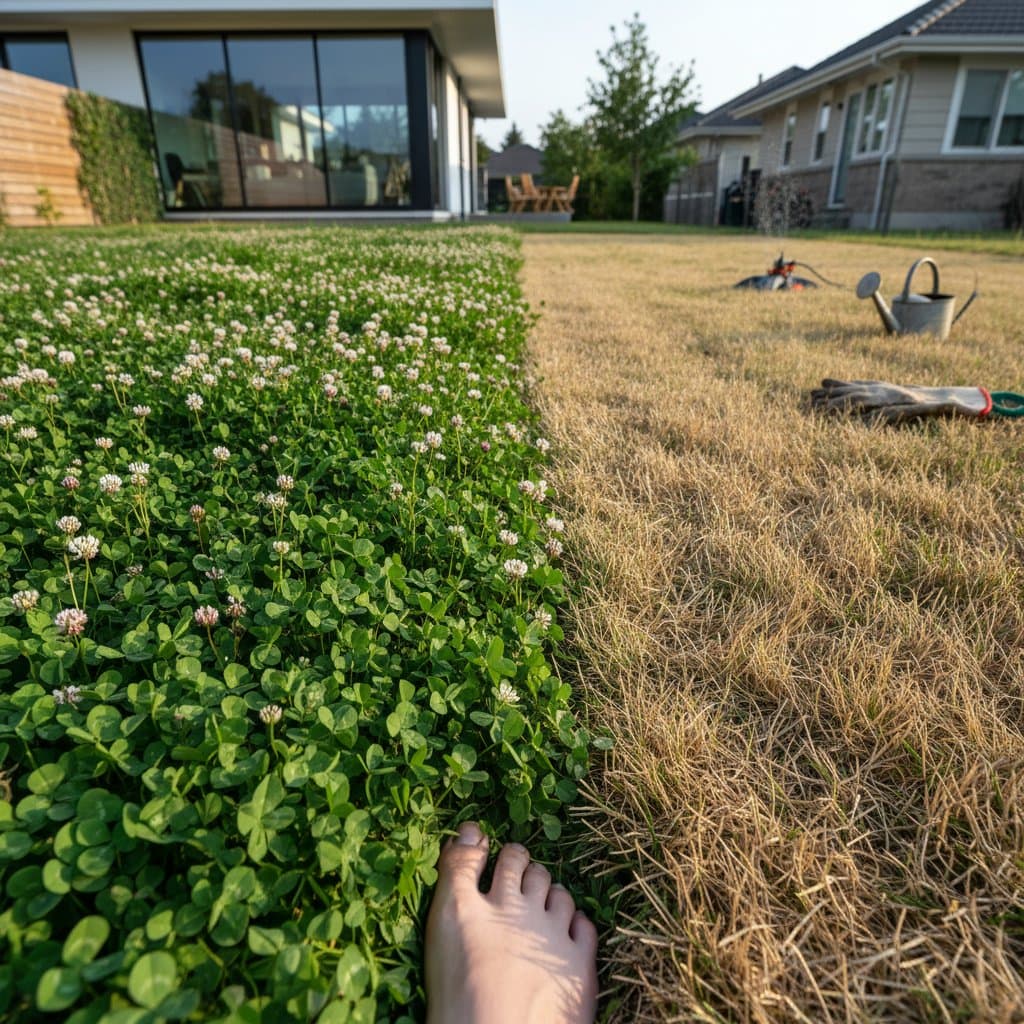
Clover lawns are quickly becoming the go to alternative for homeowners who want a more natural, eco conscious yard. The visual effect is soft and inviting. It features a fine texture that feels comfortable underfoot. Clover stays green through dry spells, needs less mowing, and supports pollinators like bees and butterflies.
For Alex and Dana, the appeal was both practical and aesthetic. "We wanted something that felt alive without all the upkeep," Dana said. "The clover gives us that fresh green look, and it is always buzzing with life."
Why Clover Works So Well
Clover natural qualities give it several advantages over traditional turf grass. It fixes nitrogen in the soil. That means it produces its own fertilizer. This reduces the need for added nutrients and keeps the lawn naturally rich. Clover also tolerates foot traffic, recovers quickly from wear, and stays low enough that mowing is optional.
Key functional benefits include:
- Self fertilizing: Clover enriches the soil by adding nitrogen. This keeps grass and nearby plants healthy.
- Drought tolerance: Deep roots help it stay green even in dry weather.
- Low mowing needs: Microclover grows to about four inches before naturally stopping.
- Pest resistance: Clover is less prone to many common lawn pests.
- Eco value: It supports pollinators and reduces chemical runoff.
Landscape designer Erin Blake from Greenfield Studio said, "Clover lawns shift the balance between beauty and responsibility. They look good and work hard at the same time."
Design Choices That Matter
The visual design of a clover lawn depends on more than the plant species. The shape of the lawn, the edges, and how it meets paths or garden beds all determine how natural the space feels. In this project, curved borders replaced the former rectangular outline. The team used recycled brick edging to define transitions between the clover field and perennial beds planted with lavender, allium, and ornamental grasses.
That subtle structure prevents the lawn from blending too much into the planting zones while keeping the overall look soft and organic. The bricks also act as a barrier that helps contain the clover spread. This is an important detail for long term maintenance.
A narrow gravel path leads from the patio to a small seating area shaded by a Japanese maple. The coarse texture of the gravel contrasts beautifully with the fine clover leaves. "We wanted the materials to feel honest," Blake said. "You can see the difference between what is planted and what is built, but they still feel connected."
Practical Maintenance Tips
Clover lawns are forgiving, but they still benefit from basic care. The designer recommended mowing once or twice a season to keep the growth even and discourage flowering if desired. A single deep watering every week or two during dry spells helps maintain color. Many homeowners find the lawn survives fine on rainfall alone.
Weed management is minimal since clover outcompetes most invaders. If needed, selective hand weeding or spot reseeding can maintain density. The homeowners use a manual reel mower and a lightweight hose. This keeps their entire lawn routine under twenty minutes per week.
Living with a Clover Lawn
The shift to a clover surface changed how the couple uses their yard. Their dogs roll in it without leaving marks. The soft texture stays cool even under direct sun. They host friends barefoot on summer evenings without worrying about mud or dry patches.
The space feels more alive now. Bees drift from flower to flower. The light hum of insects gives the yard a calm rhythm. The couple noticed they spend more time sitting outside because the space feels less like a chore and more like a retreat.
Making the Transition
Switching from grass to clover is not just about saving water or skipping fertilizer. It is about creating a yard that fits a more sustainable lifestyle. The process is straightforward. The results last for years with little intervention. Homeowners can start small by overseeding sections of their existing lawn or commit to a full replacement.
Clover lawns invite a different relationship with outdoor space. They turn maintenance into stewardship. This replaces the cycle of mowing and watering with observation and care. As more homeowners make the switch, the traditional green carpet is giving way to something richer, softer, and far more rewarding.