
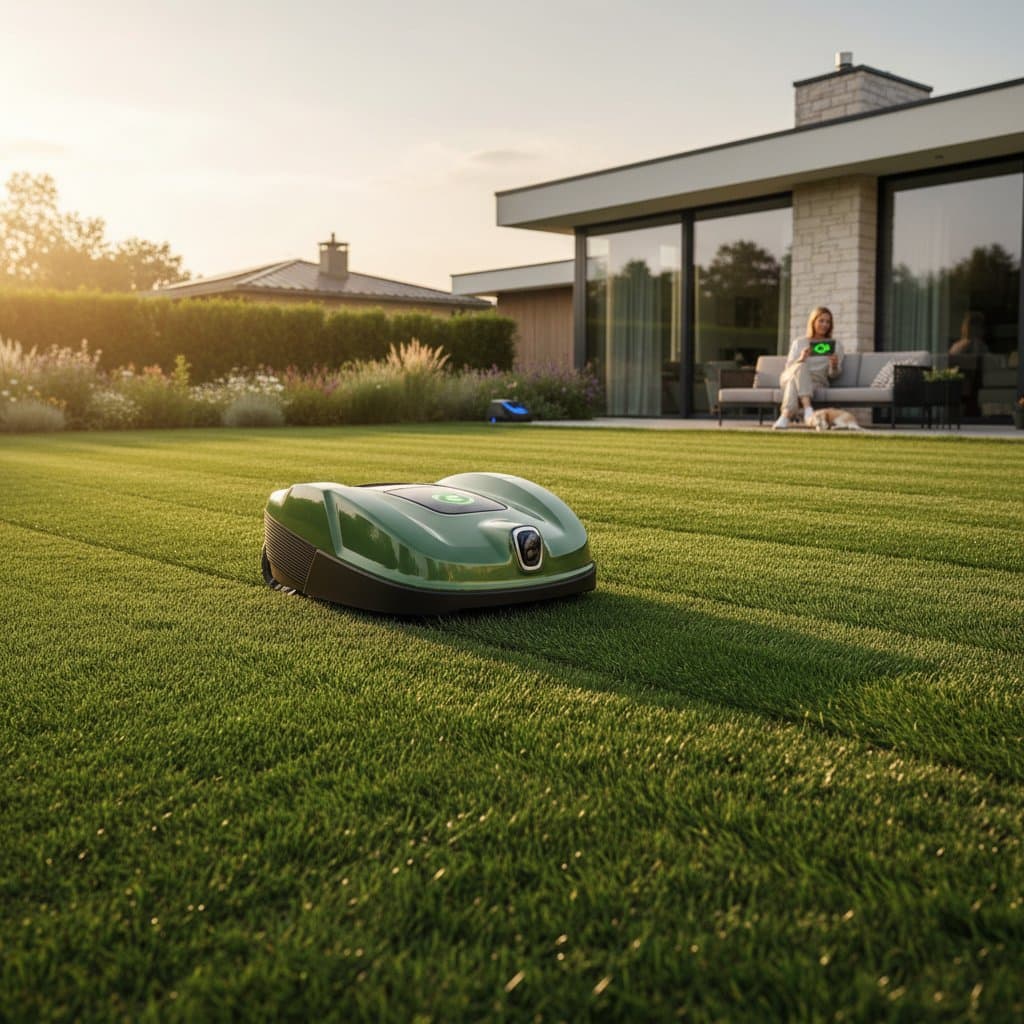
Why 60% of Homeowners Are Switching to Robotic Mowers
A well-kept lawn adds calm and order to an outdoor space. Yet mowing can easily become the weekend chore everyone avoids. More homeowners are turning to robotic mowers to reclaim their time and maintain a consistently polished yard. The growing interest in these automated helpers reflects more than a passing technology trend.
It shows a shift toward smarter, more sustainable yard care that fits modern lifestyles.
The Appeal of Effortless Lawn Care
The main reason people switch to robotic mowers is simple convenience. Once programmed, these machines handle routine mowing on their own. They follow boundaries set by perimeter wires or digital mapping and trim only a small amount of grass at a time. This frequent mowing keeps the lawn even and healthy without creating messy clippings or requiring heavy labor.
Busy professionals appreciate how robotic mowers quietly maintain the yard while they focus on work or family. Retirees enjoy the freedom from pushing a heavy mower under the sun. Even garden enthusiasts who love hands-on projects find value in letting automation handle repetitive tasks so they can focus on design, planting, and seasonal care.
Smarter Technology, Healthier Lawns
Today robotic mowers are far more advanced than early models. Many use GPS navigation, rain sensors, and adaptive cutting patterns that adjust to grass growth. Some models can even be controlled through mobile apps. Homeowners can monitor mowing progress or schedule runs from anywhere.
This precision benefits the lawn itself. By cutting frequently and leaving fine clippings behind, robotic mowers return nutrients to the soil and support thicker, greener growth. The result is a lawn that looks freshly trimmed almost every day, without fertilizer buildup or patchy sections. In areas with water restrictions, this balanced growth also helps grass retain moisture longer, reducing the need for constant irrigation.
Quiet, Clean, and Sustainable
Electric operation is another reason robotic mowers are gaining popularity. They run quietly, often below normal conversation volume, and emit no direct exhaust. This makes them ideal for early morning or evening use, and for neighborhoods where noise restrictions apply. With rechargeable batteries and efficient motors, many models use less energy than traditional gas mowers over a full season.
From an environmental perspective, reducing small-engine emissions contributes to cleaner air. For homeowners who have already invested in solar panels or other green upgrades, a robotic mower fits naturally into a sustainable household system.
Cost, Maintenance, and Long-Term Value
While the upfront price of a robotic mower can be higher than a standard push or ride-on model, the long-term savings are considerable. There is no gasoline to buy, no oil to change, and far fewer moving parts that wear out. Routine maintenance usually involves cleaning the underside, replacing blades periodically, and checking the perimeter wire if one is used.
Professional installation can add cost, but it ensures accurate setup and optimal coverage. Many homeowners choose to handle basic programming themselves once they see how intuitive the controls are. Over time, the reduced maintenance and consistent results justify the investment.
Daily Maintenance Benefits
Adopting a robotic mower changes the rhythm of yard care. Instead of one long mowing session each week, the machine trims a little each day, keeping the grass at a steady height. Homeowners quickly notice how much quieter and cleaner the process feels. The lawn stays inviting, and weekends open up for more enjoyable projects, like tending raised beds or experimenting with drought-tolerant landscaping.
For anyone seeking a balance between technology, comfort, and outdoor beauty, robotic mowers offer a practical solution. They deliver consistent results, promote healthier lawns, and give back valuable time. With thoughtful setup and occasional maintenance, they prove that the future of lawn care can be both smart and serene.